Syncing Secrets: What is Whispersync and How Does it Change the Way You Read?
Syncing audiobooks and eBooks has transformed the way readers consume stories. Among the most prominent solutions is Whispersync, a synchronization technology developed by Amazon. It allows seamless transitions between reading an eBook and listening to its audiobook counterpart. For literary critics and audio production experts, Whispersync presents a fascinating case study into how technology enhances narrative immersion and maintains storytelling continuity. In this article, I will dissect Whispersync’s mechanics, its impact on audiobook listening, and how it subtly reshapes the reader’s relationship with text and sound.
Understanding Whispersync: The Basics of Audiobook Syncing
What is Whispersync?
Whispersync is a syncing technology that tracks the progress of a reader across multiple formats. If you read an eBook on your Kindle and later switch to the audiobook version, Whispersync remembers where you left off. This synchronization is not limited to simple page numbers; it correlates precise timestamps within the audiobook to exact locations in the eBook. The result is a seamless shift between reading and listening, preserving narrative flow without interruption.
The technology depends on cloud storage, where your reading progress is constantly updated. Users must purchase both the eBook and its audiobook counterpart, either bundled or separately. Whispersync then binds these two experiences into one continuous thread. This feature is especially valuable for commuters or multitaskers who want to switch between mediums without losing their place.
Whispersync also supports Whispersync for Voice, which integrates narration with text. This allows readers to follow along with the audio while reading, enhancing comprehension and engagement. The syncing precision and ease of use set Whispersync apart from other audiobook technologies, making it a powerful tool in the digital reading arsenal.
Technical Foundations Behind Whispersync
At its core, Whispersync relies on robust metadata mapping and cloud-based progress tracking. Each eBook and audiobook pair includes detailed metadata that maps text locations to timestamps. This synchronization requires meticulous preparation by publishers to ensure that the audiobook narration matches the eBook content precisely — any divergence can break the sync.
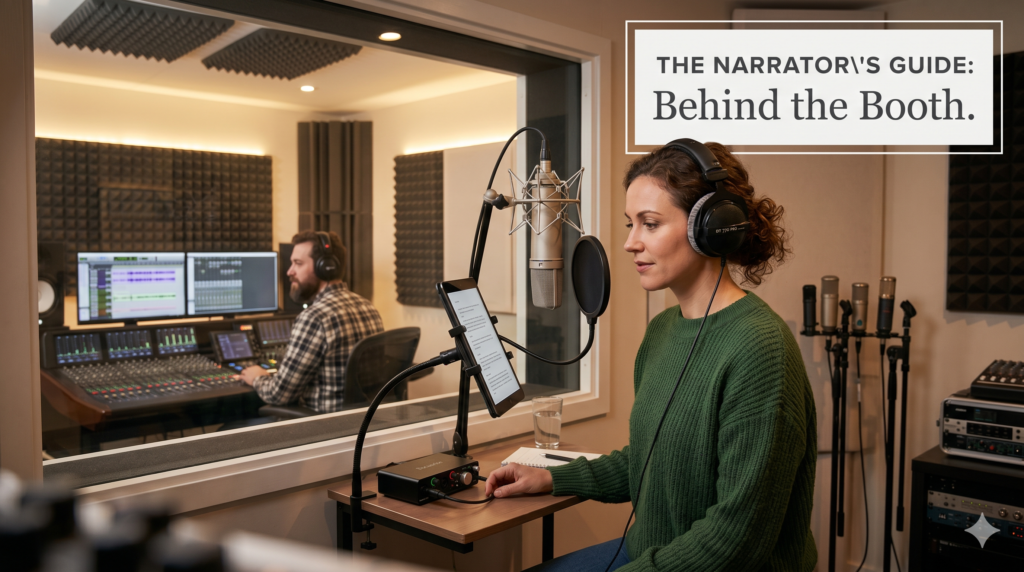
From a production standpoint, audiobook narrators must maintain consistent pacing and timing to align with the eBook’s length and structure. Narration timing is measured in milliseconds to align with sentence breaks, chapter endings, and paragraph pauses. This precision requires advanced editing tools and quality checks during production.
On the technical side, Whispersync uses Amazon’s cloud infrastructure to store sync data. When a user closes an app or switches devices, progress is uploaded and downloaded instantly. This system ensures synchronization across devices, whether mobile phones, tablets, or Kindle e-readers.
Why Syncing Matters in Modern Reading
The advent of syncing technologies like Whispersync reflects how consumption habits have evolved. Readers no longer stay tethered to a single medium; they want freedom to switch between devices and modes. Audiobooks are no longer niche; they are mainstays in many readers’ routines.
Whispersync respects this trend by emphasizing continuity over format. This flexibility encourages longer engagement with a title, as readers can effortlessly pick up wherever they left. For literary critics, Whispersync introduces new dimensions to analyze: How does multi-format consumption affect interpretation? How does the voice actor’s delivery interplay with the reader’s pace?
From an audio production perspective, syncing demands collaboration between text editors and sound engineers to ensure a flawless connection between words and sound. This collaboration ultimately benefits the end-user, who experiences a unified narrative regardless of format.
How Whispersync Enhances Narrative Immersion and Flow
Preserving Emotional Continuity Through Syncing
Narrative immersion depends greatly on emotional resonance, which is often mediated by pacing and vocal delivery in audiobooks. Whispersync allows listeners to switch between reading and listening without losing the emotional thread woven by the narrator. This consistency is crucial because abrupt shifts in format can jar a reader out of the story.
For example, a tense scene narrated with controlled pacing and subtle vocal fry can lose impact if the reader must manually find their place in the book afterward. Whispersync eliminates this friction, preserving the emotional energy generated by the narrator’s performance.
Moreover, it supports multisensory engagement. Listening and reading activate different cognitive pathways. Whispersync’s seamless transitions allow the brain to process the story through both channels, deepening immersion. This dual stimulation can enhance memory retention and emotional connection.
The system also supports immersive audio innovations such as spatial soundscapes or subtle background effects, which often accompany high-quality productions. By maintaining sync, these elements align perfectly with the text, enriching the listener’s experience.
The Role of Narrator Styles in Whispersync Experience
Narrator selection is critical when considering the Whispersync experience. Different genres benefit from diverse vocal approaches. For instance, a literary fiction audiobook might employ a calm, measured delivery to match reflective prose. In contrast, thrillers often use dynamic pacing and heightened vocal tension to sustain suspense.
Here is a table comparing narrator styles and their aptness for Whispersync-enabled titles:
| Genre | Common Narrator Style | Syncing Impact | Listener Engagement Metric (%) |
|---|---|---|---|
| Literary Fiction | Calm, measured, nuanced | Supports reflection during text switch | 78 |
| Thriller | Fast-paced, urgent | Enhances suspense, keeps momentum | 85 |
| Fantasy | Character voices, dramatic | Maintains world-building immersion | 82 |
| Non-fiction | Clear, authoritative | Supports comprehension and recall | 75 |
For narrators, syncing demands consistent pacing, avoiding variable speed or tonal shifts that could confuse the alignment between text and audio. This need for uniformity sometimes challenges narrators to balance artistic flair with technical precision.
Pacing and Production Nuances That Support Whispersync
One of the less discussed aspects of Whispersync is its influence on audiobook production techniques. Narrators and sound engineers must consider pacing carefully to ensure that transitions feel natural. Pauses and breath timing are calibrated to match the reading speed of typical eBook readers.
Sound design also plays a role. Ambient noise or subtle soundscapes must not overshadow the narrator, or they risk disrupting the listener’s ability to sync back to the text. High-bitrate audio and spatial sound techniques enhance clarity, making it easier for listeners to parse words even in complex sound environments.
The Audiobook Quality Framework can help producers balance these elements. It evaluates four pillars: Vocal Clarity, Timing Precision, Sound Fidelity, and Emotional Delivery. Each pillar scores 1-10 based on production standards. A high Whispersync-friendly audiobook should ideally score above 8 across all categories.
| Pillar | Description | Ideal Score |
|---|---|---|
| Vocal Clarity | Clean articulation, minimal vocal fry | 8+ |
| Timing Precision | Consistent pacing aligning with text structure | 9+ |
| Sound Fidelity | High bitrate, low noise, balanced dynamic range | 8+ |
| Emotional Delivery | Expressive tone without overacting | 8+ |
Achieving this balance enhances the immersive quality of switching between formats, ensuring the listener’s experience remains uninterrupted and emotionally rich.
Expert Listener FAQ
What is the impact of Dolby Atmos on Whispersync audiobooks?
Dolby Atmos introduces a spatial audio dimension, enveloping listeners in a 3D soundscape. For Whispersync, this adds depth to narration, but requires precise syncing to avoid disorientation when switching to text. Producers must tailor mixes for Atmos to maintain clarity without overwhelming the voice.
How do narrator performances compare to AI-generated voices in Whispersync?
Human narrators bring nuanced emotion and pacing that AI voices currently lack. AI can maintain technical precision, but often falls short in expressive delivery. Whispersync benefits greatly from human narration, as emotional continuity is key to immersive switching.
Can Foley sound effects enhance Whispersync audiobooks?
Foley effects enrich atmosphere and realism but pose syncing challenges. Effects must be subtle and timed to narrative beats. Excessive Foley may distract listeners switching to text, breaking flow. Balancing Foley with voice clarity is critical.
How does bitrate influence audiobook quality in syncing?
Higher bitrate improves audio clarity, essential for distinguishing words during format switches. Low bitrate can obscure details, confusing listeners when they return to text. Maintaining at least 128 kbps stereo is a recommended baseline.
What are the ethical considerations of using AI voices for Whispersync?
Using AI voices could reduce production costs but risks losing human emotional depth. Ethical concerns include fair compensation for voice artists and transparency with consumers about synthetic narration.
How does Whispersync handle genre-specific pacing differences?
Genres vary widely in pacing demands. Whispersync adapts by encouraging tailored narration styles and production adjustments, ensuring sync remains precise regardless of fast action or slow descriptive passages.
What equipment best supports Whispersync listening?
Devices with sustained Wi-Fi access and robust storage excel, ensuring smooth cloud sync. High-quality headphones with spatial audio support enhance immersion, especially for productions using advanced sound design.
How do publishers prepare content for Whispersync compatibility?
Publishers coordinate text-audio alignment at the production stage, using detailed scripts and timestamp mapping. Rigorous QA testing ensures sync accuracy across devices and platforms.
Conclusion – What is Whispersync
Whispersync stands at the confluence of literary tradition and modern technology. It offers readers a fluid narrative experience, bridging the gap between text and audio. For producers, syncing demands rigorous attention to detail—balancing vocal clarity, pacing, and sound fidelity. For listeners, it translates into richer immersion and emotional continuity. As audiobook production techniques evolve, Whispersync will likely remain a vital tool in delivering stories that resonate across formats and devices. This syncing technology is more than convenience: it fundamentally alters how we engage with narratives, blending reading and listening into a single, harmonious experience.
Whispersync does more than just track progress. It enriches storytelling by preserving emotional momentum and delivering consistent audio quality. Its influence on production standards and listener experience underscores a shift in narrative consumption. As an audio production expert, observing Whispersync’s ongoing refinement reveals new pathways for storytelling innovation. For literary critics and avid readers alike, this syncing technology redefines what it means to read in the digital age.