The AI Crossroads: The Ethics of AI Narration: Can Silicon Ever Replace Human Magic?
The rise of artificial intelligence in audiobook narration invites a crucial question: can silicon truly capture the intangible magic of human storytelling? As an audiobook producer and literary critic, I have witnessed how voice artistry shapes listener immersion. The nuanced breath, the pacing adjustments, the emotional color—these elements define how a narrative resonates. But AI narration promises efficiency and consistency. In this article, I explore the ethical boundaries of AI in narration and examine how human emotion remains the heart of audiobook magic.
Exploring the Ethical Boundaries of AI in Narration
The Moral Implications of Automated Storytelling
AI narration presents a profound ethical dilemma: is it right to replace human narrators with machines that mimic voice without genuine feeling? Narration is not merely a vocal reproduction of text; it is an act of interpretation. The human narrator’s choices—pauses, emphasis, tonal shifts—reflect empathy and artistic intention. When AI narrates, it lacks that moral agency. This raises concerns about the authenticity of storytelling and the reduction of narrative art to algorithmic output.
Furthermore, the audiobook industry faces questions about labor and creative ownership. Narrators often build careers on their unique vocal identities. AI-generated voices may appropriate these styles without consent or compensation. This leads to an ethical debate about intellectual property rights and the commodification of voice. If a synthetic voice borrows heavily from a human narrator’s style, it risks erasing the original artist’s contribution.
On a broader scale, reliance on AI narration could impoverish the diversity of voices in audio literature. Human narrators bring personal and cultural nuances that machines cannot replicate. This loss could affect how stories connect with varied audiences. Ethical stewardship demands that the audiobook community consider how to balance innovation with respect for human creativity and diversity.
Transparency and Listener Consent
Integral to the ethical conversation is transparency. Listeners have the right to know whether a narration is human or machine-produced. This awareness shapes expectations and informs the listening experience. Without clear disclosure, an audience might feel deceived or disconnected from the content. Transparency upholds trust between producers and listeners, reinforcing the value of authenticity.
Moreover, informed consent allows consumers to make choices aligned with their values. Some listeners may accept AI narration for convenience, while others prefer the emotional gravity of human narration. By labeling narrations clearly, producers respect listener autonomy and preferences. This practice also encourages a marketplace that values quality and ethical standards.
From a production standpoint, transparency extends to the technical realm. Sharing information about the audio fidelity, voice modeling techniques, and potential limitations of AI narrations helps listeners appreciate the craft behind the voice. It also opens dialogue about how emerging technologies fit within the broader storytelling ecosystem.
The Responsibility of Producers and Platforms
Producers and audiobook platforms hold significant responsibility in navigating the AI narration crossroads. They must develop ethical guidelines that protect narrators’ rights and maintain artistic integrity. This includes policies on voice synthesis, licensing, and fair remuneration for human narrators when synthetic voices are derived from their performances.
Additionally, platforms should implement quality standards that assess narrative immersion and emotional impact. AI narration technology often prioritizes clarity over artistry, which can hinder listener engagement. Producers can use frameworks like The Narrative Immersion Scale to evaluate how well a narration captures emotional depth and pacing nuances.
Integrating AI narration should not mean lowering production values. Instead, it offers an opportunity to innovate while honoring the core storytelling values. Platforms can foster collaborations between human narrators and AI technologies, using synthetic voices for drafts or multilingual versions while preserving human artistry in primary editions.
How Human Emotion Shapes Audiobook Storytelling Magic
The Unique Qualities of Human Narration
Human narration carries a depth that machines cannot yet emulate. Subtle cues such as vocal fry, breath intakes, and fluctuating pitch create a living soundscape that envelops the listener. These nuances communicate emotional subtext beyond the words themselves. A skilled narrator can convey irony, sorrow, joy, or tension through deliberate pacing and tone variation, enhancing the story’s texture.
Moreover, human narrators respond instinctively to the text’s rhythm and character development. Their performances often include improvisation or slight alterations that make each version unique. This spontaneity adds a layer of unpredictability and intimacy. Listeners often describe feeling a personal connection to the narrator’s voice, as if sharing a story told around a fireside.
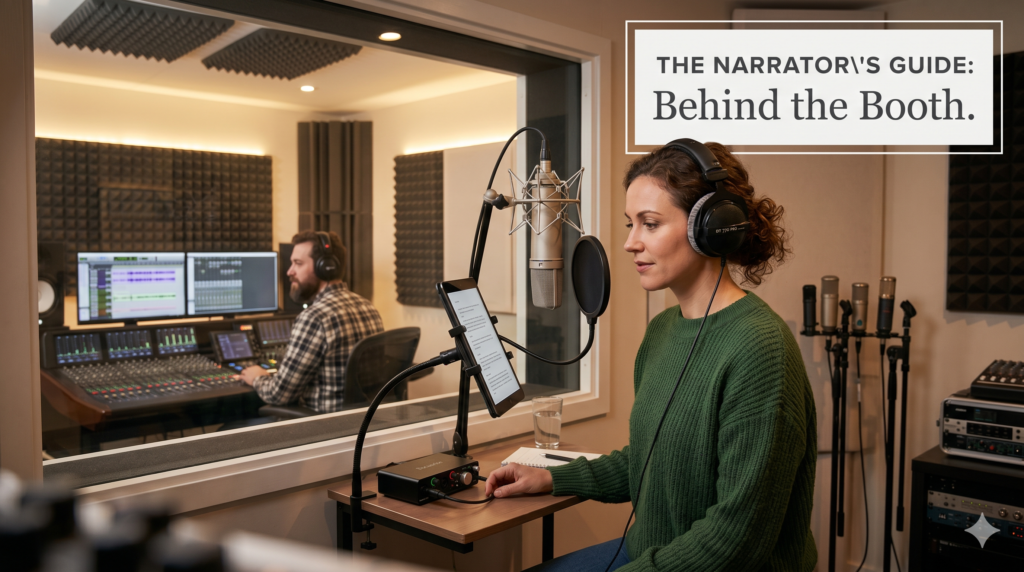
Technically, human narration benefits from expert control over audio elements such as microphone placement, room acoustics, and dynamic range. These factors contribute to a warm, rich sound profile that synthetic voices struggle to replicate. The combination of vocal artistry and high-quality production results in an immersive listening experience that feels organic and emotionally resonant.
Emotional Engagement and Listener Immersion
Emotion is the cornerstone of immersive audiobook experiences. When listeners connect emotionally, they are more likely to retain information and enjoy the story. Human narrators excel at building this connection by modulating their delivery to match narrative highs and lows. They shape tension through pacing, use silence to create suspense, and emphasize key moments with vocal intensity.
Sound design also plays an important role. Background soundscapes or subtle effects, when combined with human narration, enhance atmosphere without overshadowing the voice. For example, a whispered line accompanied by soft ambient noise can amplify suspense. The narrator’s ability to synchronize timing with these elements heightens immersion.
In contrast, AI narration often follows a uniform tempo and tone, limiting emotional range. While advances in synthesis algorithms improve prosody, they rarely capture the spontaneous emotional shifts that human narrators convey instinctively. This gap affects listener engagement. Audiobooks with human narrators on the Narrative Immersion Scale consistently score higher in emotional impact metrics.
The Audiobook Quality Framework: Human vs. AI Narration
To assess narration quality systematically, I propose The Audiobook Quality Framework (AQF). It evaluates narration on four pillars: vocal authenticity, emotional resonance, acoustic fidelity, and narrative pacing. Each pillar scores from 1 to 10, reflecting how well the narration supports listener immersion.
| Pillar | Human Narration Average Score | AI Narration Average Score |
|---|---|---|
| Vocal Authenticity | 9 | 6 |
| Emotional Resonance | 9 | 5 |
| Acoustic Fidelity | 8 | 7 |
| Narrative Pacing | 9 | 6 |
Human narrators score higher due to their ability to infuse stories with personality and emotional depth. Acoustic fidelity is comparable when AI recordings use advanced equipment. However, AI often falls short in adapting pacing dynamically to story demands.
Producers aiming for high-quality audiobooks should prioritize narrators who excel in these areas. AI narration might serve as a tool for specific use cases, such as quick previews or language translations, but it remains insufficient as a wholesale replacement for the human voice. The magic of narration lies in its imperfections, spontaneity, and emotional honesty—qualities silicon cannot yet replicate.
===Expert Listener FAQ===
1. How does Dolby Atmos enhance audiobook immersion?
Dolby Atmos creates a three-dimensional sound field that places audio elements around the listener. In audiobooks, this technology can position narration and soundscapes spatially, making the story feel enveloping. For example, ambient noises can come from behind or beside the listener, creating a cinematic experience. However, misuse might distract rather than enhance, so careful mixing is essential.
2. What ethical concerns arise with AI voice cloning?
AI voice cloning risks unauthorized use of a narrator’s vocal identity. Without explicit permission, cloned voices may exploit professional talent and infringe on intellectual property rights. Ethical guidelines should mandate informed consent and fair compensation for voice likenesses used by AI.
3. How important is Foley design in modern fiction audiobooks?
Foley design adds realistic sound effects that enhance narrative immersion. In genres like thrillers or fantasy, well-crafted Foley brings scenes to life beyond narration alone. It requires precise timing to avoid overpowering the voice and should complement the narrator’s emotional tone.
4. Can synthetic voices capture pacing nuances effectively?
While AI can mimic pacing to an extent, it lacks the intuitive understanding of narrative flow. Human narrators adjust pace based on story context and emotional beats, making their delivery feel natural. AI pacing often remains mechanical, limiting emotional impact.
5. What technical specs matter most in narration quality?
Bitrate influences audio clarity, with 192 kbps or higher recommended for spoken word. Spatial audio enhances depth, and low noise floors preserve vocal purity. Microphone quality and recording environment affect warmth and articulation, crucial for listener comfort.
6. How do listener preferences vary across genres?
Genres like romance or memoir demand high emotional resonance and nuanced vocal delivery. Action or sci-fi may benefit from dynamic pacing and immersive soundscapes. Understanding genre-specific listener expectations guides narrator selection and production choices.
7. What role does vocal fry play in narration?
Vocal fry adds texture and emotional weight, often used to express fatigue, sadness, or intimacy. Skilled narrators deploy it sparingly to enrich character voices and atmosphere. Overuse, however, can tire listeners or reduce clarity.
8. How should producers disclose AI narration to listeners?
Clear labeling in metadata and marketing materials informs listeners upfront. Platforms might include disclaimers at the start of audiobooks and in descriptions, ensuring transparency and respecting listener autonomy.
Conclusion: Can Silicon Ever Replace Human Magic?
The question of whether AI narration can replace human magic is complex, intertwining technical, ethical, and emotional threads. From a production and literary standpoint, AI voices lack the emotional nuance, spontaneity, and moral agency that human narrators bring. These qualities are essential for immersive storytelling and listener connection.
Ethically, the audiobook industry must safeguard narrators’ rights and maintain transparency with audiences. AI can serve practical roles but should not erode the artistry at the heart of narration. The Audiobook Quality Framework highlights where humans currently surpass machines in delivering compelling audio experiences.
Ultimately, human narration remains the irreplaceable soul of audiobooks. The magic lies not just in sound but in the empathy and artistry conveyed through voice. As technology advances, balancing innovation with respect for human creativity will determine the future of audiobook storytelling.