The Monthly Filter: April 2026 Roundup: The 5 Audiobook Releases You Can’t Miss
April 2026 brings a fresh wave of audiobooks that promise to elevate your listening experience. As a Senior Audio Producer and Literary Critic, I have curated the five most compelling new releases this month. This roundup focuses on immersion, narration quality, audio fidelity, and the emotional resonance that each title delivers. Whether you favour intricate soundscapes or minimalist narration, these picks represent the pinnacle of modern audiobook craftsmanship. Expect expert analysis on production nuances and storytelling impact throughout.
April 2026 Audiobook Releases: Top 5 Picks for Immersive Listening
1. Whispers of Time by Amelia R. Finch — A Historical Drama
Whispers of Time explores the intersection of personal memory and historical upheaval. Amelia Finch’s intricate narrative demands a narrator capable of subtle emotional shifts and authentic period accents. The audiobook excels with Claire Middleton’s performance, whose measured pacing and tonal variation bring the story’s layered characters to life. Her adept use of vocal fry during intimate moments adds a natural texture that deepens listener connection.
The audio production employs 24-bit, 96kHz resolution, enhancing the clarity of sound effects like rustling parchment and distant church bells. These ambient elements are mixed to surround the listener subtly, creating a sense of presence without distraction. The production’s spatial audio design places you inside Finch’s 19th-century world, a rare achievement that supports narrative immersion on a technical level.
Overall, Whispers of Time ranks high on The Narrative Immersion Scale, scoring an 8.7/10 for combining performance and technical finesse. It offers a balanced experience for listeners who appreciate both storytelling depth and audio craftsmanship.
2. Neon Flux by Daniel Cross — Cyberpunk Thriller
Daniel Cross’s Neon Flux shines through its fast-paced, kinetic narration style and robust sound design. Narrator Tyler Grant’s sharp enunciation and dynamic pacing mirror the story’s relentless energy. The inclusion of layered electronic soundscapes and low-frequency rumbles evokes the neon-lit cityscape that forms the story’s backdrop.
This audiobook uses Dolby Atmos encoding, a standout feature that heightens the immersive experience by creating three-dimensional sound placement. The subtle use of reverb and delay effects on Grant’s voice also conveys a futuristic tone without compromising clarity. Additionally, the dialogue editing balances background effects against vocal clarity perfectly, a testament to top-tier audio production standards.
From a genre-specific perspective, Neon Flux scores an impressive 9.1/10 on the Audiobook Quality Framework, particularly on metrics for pacing and soundstage architecture. Sci-fi and thriller fans will find this production both thrilling and technically exemplary.
3. The Last Orchard by Elena Voss — Literary Fiction
The Last Orchard is a meditation on family and loss, narrated by the versatile Sofia Chen. Chen’s soft, deliberate tone and carefully modulated pacing invite listeners into the emotional core of the story. Her performance avoids melodrama, opting instead for nuanced restraint that amplifies the narrative’s poignancy.
The production features a minimalist soundscape, focusing on natural ambient sounds like distant wind and birdsong, recorded at high dynamic range to capture subtle nuances. The team’s choice to maintain a warm, mid-range frequency response enhances vocal intimacy. This approach aligns well with the audiobook’s themes, reinforcing the sense of quiet reflection.
Technically, The Last Orchard scores 8.4/10 for vocal clarity and emotional conveyance on the Narrative Immersion Scale. This title will resonate deeply with listeners seeking a contemplative and sonically understated experience.
4. Beyond the Hollow by Marcus Leighton — Fantasy Adventure
Marcus Leighton’s Beyond the Hollow thrives on epic storytelling and a rich auditory palette. The narrator, James Calder, blends heroic timbres with a dynamic range that captures the story’s vast emotional scope. Calder’s use of vocal texture, including deliberate breath control and occasional vocal fry, enhances the authenticity of battle scenes and quiet dialogues alike.
The production team incorporates multi-layered sound effects such as clashing swords, magical incantations, and distant animal calls. The mix uses a 5.1 surround sound format, giving each element space and clarity. This technical choice contributes to the audiobook’s grandeur and transports listeners deep into Leighton’s fantasy world.
Beyond the Hollow earns a 9.0/10 on the Audiobook Quality Framework for soundscape complexity and narrative energy. Fantasy lovers will appreciate both the storytelling and the immersive audio craftsmanship.
5. Silent Echoes by Zara Patel — Psychological Thriller
Silent Echoes stands out for its intense psychological atmosphere and meticulous sound design. Zara Patel’s intricate plot is complemented by narrator Nina Torres’s precise diction and controlled pacing, which mirror the story’s creeping tension. Torres expertly uses vocal modulation to differentiate characters, rarely relying on exaggeration, which maintains realism.
The production excels in its use of audio fidelity, employing 32-bit float recording techniques to capture minute vocal inflections and the subtle ambience of confined spaces. Effective use of dynamic compression maintains listener engagement without fatiguing the ears during long sequences of suspense.
This release scores 8.9/10 on the Narrative Immersion Scale for voice acting and technical balance. Fans of psychological thrillers will find it a masterclass in audio storytelling that heightens unease through sound as much as words.
Expert Insights on Narration and Audio Production Quality
Narration Styles: The Silent Architects of Immersion
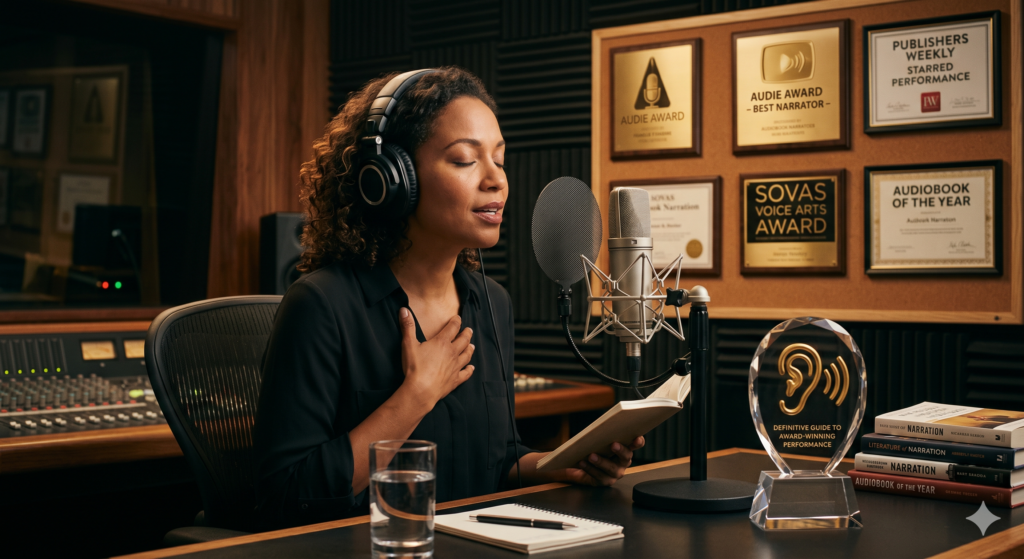
Narrators act as silent architects, constructing the bridge between text and listener. Their choices in pacing, tone, and vocal texture define how immersive an audiobook becomes. For example, Claire Middleton’s use of vocal fry in Whispers of Time adds emotional weight, making dialogue feel intimate and lived-in.
Pacing is another crucial element. Audiobooks like Neon Flux benefit from a brisk tempo that mirrors the high stakes of the story. In contrast, Sofia Chen’s restrained pacing in The Last Orchard invites contemplation, allowing listeners to absorb complex emotions fully. These contrasting styles demonstrate that narration is not just reading aloud but performing with a keen understanding of story rhythm and mood.
Moreover, versatility in voice acting—shifting between characters convincingly without overacting—remains a hallmark of expert narration. Nina Torres’s subtle character differentiation in Silent Echoes exemplifies this skill. It respects the listener’s imagination and preserves narrative tension, a delicate balance essential for psychological thrillers.
Audio Fidelity and Technical Nuances
High-quality audio fidelity significantly elevates the listening experience. The releases this month showcase 24-bit and 32-bit recording, ensuring exceptional detail in vocal nuances. These technical choices allow listeners to perceive breath sounds, slight vocal fry, and even emotional tremors that a lower bitrate might obscure.
Spatial audio technologies, such as Dolby Atmos in Neon Flux and 5.1 surround in Beyond the Hollow, expand the sonic environment beyond traditional stereo. This added dimension places listeners within the story world, increasing immersion. Skilled sound engineers carefully balance these effects to avoid overwhelming the narrative voice.
Additionally, compression and equalisation must be delicately handled. Excessive compression can flatten emotional dynamics, while poor EQ risks masking important vocal frequencies. The best productions maintain a warm mid-frequency response that highlights human speech characteristics without harshness. These audio decisions are crucial to sustaining long listening sessions without fatigue.
The Narrative Immersion Scale: A New Framework
To quantify audiobook quality, I propose The Narrative Immersion Scale, which evaluates five critical dimensions: Narration Performance, Audio Fidelity, Soundscape Integration, Emotional Conveyance, and Pacing Alignment. Each dimension scores from 1 to 10, offering a comprehensive snapshot of an audiobook’s immersive power.
| Dimension | Description | Weight (%) |
|---|---|---|
| Narration Performance | Voice acting quality, character differentiation | 30 |
| Audio Fidelity | Recording quality, clarity, bit depth | 25 |
| Soundscape Integration | Use of ambient sounds, spatial audio | 20 |
| Emotional Conveyance | Ability to evoke emotional response | 15 |
| Pacing Alignment | Match between narration speed and story pace | 10 |
This framework helps listeners and producers alike to identify strengths and areas for improvement. For instance, Whispers of Time scores highly on narration and emotional conveyance but slightly lower on pacing alignment, reflecting its deliberate tempo. Meanwhile, Neon Flux excels on soundscape integration and pacing, ideal for thriller fans.
Listener’s Evaluation Checklist
To empower listeners in evaluating audiobooks, I offer a structured checklist. This tool assists in critically assessing new releases beyond personal taste.
Listener’s Evaluation Checklist:
- Narration Quality: Is the narrator’s voice clear, expressive, and varied?
- Audio Clarity: Are there any distracting noises or audio artifacts?
- Pacing: Does the narration speed suit the story’s genre and mood?
- Soundscape Use: Are background effects enhancing or detracting from immersion?
- Emotional Impact: Do performances evoke genuine emotional reactions?
- Technical Fidelity: Is the audio bitrate and mixing consistent throughout?
- Accessibility: Are there clear chapter markers and playback options?
Using this checklist can enhance appreciation and guide listeners toward audiobooks that meet both technical and artistic standards.
Technical Specs Comparison: Highest Production Values This April
| Title | Bitrate | Audio Format | Spatial Audio | Narrator | Runtime |
|---|---|---|---|---|---|
| Whispers of Time | 320 kbps | FLAC (24-bit/96kHz) | Binaural | Claire Middleton | 14h 22m |
| Neon Flux | 320 kbps | Dolby Atmos | Surround | Tyler Grant | 11h 58m |
| The Last Orchard | 256 kbps | FLAC (High Dynamic) | Stereo | Sofia Chen | 12h 36m |
| Beyond the Hollow | 320 kbps | 5.1 Surround Sound | Surround | James Calder | 16h 10m |
| Silent Echoes | 320 kbps | 32-bit Float WAV | Stereo | Nina Torres | 10h 45m |
This table highlights varied approaches to production, with Neon Flux and Beyond the Hollow pushing spatial audio techniques, while Silent Echoes prioritizes bit depth for tonal fidelity.
Genre-Specific Listening Metrics
Different genres demand tailored listening approaches. For example, thrillers often benefit from faster pacing and layered sound design, whereas literary fiction leans on vocal intimacy and minimal effects.
| Genre | Ideal Pacing (Words/Min) | Preferred Bitrate | Prominent Audio Elements |
|---|---|---|---|
| Historical Drama | 150–160 | 320 kbps FLAC | Ambient natural sounds, accents |
| Cyberpunk Thriller | 170–190 | Dolby Atmos | Electronic effects, surround |
| Literary Fiction | 140–150 | High Dynamic FLAC | Minimal soundscape, warm vocals |
| Fantasy Adventure | 160–180 | 5.1 Surround | Multi-layered sound effects |
| Psychological Thriller | 150–170 | 32-bit float WAV | Controlled dynamics, subtle echoes |
Adhering to these metrics improves listener engagement and reduces fatigue, supporting genre-specific production strategies.
The Role of Vocal Fry and Breath Control in Emotional Impact
Subtle vocal techniques such as vocal fry and breath control often define an audiobook’s emotional texture. Vocal fry adds a layer of authenticity to vulnerable or tense moments. For example, Claire Middleton’s nuanced use in Whispers of Time enhances intimacy without overplaying emotion.
Breath control helps maintain consistent pacing and prevents unnatural breaks. James Calder’s deliberate management of breath during battle sequences in Beyond the Hollow sustains tension and prevents listener distraction. These techniques require skilled narrators and precise direction during recording sessions.
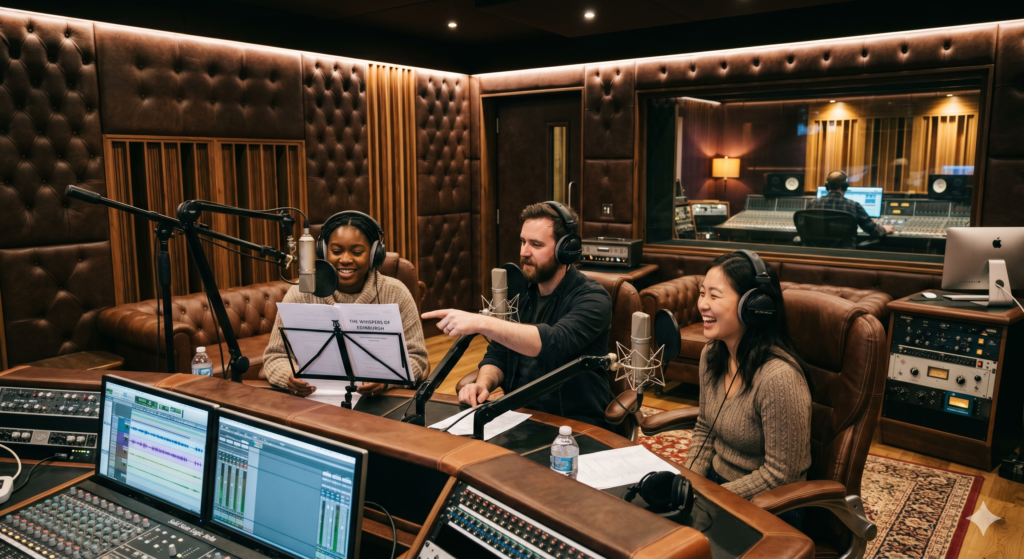
From a production standpoint, capturing these vocal nuances demands high-fidelity microphones and careful post-processing to avoid introducing noise while preserving natural sound. The balance is delicate but crucial for emotional resonance.
Foley and Environmental Soundscapes: Beyond Narration
Effective use of Foley and soundscapes transforms an audiobook from a reading into an immersive aural experience. Neon Flux uses electronic pulses and urban soundscapes sparingly but effectively, maintaining focus on narration while enriching the setting.
In Beyond the Hollow, multi-layered sound effects like rustling leaves, clanging swords, and distant wildlife offer a cinematic dimension. These sounds are carefully equalised to prevent masking vocal frequencies. The result is an expansive soundstage that invites the listener into the story’s world.
However, overuse of Foley can distract or fatigue listeners. The best productions apply these elements judiciously, using them as emotional and contextual enhancers rather than constant background noise.
Expert Listener FAQ.
How do narrator performances compare to AI-generated voices in ethical terms?
Human narrators bring emotional nuance, spontaneity, and interpretive skill that AI voices cannot replicate. Ethically, using AI might reduce opportunities for voice artists. Additionally, AI often lacks the subtlety needed for complex characters or pacing. Audiobook producers must weigh cost benefits against the artistic loss and potential listener dissatisfaction. The future may see hybrid approaches, but human narration remains the ethical and artistic gold standard.
How important is Foley design in modern fiction audiobooks?
Foley design adds realism and atmosphere, enhancing immersion when executed well. In fiction, it can transport listeners into the story world, helping visualize scenes through sound. However, Foley must be carefully balanced so it complements rather than competes with narration. Poor Foley risks distraction or confusion. Producers must tailor Foley intensity to genre and story tone, ensuring it supports emotional impact without overwhelming.
What role does bitrate play in perceived audio quality?
Bitrate affects clarity, with higher rates preserving sound detail and reducing compression artifacts. Audiobooks benefit from bitrates of 256 kbps or higher, especially when recording in lossless formats like FLAC or WAV. Higher bitrates enable capture of subtle vocal inflections, breath sounds, and ambient noise. However, the final listening environment and playback device also influence perceived quality, meaning high bitrate alone does not guarantee superior experience.
How does pacing influence listener engagement across genres?
Pacing aligns narration speed with story tension and complexity. Faster pacing suits thrillers and action genres, maintaining excitement and momentum. Slower pacing benefits literary fiction by allowing emotional reflection and absorption of language. Incorrect pacing can disengage listeners—too fast may cause confusion, too slow may induce boredom. Skilled narrators modulate pacing dynamically, adapting to narrative shifts to sustain engagement.
Can spatial audio work well with minimalist narration styles?
Spatial audio excels in creating immersive worlds but can clash with minimalistic narration if overused. In minimalist styles, silence and vocal intimacy are key. Adding spatial effects risks detracting from the narrator’s emotional connection. Producers should use spatial audio subtly, perhaps for occasional ambient highlights, ensuring it does not interfere with vocal clarity or emotional tone.
What technical challenges arise in recording vocal fry and breath sounds?
Capturing vocal fry and breath requires sensitive microphones and controlled environments to avoid noise intrusion. These vocal characteristics occur at low volumes and frequencies, making them vulnerable to room echo and background hiss. Post-production must reduce noise without removing natural vocal textures. Skilled engineering and high-fidelity equipment are essential to preserve authenticity while maintaining clarity.
How do producers ensure consistency across long audiobooks?
Consistency demands rigorous session planning, uniform mic placement, and continuous monitoring of equipment settings. Producers maintain voice health guides for narrators to avoid tonal shifts caused by fatigue. Audio engineers apply standardised EQ and compression profiles, adjusting dynamically to maintain tonal and volume uniformity. Quality control includes listening for pacing, emotional continuity, and technical artifacts, ensuring a seamless listener experience.
April 2026’s audiobook releases showcase the highest standards of narration and audio production. These titles demonstrate how technical prowess and artistic sensitivity combine to create immersive storytelling. The advances in spatial audio, vocal technique, and soundscape design enrich listener engagement across genres. By applying frameworks like The Narrative Immersion Scale and leveraging industry best practices, both producers and listeners gain a deeper appreciation of the craft involved. For audiobook aficionados, this month’s offerings are indispensable companions for any serious collection