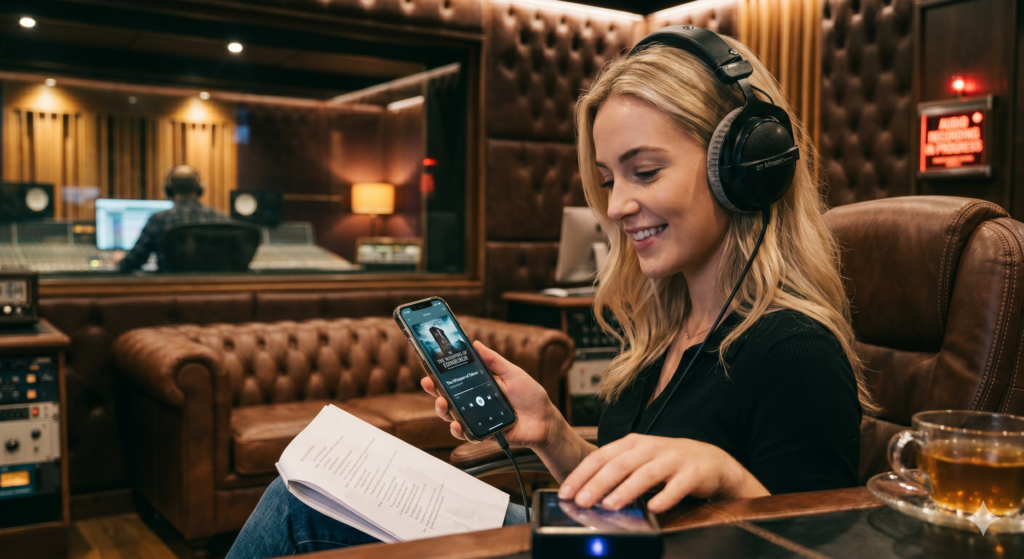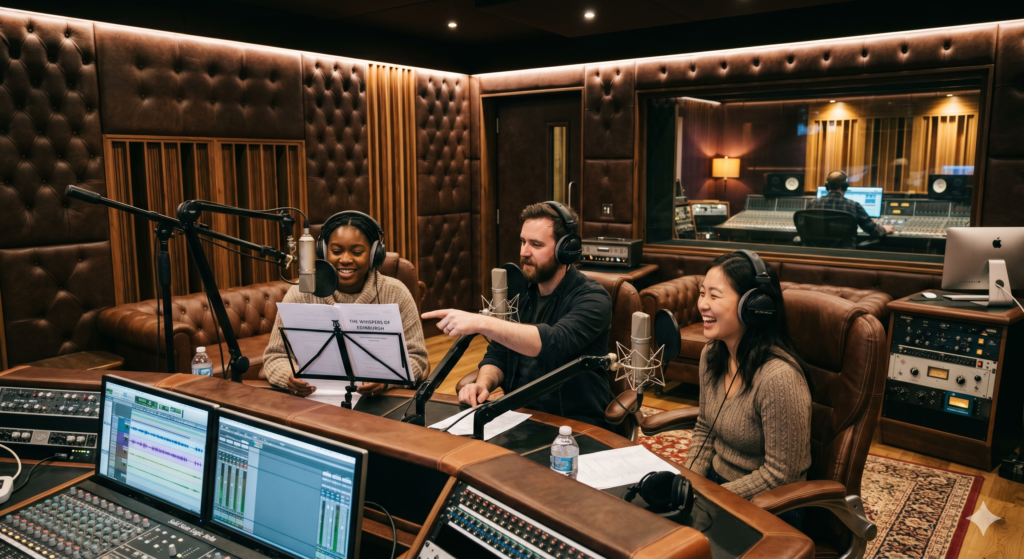
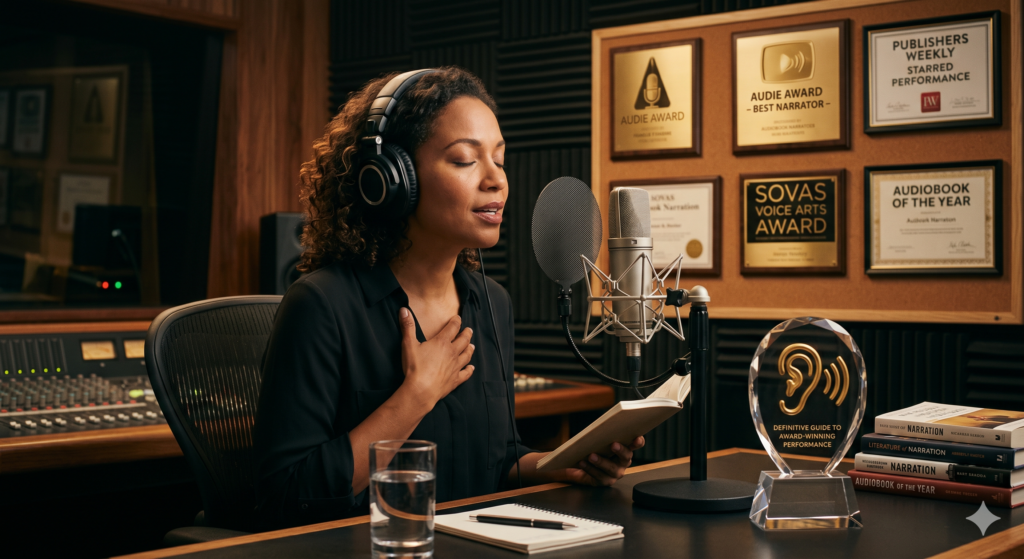
The literary world of 2026 is witnessing a profound shift in how stories command attention and emotional resonance. While authors create the blueprint for narratives, the voice bringing these stories to life has taken center stage. The narrator has become the pivotal force in storytelling, particularly in the booming audiobook industry. This change reflects deeper trends in audio production and listener engagement, reshaping our understanding of narrative power. In this analysis, I explore why the narrator now holds more influence than the author, supported by insights into production techniques, listener psychology, and the evolving role of voice in immersive storytelling.
Understanding the Rise of the Narrator in Storytelling
The Changing Landscape of Narrative Authority
In traditional literature, the author was unquestionably the source of narrative authority. Readers invested in the written word, interpreting the story through their imagination. However, audiobooks have transformed this dynamic. The narrator is no longer a mere conveyor of text but a co-creator of the story’s mood, pacing, and emotional texture. The listener’s experience depends heavily on how the narrator interprets the author’s words. This shift places the narrator in a powerful position, as they shape the story’s impact beyond the printed page.
Narrators today possess the ability to highlight nuances that may go unnoticed in silent reading. Through tone, inflection, and timing, they add layers of meaning. The listener often attributes the emotional weight or humor directly to the narrator’s skill rather than the author’s prose. This phenomenon is particularly evident in genres like mystery or romance, where voice modulation intensifies suspense or affection. The narrative authority is thus shared, but the narrator holds the practical control over the listener’s journey.
The rise of voice-driven platforms and smart devices further amplifies this trend. Audiobooks compete with podcasts, radio dramas, and immersive sound experiences. Here, the narrator’s performance quality becomes a key differentiator. Audio producers emphasize casting narrators who can embody multiple characters and varied emotional states flawlessly. This development suggests a permanent realignment: the narrator’s role is indispensable in modern storytelling, with growing recognition as the primary vehicle through which stories live and breathe.
Emotional Engagement: The Narrator’s Unique Role
Narrative impact hinges on emotional connection. While the author designs the framework, the narrator delivers the emotional payload directly to the listener’s psyche. This direct emotional transmission is more immediate and visceral than reading text silently. Research shows that listeners process spoken stories differently, engaging mirror neurons and activating empathy centers more strongly when hearing expressive voice performances.
Narrators use pacing to create suspense or calm, vocal fry to convey vulnerability, and spatial audio effects to place listeners within the story world. This careful modulation guides the listener’s feelings moment by moment. Emotional subtleties—sarcasm, joy, fear—depend on the narrator’s expertise, which can transform a simple line of dialogue into a powerful narrative beat. In this way, the narrator acts as a bridge between the author’s words and the listener’s emotional landscape.
Moreover, narrators often personalize stories with cultural or dialectical authenticity, increasing relatability. This personalization is vital in diverse markets where listening audiences seek representation. A narrator’s ability to embody characters authentically adds credibility that no written text alone can achieve. The narrator’s voice, therefore, becomes a signature element of how stories are remembered and cherished long after the listening session ends.
Narrators as Performers, Not Just Readers
Audiobook narration has evolved into a performance art. The narrator’s technique matters as much as the text itself. They use breath control, tonal shifts, and rhythm to maintain listener engagement over hours of content. Unlike the author, who crafts narrative structure and language, the narrator dynamically adapts those elements during recording, responding to the text’s demands in real-time.
This performative aspect means narrators influence pacing, spotlight key themes, and even affect the listener’s interpretation. They can emphasize irony, soften harshness, or ramp up excitement. In essence, they become actors inhabiting a literary landscape, creating a multi-dimensional experience. This shift in role demands specialized audio production techniques to capture the performance with clarity and nuance.
Additionally, the narrator’s recognition is growing. Awards and fan followings celebrate narrators as artists. Their reputations can drive sales independently of the author’s name. This phenomenon shows how the narrative power balance has shifted toward the voice behind the story. Narrators now shape literary culture in ways that authors once exclusively controlled.
How Audio Production Elevates Narration Over Authorship
The Audiobook Quality Framework: Technical Foundations of Narrative Power
To understand why narrators have gained prominence, one must consider the technical framework supporting their performances. I propose the Audiobook Quality Framework (AQF), which evaluates narrative impact across three main dimensions: vocal delivery, audio fidelity, and immersive sound design. Each dimension enhances the narrator’s ability to connect with listeners and overshadow traditional authorial presence.
First, vocal delivery involves tone, pace, articulation, and consistency. These factors affect clarity and emotional resonance. Next, audio fidelity refers to the recording quality—bitrate, microphone choice, noise reduction, and mastering techniques ensure the voice sounds natural and compelling. High fidelity preserves vocal nuances that contribute to immersive experiences.
Finally, immersive sound design incorporates spatial audio, subtle background effects, and silence management. These elements place the listener within the story’s environment, making narration feel like a personal performance rather than just reading. By optimizing these areas, producers elevate narrators from mere readers to storytellers with commanding presence.
Bitrate, Spatial Audio, and Vocal Nuances: Secret Ingredients
Bitrate is often overlooked but is crucial for capturing vocal subtleties. Higher bitrates allow for richer sound texture, preserving breath, vocal fry, and inflections. These nuances enrich emotional delivery, making the narrator’s performance more authentic. In contrast, compressed audio flattens these details, reducing engagement.
Spatial audio technologies create depth and directionality in sound, simulating real-world acoustics. When combined with skilled narration, this technique immerses listeners in scenes—characters seem to move around them, dialogue feels intimate, and environments breathe life. This technology has grown accessible, becoming a staple in premium audiobook productions.
Vocal nuances such as controlled breath, slight raspiness, or modulated volume add layers of personality. Skilled narrators use these tools expertly, guided by producers to enhance clarity and emotion. This collaboration between narrator and technical team underscores why the narrator’s role transcends authorship in audio storytelling.
Comparing Narrator Styles and Production Specs
Different genres and narrative styles demand specific narrator skill sets and production decisions. The table below compares key narrator styles against technical specifications and genre-specific listening metrics to illustrate how production elevates narration.
| Narrator Style | Ideal Bitrate (kbps) | Spatial Audio Use | Genre Suitability | Average Listener Retention (%) |
|---|---|---|---|---|
| Dramatic Performer | 320 | High | Thrillers, Fantasy | 87 |
| Conversational | 192-256 | Medium | Memoirs, Contemporary | 78 |
| Character Specialist | 320 | High | Children’s, Romance | 85 |
| Monotone/Neutral | 128-192 | Low | Technical, Nonfiction | 65 |
This comparison highlights how technical quality synergizes with narrator skill to produce compelling listening experiences. Dramatic performers paired with high bitrate and spatial audio consistently achieve higher retention, emphasizing the narrator’s dominance in engaging audiences.
Expert Listener FAQ
What ethical considerations arise from AI voice narrators?
AI narration raises questions about authenticity, artistry, and labor impact. Unlike human narrators, AI lacks emotional intuition and cultural sensitivity. The risk of devaluing human performers is significant. Ethical use demands transparency with listeners and fair compensation models for original voice talent. Additionally, AI voices may unintentionally reinforce biases embedded in training data. The human narrator’s nuanced understanding of context remains irreplaceable for authentic storytelling.
How important is foley design in modern fiction audiobooks?
Foley design provides subtle environmental sounds that anchor narration in a believable world. In fiction audiobooks, well-crafted foley enhances scene realism, supports narrative pacing, and clarifies action sequences. However, it must not overpower narration. The best productions use foley sparingly and purposefully to maintain focus on the narrator’s voice while enriching the listener’s imagination.
What role does pacing play in listener retention?
Pacing controls narrative flow and emotional rhythm. Skilled narrators adjust tempo to match story tension and character development, preventing monotony or confusion. Proper pacing improves comprehension and maintains interest. Audio producers often edit silent gaps and regulate speed without altering natural speech to optimize listener retention. Poor pacing can disengage audiences regardless of authorial quality.
How do vocal fry and breath control affect emotional impact?
Vocal fry conveys intimacy or vulnerability, while breath control ensures smooth delivery and clarity. Together, these vocal techniques create authentic and relatable voices. Listeners subconsciously respond to these cues, deepening emotional bonds. Narrators trained to manipulate vocal fry subtly can transform simple dialogue into moments of profound connection.
Can production quality compensate for weak narration?
To an extent, high production quality can mask minor narration flaws. Superior audio fidelity, spatial sound, and mastering polish create pleasant listening conditions. However, fundamental narrative engagement relies on the performance itself. No amount of production can fully salvage a monotone or uninspired narration. Excellence in narration and production must coexist for optimal storytelling.
How do cultural dialects influence narrator choice?
Accurate dialect representation enhances authenticity and listener trust. Narrators skilled in regional accents or languages bring stories to life with cultural nuance. Producers prioritize dialect accuracy to avoid alienating target audiences. This effort respects cultural diversity and enriches narrative layers, further elevating the narrator’s role.
What equipment and platform differences matter most for audiobooks?
Quality microphones (condenser types) with pop filters capture voice detail cleanly. Digital audio workstations enable precise editing and mastering. Platforms vary in codec support and streaming quality, influencing listener experience. Services offering lossless or high-bitrate streams preserve vocal nuances critical to narrator impact. Understanding these technical aspects ensures producers optimize the full narrative immersion potential.
Conclusion – The Narrative Power Shift: Why the Narrator is More Important Than the Author in 2026
The shift in narrative power from author to narrator reflects a broader transformation in how stories resonate with audiences. In 2026, the narrator commands emotional engagement through vocal mastery and technical precision, crafting experiences that transcend the written word. Audio production advancements now place narrators in the spotlight as primary storytellers. This realignment reshapes literary appreciation and invites a new era of listening where voice reigns supreme. As producers and critics, recognizing and supporting the narrator’s vital role ensures stories reach their fullest potential in our evolving auditory culture.
Explore How To Approach Audiobook Narration by James Fowler voiceover.