
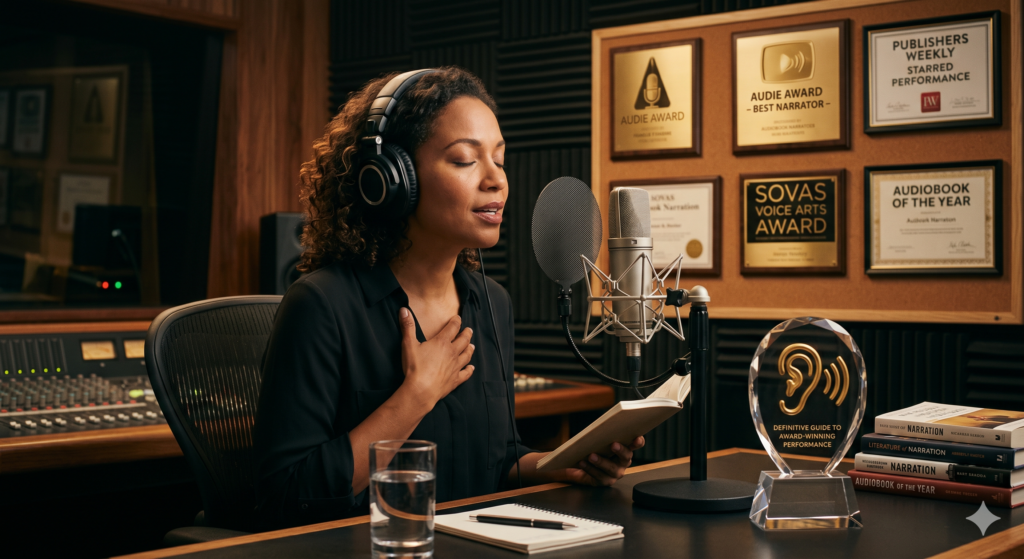
The world of audiobooks thrives on voice. Listeners often choose narrators based on tone, clarity, and emotional resonance. Yet, one crucial factor shapes the entire experience: accent. British and American narrators dominate the market, each bringing distinct qualities. This divide raises a compelling question: does the accent disrupt your immersion or enhance the story? As a Senior Audio Producer and Literary Critic, I examine how British vs. American Narrators accents impact listener engagement, production nuances, and narrative authenticity.
Comparing British and American Narration Styles in Audiobooks
Vocal Characteristics and Delivery
British narrators typically offer a measured, precise enunciation that reflects centuries of theatrical tradition. Their diction often includes Received Pronunciation or regional variants, lending a formal or atmospheric quality to narratives. In contrast, American narrators tend to use a more conversational, naturalistic tone. This informal style fosters closeness and relatability, particularly in genres like contemporary fiction or memoir.
The pace also differs. British narrators often adopt a deliberate tempo, allowing listeners to savor language and imagery. American narrators usually maintain a brisker pace, which suits fast-moving plots or thrillers. These stylistic choices affect immersion by aligning the voice with the genre’s emotional cadence. Subtle vocal fry or breathiness might appear more in American narrations, adding intimacy. Conversely, British narrations emphasize crisp consonants and clarity.
From a production standpoint, these vocal traits influence mic technique and editing. British accents require careful EQ to preserve crispness without harshness. American narrators benefit from dynamic range compression to maintain warmth and immediacy. Both styles demand precise pacing adjustments to avoid monotony or rushed delivery.
Emotional Resonance and Storytelling Impact
The emotional impact of narration hinges on how well the voice matches the narrative tone. British narrators often excel in historical fiction, literary classics, and fantasy genres. Their accent evokes tradition, grandeur, or mystique, enhancing world-building and character depth. The formality of British narration can create a barrier for some listeners, yet it also offers a sense of occasion.
American narrators shine in contemporary and diverse genres such as crime, romance, and memoirs. Their accent conveys directness and authenticity, often drawing listeners into intimate confessions or fast-paced dialogue. The familiarity of an American accent can increase listener empathy and immersion in stories grounded in modern, everyday experiences.
The choice between accents should consider not only genre but also the target audience’s preferences. Some listeners might find a British accent soothing or intellectually stimulating, while others might feel distanced from it. Similarly, an American accent might boost engagement for certain demographics but feel casual or distracting to others. Narrative immersion often depends on how well the narrator’s voice aligns emotionally with the text.
Genre Suitability and Listener Expectations
Certain genres appear naturally suited to one accent over the other. British narration pairs well with gothic novels, historical sagas, and fantasy. These genres rely heavily on atmosphere and elaborate language, where British accents lend an authentic, sometimes exotic flavor. On the other hand, American narrators dominate genres like thrillers, self-help, and urban fiction, where immediacy and relatability are paramount.
Listener expectations also shape how accents influence immersion. In nonfiction, a neutral American accent might be preferred for clarity and approachability, while British accents can create a sense of authority or sophistication in academic works. The audiobook market reflects these preferences, with publishers often selecting narrators to match anticipated listener biases.
It is important to note that accent authenticity can significantly affect immersion. A British narrator reading an American regional dialect might jar listeners, just as an American narrator portraying a British historical figure might seem incongruous. Successful narration often balances accent authenticity with clear articulation and emotional nuance.
How Accents Influence Immersion and Listener Experience
The Narrative Immersion Scale: A Framework
To assess how accents impact immersion, I propose The Narrative Immersion Scale (NIS), a tool measuring three dimensions: Accent Congruence, Emotional Fit, and Technical Clarity. Accent Congruence evaluates whether the narrator’s accent matches the story’s setting or characters. Emotional Fit measures how well the narrator’s tone and style evoke the desired emotional response. Technical Clarity assesses audio quality elements like bitrate, mic placement, and sound editing.
For example, a British narrator reading a Jane Austen novel scores high on Accent Congruence and Emotional Fit, while an American narrator might score lower without strong adaptation. Technical Clarity is independent but crucial; even the best accent will fail without excellent sound quality. Publishers and producers can use NIS to select narrators that maximize listener immersion.
This scale also helps listeners self-assess their preferences and tolerance for accent differences. Some might prioritize Accent Congruence over Technical Clarity, while others focus on vocal warmth or pacing. Applying this framework promotes more informed choices and elevates audiobook production standards.
Technical Specs: How Production Quality Shapes Accent Perception
Accent reception is not solely about voice but also how it is captured and presented. Bitrate settings, spatial audio techniques, and vocal processing all influence the listener’s perception. British accents, with their crisp consonants, benefit from higher bitrate to preserve clarity and avoid muddiness. American accents, rich in vocal fry and breath sounds, require sensitive mic placement to capture intimacy without distortion.
Spatial audio, such as binaural recording, can enhance immersion by placing the narrator’s voice in a 3D soundscape. This technique is effective regardless of accent but demands careful mixing to avoid distracting artifacts. Pacing adjustments, including pauses and emphasis, are critical for accents unfamiliar to the listener to aid comprehension.
A production checklist for accent-sensitive audiobooks might include:
- Bitrate minimum of 192 kbps for clarity
- Use of pop filters to reduce plosives common in British accents
- Dynamic compression to balance loudness without sacrificing nuance
- Spatial audio consideration for immersive genres
- Vocal editing to manage unwanted breaths or vocal fry
Such attention to detail ensures the accent complements the storytelling rather than breaks immersion.
Listener Preferences and Cultural Context
Listeners’ cultural backgrounds and exposure to accents significantly affect immersion. For American audiences, British accents may evoke sophistication or fantasy, but also risk alienating if too unfamiliar. Conversely, British audiences might find American accents relatable yet occasionally informal or intrusive.
Globalization and streaming platforms have increased exposure to diverse accents, gradually reducing listener bias. However, deep immersion often requires familiarity or contextual adaptation. Audiobook producers sometimes coach narrators to soften or strengthen accents to suit target markets. This strategic accent modulation can improve listener acceptance and enjoyment.
Audience surveys reveal that personal taste, genre expectations, and narrator personality often outweigh strict accent preferences. A skilled narrator can transcend accent boundaries by conveying emotion, pacing, and character authenticity. Therefore, immersion is a dynamic interplay of accent, production quality, and narrative style.
Expert Listener FAQ
How does Dolby Atmos affect narrator accent perception?
Dolby Atmos adds spatial depth, making the narrator’s voice appear three-dimensional. This immersion can soften accent barriers by situating the voice in a natural sound environment. It enhances subtleties like intonation and breath sounds, improving emotional connection regardless of accent.
What ethical considerations arise between human narrators and AI voices?
Human narrators bring emotional nuance and authenticity to accents, which AI voices currently struggle to replicate. There are ethical concerns about AI replacing jobs and losing unique vocal identities. Maintaining human narration ensures cultural and emotional integrity, especially in accent-sensitive works.
How does foley design influence audiobook immersion?
Foley effects add realism but must be balanced carefully. Overuse can distract from narration, especially if accent comprehension is challenging. Subtle soundscapes support the story’s setting, aiding immersion without overwhelming the narrator’s voice.
Are regional American accents more challenging than British ones?
Regional American accents vary widely and can be more difficult for global listeners than standard British Received Pronunciation. However, regional British accents also present comprehension challenges. Clear articulation and pacing help mitigate these issues in both cases.
What role does vocal fry play in American narration?
Vocal fry adds intimacy and casualness but may reduce clarity. It is common in American narration and can enhance emotional resonance if used sparingly. Excessive vocal fry can tire listeners or obscure words, impacting immersion.
Does pacing differ significantly between British and American narrators?
Yes. British narrators often employ a more measured pace, enhancing literary genres. American narrators lean towards faster pacing, supporting dynamic and plot-driven works. Pacing must be adapted carefully to maintain listener engagement and comprehension.
How do production teams balance accent authenticity with clarity?
Producers coach narrators to maintain authentic pronunciation while ensuring intelligibility. Editing can smooth difficult phrases. Equalization and compression also enhance clarity without stripping accent character. This balance is vital for immersive listening.
Can accent influence audiobook genre popularity?
Accents can shape genre reception. British accents often elevate literary and historical genres. American accents dominate contemporary, thriller, and self-help categories. Listener familiarity with the accent directly correlates with genre enjoyment.
Listener’s Evaluation Checklist for Accent Immersion
| Criterion | Yes | No | Notes |
|---|---|---|---|
| Does the narrator’s accent fit the story’s setting? | ☐ | ☐ | |
| Is the narration paced comfortably for understanding? | ☐ | ☐ | |
| Does the audio quality highlight vocal nuances? | ☐ | ☐ | Bitrate, mic clarity, editing |
| Does the narrator convey emotional depth effectively? | ☐ | ☐ | |
| Are distracting vocal habits (e.g., excessive vocal fry) minimized? | ☐ | ☐ | |
| Is the accent intelligible without forcing focus? | ☐ | ☐ | |
| Do production elements (soundscapes, effects) support the voice? | ☐ | ☐ |
This checklist empowers listeners to critically assess the impact of accents on their audiobook experience and choose titles that sustain immersion.
Conclusion – British vs. American Narrators: Does the Accent Break Your Immersion?
The Atlantic divide between British and American narrators offers rich variation in audiobook narration. The choice of accent can either deepen immersion or create subtle friction, depending on genre, production quality, and listener expectations. By understanding vocal nuances, emotional resonance, and technical factors, producers and listeners can better navigate this divide. Ultimately, a skilled narrator transcends accent borders, inviting listeners into fully realized worlds through voice alone. Immersion depends on harmony between accent, narrative style, and soundcraft an art both British and American narrators continue to refine.