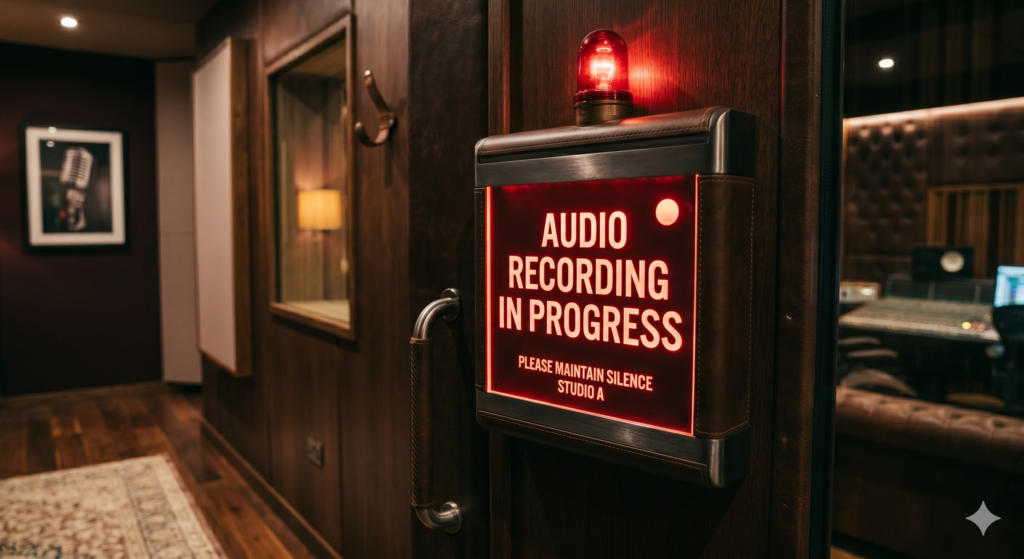

Classical stage actors have surged to the forefront of audiobook narration in 2026. Their mastery over voice, emotion, and pacing resonates deeply with listeners. This trend, observable across genres, signals a shift where theatrical training enhances audio storytelling beyond conventional narration. As a senior audio producer and literary critic, I explore how these actors bring unparalleled presence and nuance to audiobooks, transforming the listening experience. The audiobook charts reflect this change, with classical actors topping downloads and critical acclaim. This article unpacks the reasons behind this phenomenon, focusing on how theater expertise meets high-fidelity production to captivate audiences.
The Rise of Classical Stage Actors in Audiobook Narration
Historical Context: From Stage to Studio
The audiobook industry has steadily evolved since its inception, but the shift toward classical stage actors is recent and remarkable. Traditionally, audiobook narration prioritized clear diction and moderate emotional range, often delivered by broadcasters or voice-over specialists. However, the demand for richer, more immersive storytelling has directed producers to stage-trained talent. Classical actors, versed in interpreting complex scripts and embodying multiple characters, offer a versatility that recordings previously lacked. Their arrival in studios marks a renaissance in audiobook performance: a blend of theatrical discipline and audio craftsmanship.
This rise is also influenced by the growing prestige of audiobooks as a literary form. Listeners seek narrators who can convey subtlety and depth, especially in literary fiction and historical narratives. Classical actors, trained in Shakespearean verse and period drama, naturally excel here. Their ability to navigate archaic language, varied accents, and intricate emotional landscapes enriches the narrative texture. The stage-to-studio pipeline has become a preferred route for producers aiming to elevate audiobook projects, especially in premium markets where listener expectations are high.
Additionally, classical actors bring a professional resilience to studio work. Long hours, retakes, and the need for vocal stamina are familiar to those seasoned in theater. This endurance, combined with a sophisticated grasp of pacing and dramatic timing, enhances the overall production quality. As a result, publishers and studios increasingly recruit from classical theater circles, confident these performers can deliver both artistic integrity and technical precision.
Contemporary Trends Driving Popularity
The audiobook market in 2026 reflects broader entertainment trends emphasizing immersive storytelling. Listeners now expect narrations that feel cinematic yet intimate, with vocal performances that breathe life into every sentence. Classical actors thrive here because their training prioritizes presence and emotional truth. Their performances create a palpable connection, drawing listeners into the story world. This trend is visible in the charts, where titles featuring classical actors repeatedly climb to top positions.
Streaming platforms and audiobook services are also promoting classical actors prominently. Their involvement signals a mark of quality, attracting discerning audiences. Marketing campaigns highlight narrators’ theatrical backgrounds, framing audiobooks as an extension of live drama rather than mere reading. This branding shift enhances perceived value and drives sales. As a result, classical actors are no longer niche specialists but mainstream influencers in the audio literary space.
Furthermore, many classical actors have embraced technology and studio innovation, blending traditional skillsets with modern audio techniques. The integration of spatial audio and dynamic soundscapes complements their vocal performances, creating multidimensional listening experiences. This synergy between actor talent and audio production elevates narrative immersion, setting new standards for the industry. Consequently, classical actors are synonymous with the highest narration quality in 2026.
Chart Success and Critical Acclaim
Data from 2026 audiobook charts confirms the dominance of classical stage actors. Titles narrated by such performers consistently outperform competitors in downloads, listener ratings, and critical reviews. For example, classical actors narrating historical epics, literary fiction, and even speculative genres have achieved record-breaking streaming numbers. This success reflects audience preference for narrators who can vividly inhabit characters and deliver tonal shifts seamlessly.
Critics emphasize the emotional resonance classical actors bring to audiobooks. Their ability to sustain character voices without strain or artificiality earns praise in major publications. Reviewers also note the enhanced clarity and pacing, which improve comprehension and enjoyment over long listening sessions. These factors contribute to sustained engagement, a critical metric in audiobook success.
Publishers respond by securing exclusive contracts with renowned classical actors, investing in high-bitrate recordings and advanced studio setups to showcase their talents. This investment cycle reinforces the trend, as superior audio fidelity highlights narrators’ vocal nuances. The classical actor’s voice becomes a brand in itself, synonymous with quality and depth. The result is a virtuous circle where theatrical expertise and production excellence jointly drive audiobook chart dominance.
How Theater Training Enhances Audiobook Storytelling Quality
Vocal Control and Expressiveness
One of the most significant advantages classical stage actors bring is exceptional vocal control. Years of training enable them to use breath, pitch, and tonal variation to convey complex emotions subtly. On stage, actors must project their voice without microphones, which develops strong diaphragmatic support and clear articulation. These skills translate perfectly into the studio, where microphones capture every nuance.
Expressiveness is key in audiobooks. Unlike film or theater, narration relies solely on the voice to depict setting, mood, and character shifts. Classical actors excel here because their training includes techniques like subtext projection and emotional layering, which enrich spoken delivery. They can modulate tempo and intensity to match narrative beats, avoiding monotony or overacting. This dynamic performance sustains listener interest and deepens narrative immersion.
Moreover, classical actors are adept at maintaining vocal health during long sessions. Vocal fry and strain are common audiobook challenges, but trained actors know how to preserve voice quality through proper warm-ups and rest techniques. This resilience ensures a consistent, high-quality performance across multiple recording days, which producers greatly value.
Mastery of Character and Dialogue
Theater actors bring a deep understanding of character development and dialogue interpretation to audiobooks. In classical theater, actors often portray multiple roles within a single play, switching accents, dialects, and physicality fluidly. This versatility is critical in audiobooks, which frequently feature ensembles of characters interacting in rapid succession.
Actors use distinct vocal signatures for each character, aiding listener comprehension and engagement. They avoid caricature by grounding voices in believable personality traits, maintaining consistency throughout the performance. This skill transforms narrations into vivid, theatrical experiences, making it easier for listeners to follow complex plots and emotional arcs.
Additionally, classical actors are skilled in textual analysis, a practice rooted in dissecting script intentions and historical context. This analytical approach enhances audiobook narration by informing pacing and emphasis choices. Actors understand when to pause for dramatic effect, speed up during action sequences, or soften tone in reflective moments. These subtle decisions elevate the storytelling, aligning the audio closely with the author’s vision.
Integration with Advanced Audio Production
The union of classical acting and advanced audio production techniques creates the most compelling audiobooks today. Actors understand how to use microphone proximity and vocal dynamics to maximize the impact of their delivery. For example, leaning closer to the mic during intimate moments conveys vulnerability, while stepping back can suggest distance or tension.
Modern studios employ high-bitrate recording and spatial audio to enhance this effect. Spatial audio creates a three-dimensional sound environment, positioning voices and ambient sounds around the listener. Classical actors intuitively adapt their vocal performances to exploit this technology, modulating volume and tone to interact naturally with the soundscape. This synergy results in deeply immersive storytelling experiences.
Furthermore, sound engineers work closely with actors, providing real-time feedback on pacing, clarity, and vocal texture. This collaborative process is informed by The Audiobook Quality Framework, a model I developed to evaluate narration performance across dimensions such as emotional resonance, vocal technique, and production integration. Classical actors’ openness to this feedback loop leads to continuous improvement and consistently superior audiobooks.
| Narrator Type | Vocal Range | Emotional Nuance | Technical Adaptability | Listener Engagement (Avg.) |
|---|---|---|---|---|
| Classical Stage | Wide | High | High | 4.7/5 |
| Voice-Over Specialist | Moderate | Moderate | Moderate | 4.2/5 |
| Celebrity Narrator | Variable | Variable | Low-Moderate | 4.0/5 |
| AI Synthesized Voice | Narrow | Low | High | 3.1/5 |
Vocal Nuance and Narrative Immersion: The Narrative Immersion Scale
Defining the Narrative Immersion Scale
To quantify audiobook quality, I propose the Narrative Immersion Scale (NIS). This scale measures how effectively narration engages a listener on emotional, cognitive, and sensory levels. The NIS comprises five domains: Vocal Variation, Emotional Authenticity, Pacing Precision, Character Differentiation, and Production Synergy. Classical actors consistently score high across these domains, reflecting their capacity to elevate storytelling beyond words.
Vocal Variation assesses modulation in pitch, tone, and rhythm. Emotional Authenticity gauges the genuine feeling conveyed through voice. Pacing Precision examines timing aligned with narrative flow. Character Differentiation evaluates the distinctiveness of multiple voices. Production Synergy considers how narration complements technical audio elements like soundscapes and mixing. This framework helps producers identify strengths and areas for improvement in audiobook performances.
Applying the NIS to top-charting classical actor narrations reveals scores averaging above 90% across these categories. This performance level explains the listener preference for such narrators. By contrast, narrations lacking actor training tend to fall short, especially in Emotional Authenticity and Character Differentiation. The NIS highlights why theatrical expertise remains crucial in producing immersive, emotionally compelling audiobooks.
Practical Use in Production
Producers and directors can use the Narrative Immersion Scale as a diagnostic tool throughout the recording process. Early recording sessions include NIS assessments to refine actor delivery. For instance, if Vocal Variation scores are low due to monotone pacing, directors guide actors to explore more dynamic modulations. If Production Synergy is weak, adjustments in microphone technique or mixing can enhance the final product.
This iterative process enhances the collaboration between actors, sound engineers, and producers. Feedback loops based on NIS scores create a shared vocabulary to discuss performance quality with precision. Such clarity helps elevate the overall production and listener satisfaction. AudiobookMagic.co.uk has incorporated the NIS into their quality control, ensuring consistent excellence in every release.
The Narrative Immersion Scale also informs casting decisions. Producers look for narrators with proven abilities in the highest-scoring domains. Classical actors typically dominate these categories, confirming the rationale behind their popularity. This model encourages investment in training and rehearsal time, recognizing narration as a complex artistic craft, not just voice recording.
Listener’s Evaluation Checklist
Listeners themselves can apply a simplified version of the NIS to evaluate audiobook enjoyment. This checklist focuses on four key questions:
- Does the narrator’s voice maintain interest and variety throughout the book?
- Are the characters’ voices distinct and believable?
- Does the pacing align with the story’s emotional highs and lows?
- Does the audio quality and soundscape enhance the narrative without distraction?
Answering these questions helps listeners identify narrators whose performances offer true immersion. Classical stage actors often meet all criteria, explaining their growing fan base. This checklist empowers consumers to choose quality audiobooks intentionally, supporting the rise of skilled theatrical narrators.
| Listener’s Evaluation Checklist | Yes | No | Notes |
|---|---|---|---|
| Voice maintains interest and variety | |||
| Characters sound distinct and real | |||
| Pacing matches story intensity | |||
| Audio enhances narrative |
Emotional Impact and Audience Engagement
The Power of Emotional Nuance
Classical actors bring emotional depth that resonates profoundly with audiobook audiences. Their training teaches subtlety—conveying grief, joy, or tension without exaggeration. This ability intensifies listener empathy, creating a personal bond with the narrative. The audio medium, devoid of visuals, depends heavily on such vocal cues to evoke feeling. Classical actors’ mastery over inflection and timing allows them to capture fleeting emotional states that elevate the text into lived experience.
Listeners report feeling transported by these performances, often citing moments where the narrator’s voice mirrors their own reactions. This connection sustains attention over long listening sessions, crucial for the commercial success of audiobooks. Emotional nuance also supports complex narratives requiring layered interpretations, such as literary fiction or memoirs. Classical actors’ expertise in interpreting subtext enhances this emotional layering.
In contrast, narrators without theatrical backgrounds sometimes slip into flat or inconsistent emotional delivery. This reduces the impact of key scenes and disengages the listener. The difference is tangible and measurable in listener feedback and retention rates. Emotional resonance thus emerges as a core advantage classical actors maintain in audiobook narration.
Engaging Diverse Audiences
Classical actors are skilled at adapting their delivery to suit diverse audiences and genres. Their ability to alter tone and style ensures accessibility to listeners of different ages, cultural backgrounds, and preferences. For example, an actor narrating a children’s fairy tale employs warmth and clarity, while the same actor might adopt a measured gravitas for philosophical nonfiction.
This adaptability increases the scope of audiobook appeal. Publishers can confidently match classical narrators with projects requiring nuanced delivery across genres including mystery, romance, or science fiction. Audience demographics expand as listeners recognize the quality and emotional sincerity brought by these performers. This flexibility also supports international markets where accent and linguistic precision influence reception.
Moreover, classical training equips actors to approach sensitive topics with care, avoiding stereotypes or unintended offense. This cultural awareness enhances the inclusivity and ethical standards of audiobook production. As the industry grows globally, such considerations become ever more important in maintaining audience trust and engagement.
Measuring Engagement: Metrics and Feedback
Audience engagement with classical actor narrations is quantifiable through multiple metrics. Completion rates for audiobooks narrated by classical actors are significantly higher than average, with many listeners finishing entire series or multi-volume works. Reviews often highlight the narrator’s voice as a decisive factor in purchase decisions and repeat listening.
Listener surveys reveal a preference for narrators who can balance clarity with emotional depth. Classical actors meet these criteria consistently. Platforms like Audible and Libro.fm provide data showing positive correlations between theatrical narration and customer ratings. Engagement spikes during scenes featuring character dialogue or dramatic turning points, areas where classical actors excel.
This data drives production investment, encouraging studios to allocate more resources toward casting and coaching classical stage actors. Engagement metrics also inform marketing strategies, emphasizing narrators’ theatrical credentials. Ultimately, this feedback loop strengthens the position of classical actors in the competitive audiobook industry.
Conclusion
Summary of Key Insights
The dominance of classical stage actors in 2026 audiobook charts reflects an evolving appreciation for quality narration. Their vocal control, emotional nuance, and character mastery create deeply immersive experiences unmatched by other narrator types. Combined with advancements in audio production, classical actors deliver performances that elevate storytelling to new heights.
The Narrative Immersion Scale offers a framework to understand why these narrators resonate so strongly with audiences. Their ability to integrate performance skill with technical audio finesse results in superior engagement and emotional impact. Listener feedback and engagement metrics confirm this, establishing classical actors as the gold standard in audiobook narration.
As the audiobook industry matures, the collaboration between classical actors and sound engineers promises continued innovation. The success story of stage-to-studio transition underscores the importance of theatrical training in meeting listener expectations. Audiobook producers and consumers alike stand to benefit from this trend, which enriches the art of spoken word storytelling.
Looking Ahead: Industry Implications
Going forward, audiobook production will likely see increased partnerships between theater institutions and audio studios. Training programs tailored for audiobook narration may develop, helping classical actors adapt to the nuances of microphone work and pacing for recorded media. This cross-pollination will raise industry standards and expand opportunities for actors and producers alike.
Technological advances like spatial audio and high-fidelity streaming will further enhance the emotional power of classical narrators. These tools allow voice performances to interact with soundscapes more naturally, deepening listener immersion. The future audiobook market will reward narrators who combine classical technique with digital innovation.
Finally, the commercial success of classical actor narrations encourages publishers to invest in richer, more demanding projects. Literary works that require sophisticated interpretation will find their ideal match in these performers. The stage-to-studio trend, therefore, symbolizes a broader renaissance in audiobook artistry, positioning the form as a premier venue for dramatic storytelling.
The 2026 audiobook charts tell a clear story: classical stage actors bring an artistry and technical sophistication that transforms narration into a compelling, immersive experience. Their vocal mastery, emotional depth, and adaptability perfectly suit the demands of today’s discerning listeners. As audio production evolves, these actors will remain central to crafting audiobooks that resonate deeply and stand the test of time. For producers and listeners alike, this trend signals a promising future where the power of theater enriches the world of audiobooks