
The audiobook industry in 2026 reveals a fascinating trend: independent platforms are outpacing major corporate players. This shift is not merely about market share; it concerns the quality of narration, sound fidelity, and immersive storytelling experiences. As a senior audio producer and literary critic, I have observed this change with keen interest. Independent audiobook platforms focus on nuanced production and listener engagement in ways the giants often overlook. Their rise challenges conventional audiobook paradigms and invites a closer look at why smaller players are now capturing the hearts and ears of dedicated listeners.
How Independent Audiobook Platforms Enhance Narration and Sound Quality
Narrative Immersion Through Vocal Craftsmanship
Indie platforms excel in selecting narrators with exceptional vocal versatility and emotional range. Unlike mass-market giants, they invest significant time in matching narrators to a book’s tone and genre. This results in performances that feel authentic and deeply connected to the text. The attention to pacing, enunciation, and subtle vocal fry often elevates the listening experience, creating what I term the Narrative Immersion Scale—a measure of how effectively narration pulls the listener into the story world.
The scale tracks five key elements: vocal tone, pacing, emotional depth, clarity, and engagement consistency. Independent platforms routinely score higher in emotional depth and pacing, attributes that sustain listener attention and enhance storytelling. Narrators on these platforms often undergo specialized coaching to refine these skills, a practice less common among mainstream providers. The result is a more personalized and resonant auditory journey, where listeners perceive nuance in character emotion and narrative tension more vividly.
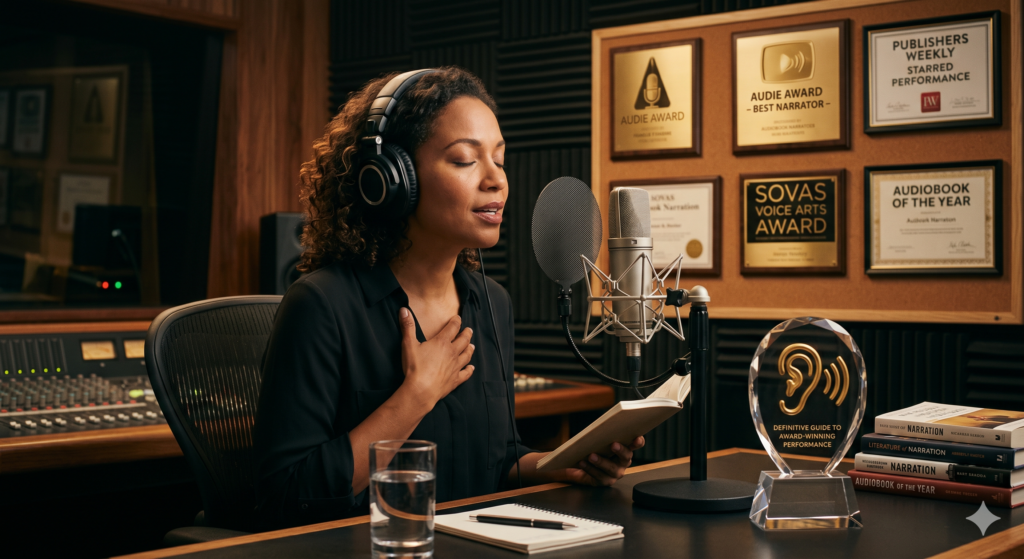
Moreover, indie producers emphasize intimate recording sessions, often in acoustically treated smaller studios rather than large-scale voiceover facilities. This setup allows for precise control over sound dynamics and reduces audio artifacts. The outcome is a narration that feels organic, capturing every breath and vocal inflection with clarity. Such production practices distinguish indie audiobooks from their mass-produced counterparts.
Audio Fidelity: Bitrate, Spatial Audio, and Technical Fine-Tuning
Sound quality remains a cornerstone of the indie audiobook advantage. Most giants settle for compressed audio files to minimize bandwidth, often at the expense of clarity. Independent platforms, however, prioritize higher bitrate encoding, typically offering 64 kbps or above in stereo formats. This enhances the richness of vocal textures and preserves subtle sound details, creating a more engaging soundscape.
Spatial audio integration also sets indie platforms apart. By including binaural recording techniques or rendering audio in formats like Dolby Atmos, they provide an immersive sense of space and directionality. This technique allows listeners to perceive sound placement, which adds layers of realism and emotional impact. For example, background environmental sounds or character dialogues positioned spatially improve story immersion dramatically.
The Audiobook Quality Framework introduced here assesses technical aspects across four categories: bitrate, spatiality, noise floor, and mastering consistency. Indie productions consistently excel, maintaining low noise floors and balanced mastering that prevents listener fatigue. This meticulous approach to sound engineering means listeners experience audiobooks that feel more like live performances than digital reproductions. These technical qualities contribute significantly to why indies outperform giants.
Soundscapes and Foley: Crafting a Richer Audiobook Environment
A defining feature of many independent audiobooks is their use of subtle soundscapes and foley effects to enrich the narrative atmosphere. While large platforms often avoid additional audio elements to reduce production complexity, indie producers embrace them to create a sensory backdrop that complements the narration. Carefully integrated ambient sounds—whether footsteps, rustling leaves, or distant city noise—frame scenes vividly without overwhelming the voice.
These soundscapes serve two artistic purposes: they anchor listeners in the story’s setting and heighten emotional resonance. For literary fiction or mystery genres, foley work can underscore tension or mood shifts effectively. Independent producers collaborate closely with sound designers who capture and layer these elements with precision, using multi-track recording and mixing techniques.
This commitment to sonic detail supports the Narrative Immersion Scale’s engagement consistency criterion. When environmental sounds align seamlessly with narration, they sustain listener interest and provide an experience closer to theatrical storytelling. It also allows indie audiobooks to distinguish themselves in a crowded market, appealing especially to listeners who value high production values and atmospheric depth.
The Rise of Immersive Audio: Why Indies Outperform Giants in 2026
The Emotional Impact of Storytelling Through Audio Innovation
Independent platforms lead in crafting emotionally engaging narratives by leveraging audio innovation. Their narrators and producers consider the emotional arc carefully, adjusting vocal intensity and ambient sound to mirror the story’s progression. This approach contrasts with the one-size-fits-all style often seen in larger platforms, where efficiency sometimes trumps emotional nuance.
The Narrative Immersion Scale helps explain this success. Indies excel in “emotional depth” and “engagement consistency,” showing that when narration and sound design work synergistically, listeners experience the story on a more personal level. For example, during moments of heightened drama, the pacing may slow to capture pauses and sighs, while subtle background noises cue the listener’s subconscious mind into the scene’s mood.
This focus on emotional connection extends to genre-specific approaches. Romance audiobooks from indie platforms often emphasize vocal warmth and softness, while thrillers use sharper pacing and tense soundscapes. This tailored emotional design encourages listeners to remain deeply invested, fostering loyalty and repeat engagement unlike the passive consumption seen on bigger sites.
Adaptive Listening Experiences and Personalized Soundscapes
Another factor behind the indie surge is the development of adaptive audio experiences. Independent platforms experiment with customizable sound settings, allowing listeners to adjust narration speed, ambient sound presence, and spatial audio intensity. This flexibility caters to individual preferences and listening environments, increasing satisfaction and accessibility.
Personalized soundscapes also play a role. Indie producers often offer genre-tailored or even scene-specific mixes. For example, a fantasy audiobook might include faint musical motifs or environmental sounds selectively enabled by the listener. This variability adds a layer of interactivity missing in the giants’ uniform offerings.
Furthermore, indie platforms are adopting emerging audio technologies such as 3D audio rendering and AI-driven sound mixing to enhance immersion subtly. These tools allow producers to create dynamic environments where sound evolves with the narrative, lending a cinematic quality to the listening experience. The giants are slower to embrace these innovations, often constrained by scale and legacy systems.
Community and Curation: A Human Touch in Audio Selection
Indie audiobook platforms prioritize community engagement and curated content, which cultivates closer connections between creators and listeners. Unlike giants that rely heavily on automated algorithms, independents foster human curation based on expert taste and listener feedback. This results in highly selective catalogs focusing on quality over quantity.
Narrators and producers actively engage with audiences through forums, live Q&As, and behind-the-scenes content. This transparency builds trust and deepens appreciation for the craft behind each audiobook. Independent platforms also champion niche genres and emerging voices, offering listeners fresh perspectives often overlooked by mass-market giants.
This human touch extends to quality assurance. Indie teams frequently update productions based on direct listener evaluations using the Listener’s Evaluation Checklist. This structured feedback loop ensures continuous improvement in narration clarity, sound balance, and emotional delivery. Such responsiveness contrasts with the slower, less personalized processes of corporate platforms and contributes to the indie rise.
Listener’s Evaluation Checklist
| Criterion | Description | Rating (1-5) |
|---|---|---|
| Narration Clarity | Voice is clear, words are easily understood | |
| Emotional Engagement | Narrator conveys appropriate emotion | |
| Sound Quality | Audio is free from noise and distortion | |
| Pacing | Story flows naturally without awkward pauses | |
| Ambient Sound Balance | Background sounds enhance without distraction | |
| Spatial Audio Effect | Directionality adds realism | |
| Overall Immersion | Listener feels fully engaged |
Conclusion – Independent Audiobook Platforms
The rise of independent audiobook platforms in 2026 marks a significant shift in how stories are told and experienced through audio. Their emphasis on narration excellence, superior sound quality, and immersive production techniques sets them apart from larger competitors. By focusing on emotional resonance, adaptive audio, and community curation, indies offer listeners a richly textured and deeply personal journey. As audio technology continues to evolve, these platforms will likely maintain their edge by embracing innovation with artistic sensitivity. For any serious audiobook listener or producer, the indie rise is a signal that quality and craft remain paramount in storytelling.