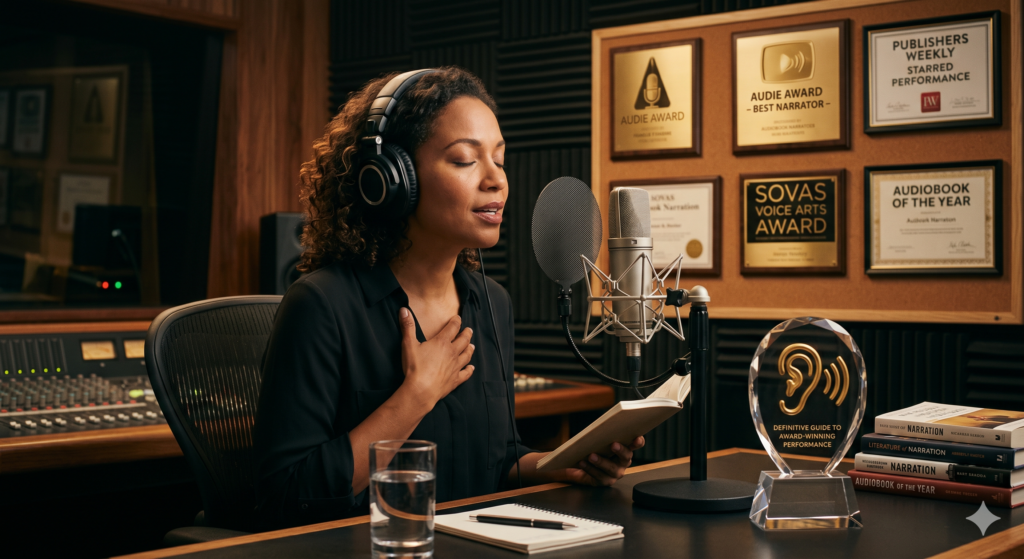
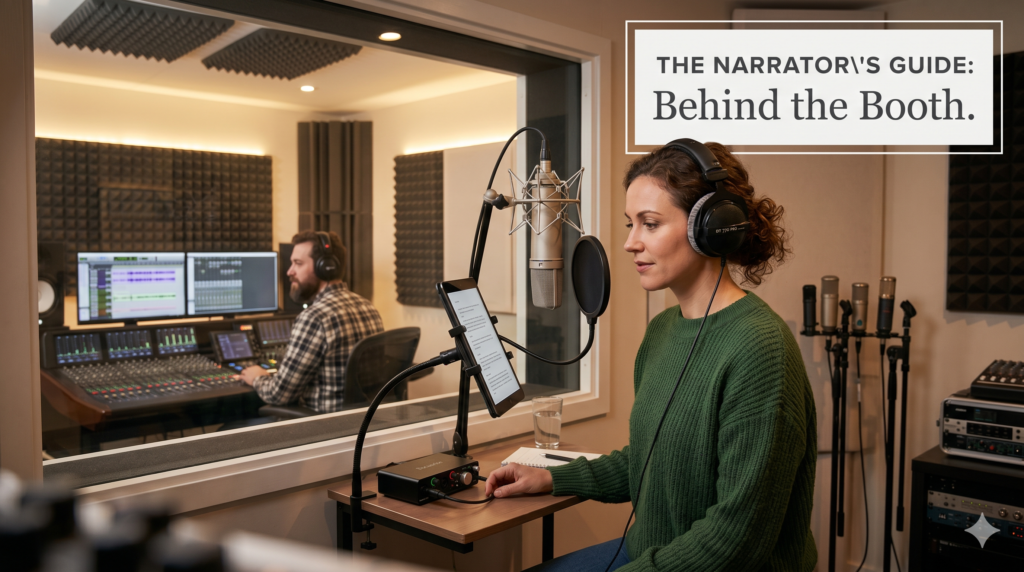
Public domain audiobooks offer a unique gateway to literature’s timeless treasures. Among these resources, LibriVox stands as a colossal archive where volunteers worldwide narrate works free of copyright restrictions. For listeners seeking quality and immersion, LibriVox’s collection is a treasure trove. However, uncovering the best recordings requires a discerning ear and knowledge of audio production subtleties. This article explores The Hidden Gems of LibriVox’s public domain catalog, focusing on narration art, technical fidelity, and emotional storytelling that transforms classic texts into vibrant auditory experiences.
Exploring LibriVox’s Top Public Domain Audiobooks for Quality Listening
The Gold Standard in Public Domain Narration
LibriVox’s open volunteer model presents both opportunities and challenges. With thousands of audiobooks, quality varies significantly. However, the platform houses recordings that rival professional productions. Titles like Pride and Prejudice by Jane Austen and The War of the Worlds by H. G. Wells exemplify how volunteer narrators can produce compelling performances. These narrators often bring personal passion and respect for the text, which enriches their delivery. The key to identifying standout audiobooks lies in understanding vocal tone, pacing, and emotional resonance.
Listeners should prioritize narrators who modulate their voices skillfully, avoiding monotony. Acoustic clarity and minimal background noise also indicate high production standards. Additionally, many of these top-tier recordings benefit from post-processing techniques such as noise reduction and volume normalization. This technical polish helps create an immersive experience that draws listeners deeply into the story. The best LibriVox gems balance human warmth with audio precision.
Hidden Gems: Underrated Classics Worth Discovering
While canonical works attract the most attention, some lesser-known titles on LibriVox deserve recognition. For example, Flatland by Edwin Abbott offers not only an intriguing narrative but also superb narration that captures the book’s satirical tone. Similarly, Erewhon by Samuel Butler delivers complex themes through a voice that expertly balances irony and seriousness. These recordings often fly under the radar because they belong to niche genres or authors outside the mainstream literary canon.
Exploring these hidden gems broadens a listener’s appreciation of public domain literature. It also rewards patient listeners with unique perspectives and storytelling styles. When searching for gems, consider the narrator’s ability to render complex language accessible without sacrificing nuance. These qualities distinguish recordings that transform a simple read into a memorable encounter with literary art.
Criteria for Evaluating Public Domain Audiobooks
Building a personal framework to evaluate LibriVox recordings enhances the listening experience. The Audiobook Quality Framework I propose focuses on three pillars: narration artistry, audio fidelity, and narrative immersion. Narration artistry examines vocal dynamics, character differentiation, and emotional authenticity. Audio fidelity assesses bitrate, tonal balance, background noise, and editing quality. Narrative immersion evaluates how well the recording captures the mood and pacing of the original text.
Listeners can assign scores or checkboxes to each pillar, helping them filter recordings that meet high standards. This method also encourages a more active form of listening, deepening appreciation for the craft behind public domain audiobooks. By applying this structured approach, one can sift through vast collections and consistently locate the best non-copyrighted recordings for sustained enjoyment.
Narration Techniques and Audio Fidelity in Classic Recordings
Vocal Dynamics and Emotional Impact
Narration is an art form that extends beyond reading text aloud. Skilled narrators use vocal dynamics to convey character emotions, setting atmospheres, and narrative tension. For example, subtle changes in pitch, volume, or pace can signal shifts in mood or highlight pivotal moments. When narrators employ these techniques effectively, they create an intimate connection between the listener and the story.
One hallmark of excellent LibriVox recordings is the deliberate use of pauses and inflection. These elements allow the listener to absorb complex ideas or savor poetic passages. Conversely, monotone delivery tends to flatten the experience. When exploring classic public domain audiobooks, pay attention to how narrators handle dialogue and descriptive prose differently. Narrators who excel often switch their tone to match various characters, enriching the storytelling texture.
Technical Specifications: Bitrate, Editing, and Soundscape
Audio fidelity plays a crucial role in listener engagement. LibriVox recordings vary in bitrate, often between 32 kbps and 128 kbps MP3 formats. While higher bitrates generally improve clarity, well-edited 64 kbps files can still offer excellent listening quality. Beyond bitrate, editing practices such as noise gating, equalization, and fade-ins/outs contribute to a cleaner sound.
Soundscapes or subtle ambient effects are rare in LibriVox projects but can elevate the listening experience when present. Some narrators or projects experiment with gentle background sounds to evoke settings, such as rustling leaves in nature scenes. These touches, when balanced correctly, enhance immersion without distracting from the narration. Overall, a polished technical presentation supports the emotional delivery and sustains listener focus.
| Technical Aspect | Ideal Range/Practice | Effect on Listening Experience |
|---|---|---|
| Bitrate | 64-128 kbps MP3 | Clearer audio, less distortion |
| Noise Reduction | Minimal background noise | Reduces distractions, improves clarity |
| Editing | Smooth transitions, trims | Maintains flow, removes unwanted sounds |
| Ambient Soundscapes | Subtle, contextually relevant | Adds atmosphere, deepens immersion |
The Narrative Immersion Scale: Measuring Listener Engagement
To quantify how well a recording engages listeners, I introduce the Narrative Immersion Scale (NIS). This scale evaluates three dimensions: Vocal Expression, Audio Fidelity, and Storytelling Flow. Each dimension scores from 1 (poor) to 5 (excellent), with an aggregate score out of 15.
- Vocal Expression: Measures how varied and emotionally resonant the narration is.
- Audio Fidelity: Assesses technical sound quality and consistency.
- Storytelling Flow: Evaluates pacing, clarity, and narrative coherence.
This scale aids listeners in identifying which LibriVox recordings stand out. For example, a recording of Dracula with clear character voices, clean audio, and smooth pacing might score 14/15. By contrast, one with flat narration and ambient noise might score below 8. The NIS encourages critical listening and helps set expectations when exploring public domain audiobooks.
Expert Listener FAQ
What is the impact of Dolby Atmos on audiobook production?
Dolby Atmos offers spatial audio that places sounds around the listener in a three-dimensional field. For audiobooks, this technology can create an immersive experience, especially in genres like fantasy or thriller. However, most LibriVox recordings lack Atmos mixing due to volunteer resources and production constraints. Professional audiobooks increasingly adopt Atmos to heighten realism, but its benefits are limited if narration clarity suffers. Balancing Atmos effects with vocal prominence remains a key challenge for producers exploring this format in storytelling.
How do narrators balance pacing with the original text’s rhythm?
Effective narrators respect the pacing inherent in the text, neither rushing through nor dragging the narration. They often parse sentences to allow natural breathing and emphasize critical phrases. Pacing adapts to genre: faster for action, slower for contemplative passages. Skilled narrators internalize the text’s rhythm, using timing to build tension or provide relief. This balance ensures that listeners remain engaged without feeling overwhelmed or bored, crucial for sustaining long listening sessions.
What role does vocal fry play in audiobook narration?
Vocal fry, a creaky low pitch, can add texture or realism when used sparingly. Narrators may employ it to convey fatigue, menace, or intimacy. However, excessive vocal fry can irritate listeners or distract from the story. In public domain recordings, vocal fry varies widely due to narrator idiosyncrasies. Training and careful direction help professionals use this technique tastefully to enhance character portrayal without diminishing audio quality.
How important is sound editing in volunteer-based audiobook projects?
Sound editing is pivotal in maintaining listening comfort and immersion. Volunteer projects often face challenges such as inconsistent recording environments and equipment. Editing addresses background noise, uneven volumes, and timing mistakes. Efficient editing transforms raw recordings into polished audiobooks. Some volunteer teams collaborate to share editing expertise, raising overall quality. Without proper editing, narration risks becoming fatiguing, causing listeners to disengage.
Can ambient noise improve or worsen audiobook experiences?
Ambient noise can deepen immersion if subtle and contextually appropriate, such as wind in a forest scene. However, intrusive or unrelated sounds disrupt concentration and frustrate listeners. Most successful public domain audiobooks maintain a clean sound profile, prioritizing voice clarity. When ambient sound is added, it should complement rather than compete with narration. This balance requires skillful mixing and awareness of narrative tone.
How do different narrator styles affect genre-specific listening metrics?
Narrator styles influence listener retention and engagement across genres. For example, dramatic readings with varied voices suit fantasy or horror, increasing emotional impact. Conversely, straightforward, clear narration may serve nonfiction better, aiding comprehension. Listener surveys show that exaggerated character voices can polarize audiences in classics, while naturalistic delivery often appeals broadly. Matching narrator style to genre expectations enhances both enjoyment and comprehension.
What equipment is optimal for high-quality home recordings?
High-quality home recordings require a condenser microphone with a flat frequency response, a quiet room, and an audio interface that supports 24-bit/48kHz capture. Pop filters and acoustic treatments reduce plosives and echo. USB microphones like the Audio-Technica AT2020USB+ or XLR setups via Focusrite Scarlett interfaces are popular choices. Proper gain staging and monitoring prevent distortion. Volunteer narrators upgrading equipment often see immediate improvements in audio fidelity.
How does narrative immersion affect emotional reception?
Higher narrative immersion correlates strongly with emotional engagement. When listeners feel transported into a story, they experience deeper empathy and recall. The narrator’s ability to convey subtle feelings through tone and pacing invites this immersion. Audio fidelity also plays a foundational role; poor sound quality disrupts focus and diminishes emotional impact. Measuring and striving for immersion ensures that audiobooks fulfill their storytelling potential.
Conclusion:
LibriVox’s public domain audiobooks offer a rich, accessible archive worthy of careful exploration. The best recordings combine narration artistry, technical finesse, and immersive storytelling to breathe new life into classic texts. By applying frameworks like the Audiobook Quality Framework and Narrative Immersion Scale, listeners can navigate the vast selection with confidence. Whether rediscovering acclaimed classics or uncovering hidden gems, these non-copyright audiobooks prove that quality and passion often transcend budget and professional stature. For those willing to listen critically and patiently, LibriVox remains an invaluable resource for literary and auditory enjoyment.