
Audiobooks have transformed the way we consume stories, offering immersive experiences that blend narrative artistry and technical audio mastery. Many avid listeners, however, hesitate to invest in premium titles due to cost or access challenges. Fortunately, UK public libraries provide a remarkable, completely legal method to borrow premium audiobooks for free. This article explores how to Borrow Premium Audiobooks to take advantage of these hidden gems, focusing on the quality, narration, and technical production nuances that elevate library audiobooks beyond mere convenience. As a senior audio producer and literary critic, I will guide you through the best practices and expert considerations that ensure an engaging and rich listening journey.
Understanding UK Library Audiobook Services and Access Methods
The Framework of UK Library Audiobook Lending
UK libraries have long been custodians of literature, adapting over time to include digital services that cater to modern consumption habits. The introduction of audiobook lending in digital formats has transformed libraries into audio hubs, where patrons can access thousands of titles without charge. Services like OverDrive/Libby, BorrowBox, and RBdigital form the backbone of this system, partnering with library authorities to offer both classic and premium audiobooks.
The key advantage lies in the licensing agreements libraries establish with publishers. These agreements allow libraries to purchase digital copies or licenses that users borrow under a timed lending model, similar to physical books. This means you can enjoy best-selling and new-release audiobooks legally, without subscription fees or hidden costs. Such arrangements ensure access is both free for the user and financially sustainable for libraries.
In practice, borrowing an audiobook involves downloading a dedicated app, verifying your library membership, and selecting from an extensive catalog. Your loan period typically ranges between 7 to 21 days, depending on local policies. The process is streamlined, designed for accessibility across smartphones, tablets, and desktop platforms, making premium audiobooks digitally accessible anywhere in the UK.
Navigating Access: Apps and Registration
Accessing UK library audiobooks requires a simple yet crucial step: registering with your local library. Many councils provide online registration for residents, granting immediate digital rights upon account activation. If you already have a library card, you only need to connect it to an app like Libby or BorrowBox.
The Libby app by OverDrive is widely used and offers an intuitive interface, allowing users to browse, borrow, and download audiobooks with minimal friction. BorrowBox, favored by some regional services, boasts a strong catalogue of regional authors and indie publishers, while RBdigital provides additional audiobooks and magazines.
Each platform uses digital rights management (DRM) to protect publisher content while ensuring ease of use for borrowers. You can typically stream or download titles for offline listening. The apps support multiple devices, syncing your place in the audiobook, bookmarks, and annotations. This seamless integration is a testament to how libraries have embraced technology without sacrificing user experience.
How Libraries Source Premium Titles
One might wonder how libraries afford to stock premium audiobooks without charging fees. The answer lies in the careful negotiation and bulk licensing. Libraries purchase licenses, sometimes at discounted institutional rates, allowing multiple concurrent loans or limited copies per title. Publishers like Penguin Random House, HarperCollins, and Audible supply a steady stream of new releases and popular genres.
Libraries also benefit from consortia purchasing, where several library authorities join forces to negotiate better deals. This collaborative model ensures a wider selection without excessive duplication. Furthermore, some titles are available under perpetual licenses, meaning the library owns the audiobook outright and can lend it indefinitely.
Another factor is the growing support for independent publishers and authors who often partner with libraries to expand their reach. This dynamic enriches the catalogue with diverse voices and niche genres that may not be mainstream but offer exceptional narrative quality.
Evaluating Audio Quality and Narration in Library Audiobooks
The Audiobook Quality Framework: A Technical Perspective
When assessing library audiobooks, it is vital to consider production values, which directly impact listener immersion. I developed the Audiobook Quality Framework to evaluate such factors systematically:
| Criterion | Description | Ideal Benchmark |
|---|---|---|
| Bitrate | Audio data rate affecting clarity and depth | 64–128 kbps (MP3/AAC) |
| Narration Pacing | Speed of speech relative to content and emotional tone | Dynamic, adjusted per scene |
| Vocal Clarity | Absence of vocal fry, stammering, or distracting breaths | Crisp, controlled vocal delivery |
| Soundscapes & Effects | Use of subtle background sounds enhancing atmosphere | Balanced, non-intrusive |
| Spatial Audio | Stereo or binaural effects creating immersive placement | Clear left-right channel separation |
Library audiobooks routinely meet these technical standards, often rivaling commercially purchased audiobooks. Bitrates usually sit between 64 and 128 kbps in MP3 or AAC formats, balancing file size with fidelity. This range is sufficient to capture vocal nuances, avoiding muffled or tinny sound common in low-bitrate files.
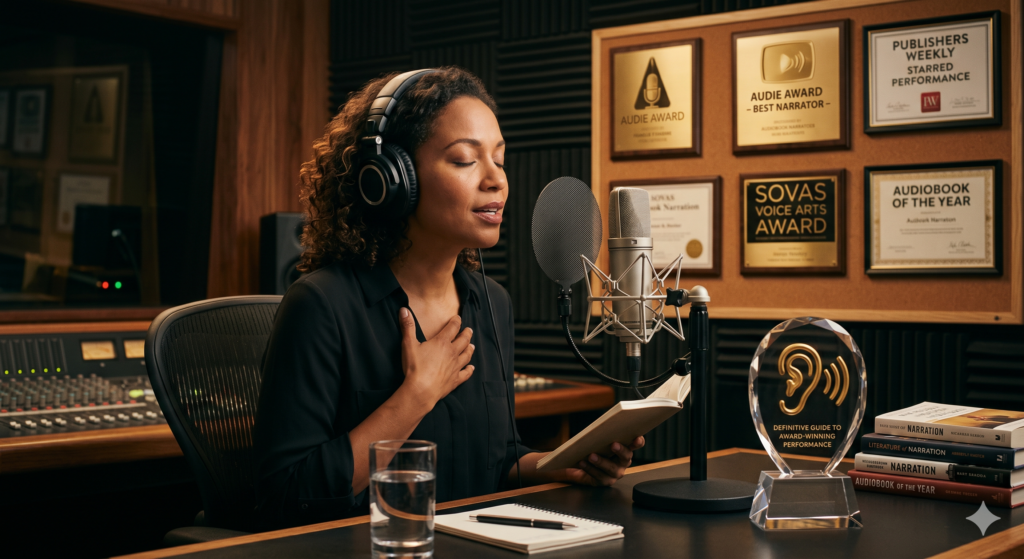
Narrators employed for library editions are professional voice actors skilled at modulating pace and tone. They avoid monotony by varying cadence to match narrative developments. Some productions include light soundscapes, such as subtle environmental noises that enhance immersion without distracting from the voice.
Narrator Styles and Their Emotional Impact
The choice of narrator profoundly shapes the listener’s emotional connection. In library collections, you will encounter a spectrum of styles ranging from dramatic single narrators to multi-voice performances. Dramatic narrators modulate tone to convey character emotions and shifts in mood, while multi-voice performances layer several actors to simulate dialogue realistically.
To illustrate, here is a comparison of common narrator styles found in library audiobooks:
| Narrator Style | Characteristics | Emotional Impact | Best Genres |
|---|---|---|---|
| Single Dramatic | One voice, wide emotional range | Deep empathy, personal intimacy | Literary fiction, memoirs |
| Multi-Voice Cast | Separate voices for characters | Enhanced realism, theatrical feel | Fantasy, thrillers, dramas |
| Author Narration | Narrator is the author | Authenticity, personal connection | Non-fiction, biographies |
| Conversational Style | Casual, sometimes informal tone | Relatable, light-hearted | Contemporary fiction, romance |
Library audiobooks often emphasize clarity and emotional resonance. The actors minimize distracting vocal fry or breathiness, favoring clear enunciation and a warm tone. This allows listeners to fully absorb the text’s narrative arc and emotional nuances without distraction.
Audio Fidelity and Immersion: The Role of Spatial Elements
While many library audiobooks stick to a traditional mono or stereo mix, some high-profile titles incorporate spatial audio techniques to deepen immersion. Spatial audio, including binaural sound design, places sounds around the listener in three-dimensional space, making scenes feel immediate and real.
For example, in a thriller audiobook, footsteps may move from the left channel to the right, simulating a character’s movement and creating tension. Background ambiances, such as rain or city noise, can fill the stereo field softly, grounding the story world.
However, libraries tend to preserve a balance that prioritizes narration clarity over elaborate sound design. Overuse of sound effects or spatial tricks can detract from story comprehension, especially on less sophisticated listening devices. Therefore, the best productions maintain restrained, purposeful use of spatial audio, ensuring the narrator’s voice remains the focal point.
Conclusion -How to Borrow Premium Audiobooks Through Your Local UK Library
Borrowing premium audiobooks through your local UK library is an elegant, cost-effective way to access richly produced, expertly narrated stories. Understanding the platforms, production nuances, and narrator styles allows you to maximize your listening experience. Libraries continue to bridge traditional literary culture with digital innovation, providing high-quality audio storytelling freely and legally. By tapping into this resource, you not only save money but also support a sustainable model that promotes literary arts and audio excellence. Embrace your local library as a gateway to premium audiobooks and savor the rich emotional and sonic textures they offer.