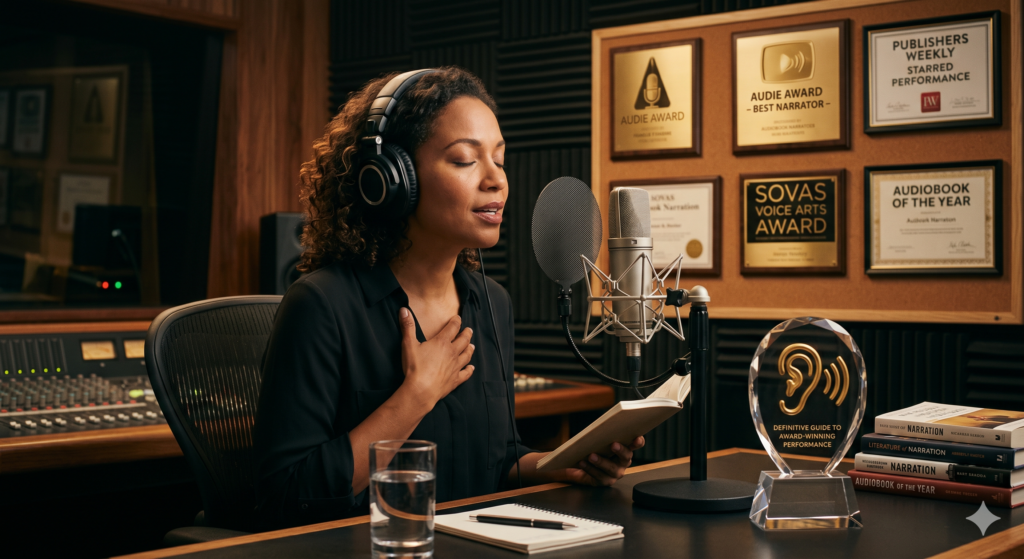
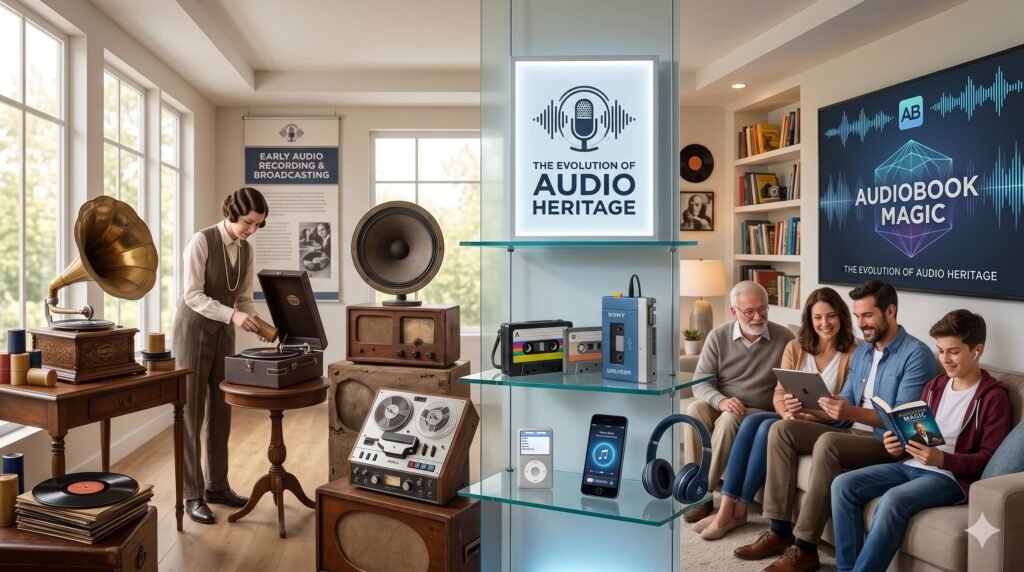
The art of audiobook narration has evolved into a sophisticated craft that captivates millions. As audiobook listeners grow more discerning, production quality and narration artistry have become crucial to the listening experience. In this guide, we explore the key factors behind award-winning audiobook performances celebrated at the 2026 Audio Oscars. From vocal techniques to audio fidelity, this article provides an in-depth examination of the elements that define excellence in audiobooks today.
Exploring the Artistry Behind Award-Winning Audiobook Narration
The Role of the Narrator in Bringing Stories to Life
Narrators do far more than read text aloud. They breathe life into characters, setting, and emotion. An award-winning narration transforms written words into an immersive audio journey. Skilled narrators embody multiple roles by adapting tone, pace, and pitch seamlessly. Their ability to convey subtle emotions builds a connection with listeners that extends beyond the printed page.
Successful narrators master vocal dynamics, from whispered confessions to powerful declarations. They use pacing strategically, slowing for dramatic effect and speeding up to build tension. This emotional range is a hallmark of Audio Oscar winners. The best narrators also maintain a clear and engaging voice, ensuring accessibility without sacrificing artistic nuance.
Listeners appreciate narrators who respect the author’s intent while adding a unique interpretive layer. This balance between fidelity to the text and creative expression defines the artistry judged at audiobook awards. It is a craft that requires both natural talent and rigorous practice, making narration an indispensable part of the audiobook ecosystem.
Character Differentiation and Emotional Authenticity
One of the most challenging skills for narrators is creating distinct voices for multiple characters. Award-winning performances showcase clear differentiation without resorting to caricatures. Subtle shifts in accent, pitch, or rhythm bring characters to life without overwhelming the story’s flow.
Emotional authenticity is equally important. Narrators must inhabit the mindset of each character, expressing their fears, joys, and conflicts with sincerity. When done well, this emotional depth evokes empathy and fosters a stronger listener connection. In 2026, the Audio Oscars have increasingly recognized performances where emotional truth resonates as powerfully as technical skill.
Vocal fry, breath control, and timbre modulation are tools narrators use to convey vulnerability or strength. Thoughtful use of these elements enhances the listener’s experience by adding texture and realism. The artistry lies in knowing precisely when and how much to apply these vocal nuances.
The Impact of Narrative Pacing and Timing
Pacing does more than control speed. It shapes the listener’s psychological engagement with the story. Award-winning narrators use pacing to build suspense, allow reflection, or energize action sequences. Timing also includes well-placed pauses that let moments breathe and intensify meaning.
The most celebrated audiobook performers understand narrative rhythm as a musical cadence. They recognize when to accelerate, when to linger, and how to maintain momentum. This dynamic pacing keeps listeners hooked and heightens emotional impact. Judges at the Audio Oscars pay close attention to these timing choices, as they significantly affect narrative immersion.
Moreover, pacing adjustment varies by genre. Thrillers often benefit from brisk tempos, while literary fiction may require slower, more contemplative delivery. The ability to adapt pacing thoughtfully to the text’s demands distinguishes top-tier narration from the rest.
Key Audio Production Elements That Elevate Storytelling
Audio Fidelity and Bitrate: The Backbone of Immersion
High audio fidelity is fundamental for an award-winning audiobook. It ensures clarity, warmth, and presence, allowing listeners to hear every vocal inflection and ambient detail. Bitrate plays a critical role in achieving this clarity; a higher bitrate preserves audio quality, making the narration sound rich and natural.
In 2026, most Audio Oscar nominees use bitrates of 192 kbps or higher, with some embracing lossless formats for premium releases. This technical choice enhances the subtle textures of voice and soundscapes. Listeners notice when audio feels compressed or flat, which diminishes immersion.
Producers focus on minimizing background noise, removing clicks and pops, and balancing volume levels during post-production. Clean, clear sound supports the narrator’s performance instead of competing with it. Audio fidelity is no longer a secondary concern but a defining factor in award considerations.
The Role of Spatial Audio and Soundscapes – Award-Winning Audiobook Performances
Spatial audio has emerged as a powerful tool to elevate audiobook storytelling. By creating a three-dimensional sound environment, producers place listeners inside the scene. This technique adds depth, making voices seem to move around or behind the listener, enriching the narrative experience.
Soundscapes such as subtle background sounds, ambient noise, or location effects complement narration without overpowering it. They provide context and atmosphere, turning a simple reading into an immersive world. At the 2026 Audio Oscars, sound design is increasingly recognized as a vital aspect of production.
However, spatial audio requires careful calibration. Overuse can distract or fatigue the listener. The best productions use it sparingly and purposefully, enhancing key moments rather than overwhelming the story. This balance exemplifies the Audiobook Quality Framework, which prioritizes immersive but unobtrusive sound design.
Vocal Fry, Pacing, and Dynamic Range in Audio Delivery
Vocal fry, often misunderstood, is an artistic choice in audiobook narration. When applied subtly, it adds texture and emotional weight, especially in moments of tension or introspection. Its use in award-winning performances is deliberate and enhances authenticity.
Pacing, as previously discussed, relies heavily on dynamic range. Variation in volume and intensity keeps listeners engaged. A monotone or flat delivery risks boredom, but a well-modulated voice can convey excitement, sadness, or anger effectively. The Narrative Immersion Scale measures this dynamic range as a key indicator of listener engagement.
Producers and narrators collaborate closely to ensure that the recording captures these vocal nuances without distortion or unnatural compression. The layering of vocal techniques and production finesse contributes to the emotional resonance that sets Audio Oscar winners apart.