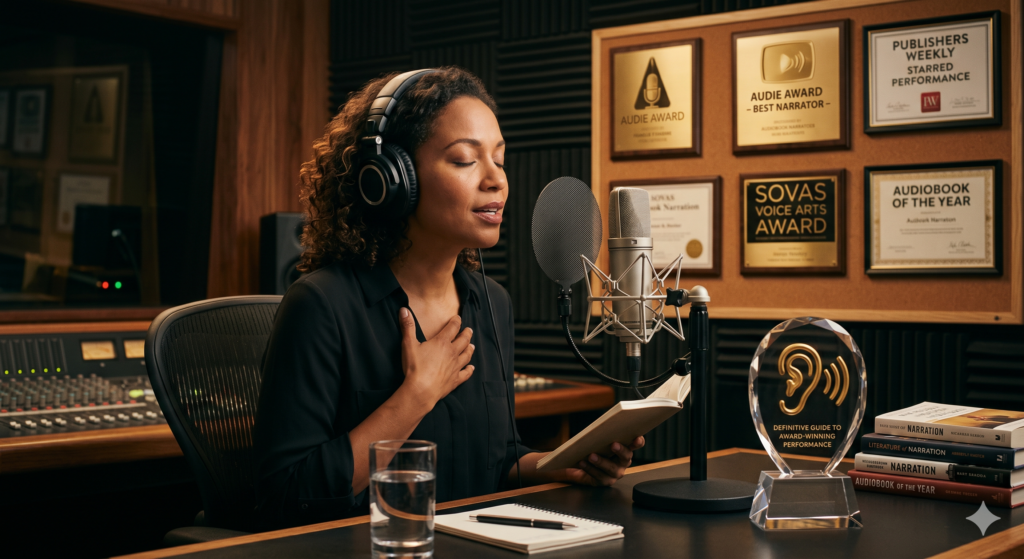

Hybrid reading, the combined experience of visual and auditory storytelling, has become the preferred mode for many literary enthusiasts. The rise of e-readers equipped with Bluetooth audio capabilities opens new doors for immersive engagement. In 2026, this synergy between text and sound presents unique opportunities and challenges for audiophiles and readers alike. This review examines the best e-readers on the market that deliver seamless Bluetooth audio integration, focusing on production quality, narration fidelity, and user experience.
Top E-Readers in 2026: Bluetooth Audio Meets Hybrid Reading
The Evolution of Hybrid Reading Devices
Hybrid reading devices have evolved considerably since their inception. By 2026, manufacturers have shifted from mere text display to fully integrated multimedia platforms. E-readers now offer Bluetooth-enabled audio playback that allows users to switch effortlessly between reading and listening. This capability, paired with high-resolution e-ink screens, ensures that the eyes are not fatigued while ears absorb rich storytelling elements. The convergence of these technologies caters to multitasking listeners and those with accessibility needs.
Among the leading contenders, devices like the Kindle Oasis Pro, Kobo Elipsa Sound, and PocketBook InkPad Harmony stand out. Each offers high-quality Bluetooth audio support, robust battery life, and ergonomic designs that facilitate long reading sessions. These models emphasize hybrid flexibility, enabling users to customize their experience—whether that means syncing a favorite audiobook narrator or listening to author interviews alongside the text.
The rise of Bluetooth audio in e-readers has also influenced content delivery. Publishers now optimize audiobooks for low-latency streaming, reducing sync issues between text and narration. This trend enhances user satisfaction and supports the growing demand for immersive audio experiences. In 2026, hybrid reading is not just about convenience; it is about elevating storytelling through carefully curated audio-text pairings.
Connectivity and User Interface Innovations
Bluetooth integration requires meticulous attention to interface design. Smooth pairing, reliable connection stability, and intuitive controls define the user experience. Leading e-readers incorporate easy Bluetooth device management, with one-touch pairing and automatic reconnection. These features reduce friction for users who frequently switch headphones or speakers.
Another critical aspect is the inclusion of dual audio streams. For example, Kobo Elipsa Sound allows users to listen to ambient soundscapes while the narrator reads the text. This layered listening approach enhances immersion and emotional resonance. Meanwhile, PocketBook InkPad Harmony supports simultaneous connections to multiple Bluetooth devices, enabling users to share audio with a companion or switch between speakers and headphones seamlessly.
The software experience is equally important. Navigation within audiobooks, such as variable playback speeds, bookmarking, and chapter skipping, is optimized for hybrid reading. Subtle haptic feedback and clear visual indicators provide users with precise control. In 2026, successful e-readers combine hardware prowess with software finesse to offer a holistic sensory experience that satisfies both readers and listeners.
Battery Life and Portability
One of the biggest challenges with hybrid e-readers is balancing battery consumption between the e-ink display and Bluetooth audio modules. Modern devices have made significant strides in power efficiency. For instance, the Kindle Oasis Pro features a dedicated low-power Bluetooth audio chip that minimizes battery drain during extended listening.
Portability remains a priority, as hybrid readers want devices that accompany them on commutes, travels, or long reading retreats. Slim profiles and lightweight construction are standard among top models, without sacrificing screen size or audio quality. Advances in energy-dense batteries and quick-charging technologies allow users to enjoy hybrid reading for days on end with minimal downtime.
The integration of audio codecs also impacts battery life. Support for efficient codecs like aptX Adaptive or LDAC balances high-fidelity sound transmission with reasonable power consumption. These technical improvements help hybrid e-readers maintain their appeal as practical tools for immersive literary consumption throughout the day.
Evaluating Sound Quality and Narration Integration Features
Understanding Audio Fidelity in Hybrid Readers
In hybrid reading, sound quality transcends mere volume and clarity. The production nuances—such as bitrate, dynamic range, and spatial audio—shape listener engagement. High bitrate audio preserves subtle vocal inflections and background soundscapes, which are crucial for emotional impact. Devices like the Kobo Elipsa Sound deliver 320 kbps Bluetooth streams, ensuring narrators’ voices come through rich and textured.
Spatial audio technology has become a benchmark for premium e-readers. It creates a 3D soundstage that places the listener inside the story world. This feature is particularly effective for genres like fantasy or thrillers, where environmental sounds enhance tension or wonder. PocketBook InkPad Harmony’s support for binaural audio demonstrates how hybrid readers can simulate immersive atmosphere without external speakers.
However, fidelity is also affected by the Bluetooth codec and hardware quality. AptX HD and LDAC codecs allow high-resolution audio transmission over wireless connections. When paired with well-engineered DACs (digital-to-analog converters), hybrid e-readers can rival dedicated audiobook players. For users who prioritize sound, selecting a device with premium codec support is essential.
The Art of Narration Integration
Narration quality is a key pillar of hybrid reading immersion. The relationship between text pacing and vocal delivery demands precise synchronization. Advanced e-readers now incorporate real-time text-audio alignment, which highlights words or sentences as they are read aloud. This feature not only aids comprehension but also accentuates the narrator’s emotional cues.
Narrators’ performances vary widely in style. Some use conversational tones with natural pacing, while others employ dramatic emphasis and character differentiation. Our Narrative Immersion Scale evaluates narrators based on vocal clarity, emotional expressiveness, and pacing fluidity. Hybrid e-readers that allow users to adjust playback speed without distortion further enrich this experience, accommodating different listener preferences.
Hybrid reading also benefits from supplementary sound elements like subtle sound effects or ambient music mixed into the narration. These elements, when balanced skillfully, heighten immersion without distracting from the text. Devices supporting multiple audio channels enable the layering of narration and soundscapes, offering an enriched storytelling canvas.
Technical Challenges and Solutions in Audio Sync
One of the persistent challenges in hybrid reading is maintaining perfect synchronization between text and audio. Lag or misalignment can disrupt immersion and cause frustration. Manufacturers have introduced adaptive buffering algorithms that dynamically adjust streaming rates to suit network conditions and device performance.
Bluetooth latency can also affect sync, especially when using wireless headphones with inherent delays. Top-tier e-readers mitigate this by employing low-latency Bluetooth protocols combined with proprietary audio stream management. These technical advances reduce perceptible delays, ensuring the narration matches the text presentation closely.
Developers have also invested in error correction techniques for audiobook files. Enhanced metadata tagging allows e-readers to better index chapters, pauses, and intonation cues. This refinement leads to smoother navigation and more consistent user experiences. As hybrid reading evolves, these technical solutions will continue refining how readers connect with their stories.
The Narrative Immersion Scale: A Framework for Hybrid Listening
Components of the Scale
To assess hybrid reading experiences, I propose the Narrative Immersion Scale (NIS), a framework that breaks down immersion into four measurable components: Vocal Authenticity, Pacing Synchronization, Audio Quality, and Emotional Resonance. Each factor is scored on a 1 to 10 scale, providing a holistic picture of how effectively an e-reader supports audiobook narration.
Vocal Authenticity evaluates the narrator’s ability to sound natural and engaging. Pacing Synchronization measures how well the device aligns spoken words with on-screen text. Audio Quality assesses the clarity, fidelity, and spatial characteristics of sound reproduction. Emotional Resonance gauges how deeply the narration evokes feelings and atmosphere.
Using NIS, reviewers and listeners can compare devices and audiobook productions with a shared vocabulary. This model emphasizes the interplay of technical and artistic elements, underscoring that hybrid reading’s value lies in both hardware capabilities and narrative craftsmanship.
Applying NIS to Top 2026 Devices
Applying the Narrative Immersion Scale to the 2026 e-readers reveals nuanced strengths. The Kindle Oasis Pro scores highest in Pacing Synchronization due to its refined text highlighting and low-latency Bluetooth. Kobo Elipsa Sound excels in Audio Quality, thanks to its support for high-bitrate codecs and spatial audio rendering. PocketBook InkPad Harmony leads on Emotional Resonance, as its multi-channel audio support enriches soundscapes and narration depth.
Vocal Authenticity depends less on the device and more on audiobook production. However, e-readers that preserve nuance through high-fidelity playback enhance this attribute. Devices lacking codec support or with subpar hardware tend to flatten vocal textures, reducing immersion.
The NIS framework demonstrates that buyers should consider multiple dimensions when selecting hybrid e-readers. The best choice depends on personal priorities, such as clarity, emotional engagement, or smooth text-audio interaction.
Listener’s Evaluation Checklist
To aid consumers, here is a Listener’s Evaluation Checklist based on NIS principles:
| Criteria | Yes/No | Notes |
|---|---|---|
| Does the device support high-bitrate codecs (aptX HD, LDAC)? | ||
| Is text highlighting synchronized with audio playback? | ||
| Can playback speed be adjusted without pitch distortion? | ||
| Are ambient soundscapes or multi-channel audio supported? | ||
| Is Bluetooth connection stable with minimal latency? | ||
| Does the narrator’s voice maintain natural expressiveness? | ||
| Are navigation controls (bookmarking, chapter skip) intuitive? | ||
| Is battery life sufficient for extended hybrid reading sessions? |
This checklist helps listeners objectively evaluate hybrid reading devices, balancing technical performance with narrative quality.
Expert Listener FAQ
How does Dolby Atmos impact audiobook immersion on hybrid e-readers?
Dolby Atmos adds a spatial dimension to audio by enabling sound objects to move in a three-dimensional space. For hybrid e-readers, this technology can transform audiobook listening by simulating environments realistically. However, implementation is limited by hardware constraints, as e-ink devices require additional processors and compatible headphones. When available, Atmos enhances immersion by making scenes vivid through directional sound cues, but latency and battery consumption remain concerns.
What are the ethical considerations between human narrators and AI-generated voices?
Human narrators bring emotional authenticity and subtle vocal nuances that AI voices struggle to replicate. Ethical concerns arise when AI-generated narration replaces human labor, potentially reducing opportunities for voice artists. Listeners may perceive AI voices as mechanical or lacking warmth, affecting engagement. Transparency about narration origin and maintaining high production standards are essential to balance efficiency with artistic integrity.
How does Foley design influence modern fiction audiobooks?
Foley design incorporates everyday sounds created in a studio to add realism and depth to fiction audiobooks. Proper Foley work enriches scenes without overwhelming narration, enhancing the listener’s imagination. It requires careful mixing to avoid distraction, with attention to pacing and emotional tone. Well-executed Foley elevates storytelling by engaging multiple senses, making hybrid reading a fully immersive experience.
What technical specifications matter most for spatial audio on e-readers?
Key specs include Bluetooth codec support (aptX HD, LDAC), DAC quality, and multi-channel audio capability. The device’s processor must handle real-time audio rendering without delay. Headphone compatibility with spatial audio standards also influences performance. Battery capacity and software algorithms for adaptive buffering ensure smooth playback. Together, these specs determine the effectiveness of spatial audio in hybrid reading.
Can playback speed adjustments affect narrator authenticity?
Playback speed changes risk altering vocal tone, causing chipmunk effects or unnatural pacing. Advanced e-readers use time-stretching algorithms that preserve pitch and clarity while adjusting speed. This maintains narrator authenticity and clarity, allowing listeners to customize their experience without sacrificing narrative quality.
How do environmental noise and Bluetooth interference affect hybrid reading?
Environmental noise can mask subtle audio details, reducing immersion. Hybrid readers often include noise-cancelling headphone compatibility to counteract this. Bluetooth interference, caused by crowded frequencies or physical barriers, can introduce audio dropouts or latency. Devices with enhanced Bluetooth protocols and error correction mitigate these issues, maintaining continuous, high-quality sound.
What role does vocal fry play in audiobook narration?
Vocal fry adds texture and character to narration but must be used judiciously. Overuse can fatigue listeners or distract from the story. Skilled narrators employ vocal fry to convey tension, intimacy, or weariness, deepening emotional resonance. High-quality audio playback reveals these nuances, underscoring the importance of fidelity in hybrid readers.
How do publishers optimize audiobooks for hybrid reading?
Publishers encode audiobooks with synchronized metadata for text highlighting and chapter indexing. They often master audio at higher bitrates and include multi-layered soundtracks for compatibility with spatial audio. Collaboration between producers and device manufacturers ensures optimized playback performance, reducing latency and enhancing the listener’s experience.
Hybrid reading in 2026 represents a crossroads of literary tradition and audio innovation. The top e-readers on the market exemplify how seamless Bluetooth audio integration can enrich narrative immersion, balancing technical excellence with artistic expression. By applying frameworks like the Narrative Immersion Scale and using detailed listener checklists, consumers can navigate this evolving landscape confidently. As devices improve and productions become more sophisticated, hybrid reading promises a future where stories are felt as much as they are read.
SEO tags:
hybrid reading, Bluetooth e-readers, audiobook integration, narration quality, audio fidelity, 2026 e-reader review, immersive storytelling