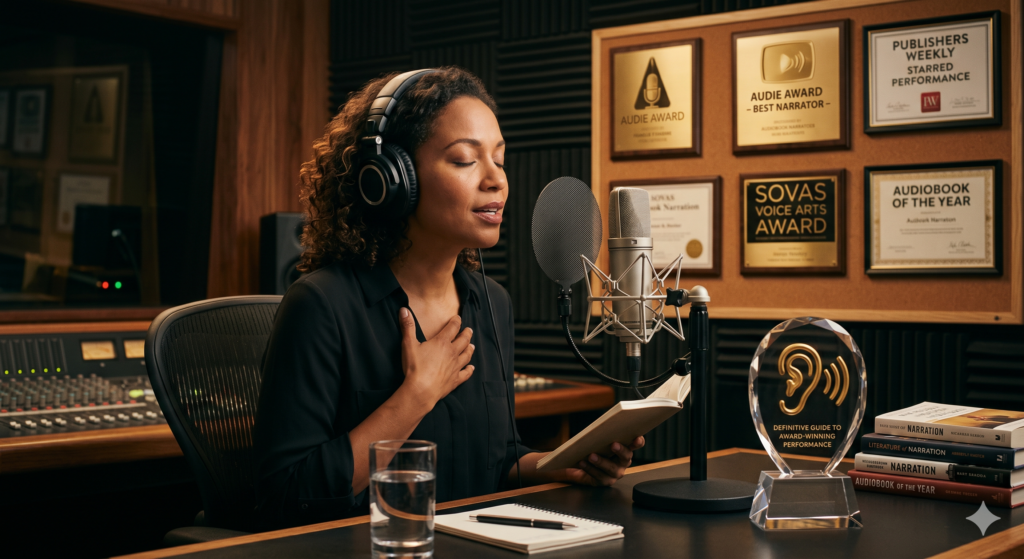

Audio sedation has emerged as an essential tool for those seeking restful nights and mental calm. Using narrators with soothing voices, this practice leverages the power of sound to gently ease the listener into a state of relaxation. The subtle art of vocal inflection, pacing, and sound production plays a critical role in improving sleep quality. In this exploration, we examine how carefully crafted narration can serve as a natural sleep aid. We also spotlight five narrators who excel in delivering calming performances that invite peace and serenity. This article blends literary analysis with audio production expertise to provide a comprehensive guide to audio sedation’s most effective voices.
Exploring Audio Sedation: How Soothing Voices Enhance Sleep
Understanding the Science of Audio Sedation
Audio sedation works by engaging the brain’s relaxation pathways through sound. The human auditory system responds deeply to tone, rhythm, and voice timbre. When exposed to steady, gentle narration, the parasympathetic nervous system activates, lowering heart rate and blood pressure. This physiological shift fosters the onset of sleep and improves sleep quality. From a production standpoint, bitrate clarity and smooth vocal delivery enhance listener immersion, reducing cognitive distractions.
The pacing of narration holds particular importance. Studies show that a slower speech rate, around 100–120 words per minute, mirrors resting brainwave frequencies. This synchronization encourages a meditative state. Additionally, narrators who avoid harsh consonants and vocal fry create a more pleasant listening experience. Soft consonantal sounds like “l” and “m,” combined with warm vowel tones, form an audio texture conducive to rest. The layering of soundscapes—such as distant rainfall or subtle white noise—can further augment sedation.
The emotional content of narration also impacts its sedative effect. Voices that convey calm assurance, gentle empathy, and steady warmth evoke safety and relaxation. The listener’s emotional engagement reduces mental clutter, paving the way for restful sleep. This emotional connection is why narrators skilled in both storytelling and vocal modulation are highly prized in audio sedation projects.
The Narrative Immersion Scale: A Framework for Evaluating Soothing Audio
To assess the effectiveness of narrated audio for sleep, I propose The Narrative Immersion Scale (NIS). This framework evaluates five core dimensions: Vocal Tone, Pacing, Clarity, Emotional Warmth, and Soundscape Integration. Each dimension scores from 1 to 10, providing a structured way to compare narrators and productions.
- Vocal Tone measures the timbre’s softness and absence of harsh vocal fry.
- Pacing assesses tempo appropriateness for relaxation.
- Clarity rates audio fidelity, including bitrate and noise levels.
- Emotional Warmth gauges the narrator’s ability to deliver empathy and calm.
- Soundscape Integration evaluates how well ambient sounds complement narration.
A high NIS score indicates superior potential for audio sedation. This model helps producers tailor selections for sleep-focused projects and listeners choose recordings that best suit their needs. Our upcoming narrator profiles utilize this scale to highlight the most calming voices currently available.
Production Nuances in Audio Sedation for Sleep
From an audio production perspective, bitrate and spatial audio are critical in preserving the soothing qualities of narration. Bitrates of 192 kbps and above maintain vocal richness and detail without introducing compression artifacts. Such fidelity prevents listener fatigue and keeps the voice warm and natural. Spatial audio techniques, including binaural recording and stereo panning, create an immersive sound field, making it feel like the narrator is speaking directly beside the listener.
The avoidance of vocal fry is another key production concern. This rough, creaky vocal quality can disrupt relaxation and trigger alertness in sensitive listeners. Skilled narrators and sound engineers use vocal warm-ups, consistent microphone placement, and compression techniques to minimize fry. Pacing is managed through editing to remove rushed or uneven speech, ensuring a smooth, flowing narrative that gently guides the listener’s mind.
Finally, soundscapes are carefully designed and mixed at low volumes beneath the narration. Elements like gentle rainfall or soft wind can mask distracting ambient noises and deepen relaxation. They also add a layer of sensory richness, enhancing the immersive quality. Balancing these elements demands a producer’s finesse, ensuring the narration remains the focal point while the soundscape supports a tranquil atmosphere.
Top 5 Narrators with Calming Tones for Restful Nights
1. George Newburn: The Gentle Storyteller
George Newburn’s voice is renowned for its rich baritone and steady pacing, perfectly suited for bedtime listening. He masters the balance of emotional warmth with clear diction, inviting listeners into a space of quiet reassurance. His narration avoids vocal fry, instead offering a silky smooth timbre that soothes without monotony.
Technically, Newburn’s recordings maintain a high audio fidelity, often produced with 320 kbps bitrates and minimal compression. He uses subtle pauses that allow the listener’s mind to rest between sentences, a technique aligned with the Narrative Immersion Scale’s pacing and emotional warmth criteria. Newburn’s narration often features minimal background sound, focusing purely on voice to maximize intimacy.
Listeners frequently report that Newburn’s performances help ease anxiety before sleep. His storytelling is immersive but never overwhelming, making him a preferred choice for those seeking audio sedation through narrative comfort.
2. Sarah Windham: The Soft-Spoken Muse
Sarah Windham offers a voice characterized by its lightness and gentle inflection. Her soprano tone is neither shrill nor breathy, but carries a whisper-like quality ideal for drifting off. She excels in producing a vocal texture that feels like a lullaby, with a rhythmic cadence that mimics natural breathing patterns.
From a production standpoint, Windham’s recordings utilize spatial audio mixing to create a “close mic” effect. This technique simulates proximity, making listeners feel cradled by her voice. Bitrate consistency at 256 kbps ensures clarity while preserving the softness of her tones. Windham’s use of measured pacing and delicate emphasis on softer consonants makes her narration a calming sonic experience.
Her storytelling style integrates subtle soundscapes like soft ocean waves or forest ambiance. These layers are carefully balanced to support the narrative without distraction, helping listeners achieve deeper relaxation.
3. Marcus Flynn: The Resonant Companion
Marcus Flynn’s voice is a deep, resonant baritone known for its steady, grounding presence. He specializes in producing a sound that feels physically comforting, a quality that lends itself well to sleep-focused audiobooks and guided meditations. His vocal control is impeccable, avoiding vocal fry and maintaining a relaxed but articulate delivery.
Flynn’s recordings are typically engineered with high dynamic range and minimal equalization to preserve natural speech characteristics. The use of binaural recording techniques enhances spatial immersion, making his voice envelop listeners in a cocoon of calm. His pacing is deliberate and unhurried, which synchronizes well with the brain’s alpha waves associated with relaxation.
Marcus Flynn’s narration style scores highly on the Narrative Immersion Scale, particularly in Vocal Tone and Emotional Warmth. His performances provide a reassuring companion experience, an anchor for restless minds seeking ease.
4. Elena Verano: The Velvet Whisper
Elena Verano’s narrations are distinguished by their silky smoothness and breath control. Her voice floats effortlessly, creating a sensation similar to a soft velvet touch. Her delivery is delicate yet confident, with a natural ebb and flow that mimics gentle lullabies.
Her recordings utilize a combination of cardioid microphones and ambient sound dampening rooms to capture intimate vocal nuances. Bitrate consistency at 192 kbps to 256 kbps ensures that her subtle tonal shifts are preserved, enhancing the listener’s emotional connection. Elena often incorporates minimalist soundscapes such as faint wind chimes or distant bird calls, adding a serene natural element.
Verano’s voice ranks highly in Clarity and Soundscape Integration on the Narrative Immersion Scale. Her soothing quality makes her narrations particularly effective for deep relaxation and sleep induction.
5. David Carlton: The Calm Narrator
David Carlton’s voice exudes steadfast calm and clear articulation. His mid-range tone is balanced and neutral, avoiding extremes of pitch that might disturb relaxation. Carlton’s pacing is consistent and measured, helping listeners settle into a meditative state.
Recorded predominantly with condenser microphones and using post-production noise gating, Carlton’s audiobooks maintain a clean sound profile free from background hiss or plosives. The bitrate for his projects rarely falls below 256 kbps, maintaining fidelity that preserves warmth. His narrations occasionally feature soft ambient music mixed low beneath the voice, enhancing the sense of tranquility.
Carlton’s narration style excels in Emotional Warmth and Clarity, making him ideal for listeners who prefer steady, unobtrusive vocal guides to ease into sleep.
Expert Listener FAQ
What is the impact of Dolby Atmos on audiobook sedation quality?
Dolby Atmos technology creates a 3D spatial audio experience, positioning sounds around the listener. In audio sedation, Atmos can enhance immersion by simulating a live environment, making narration feel present and intimate. This spatial depth helps reduce cognitive distractions, improving focus on the calming voice. However, overuse of spatial effects may hinder relaxation if sounds become too dynamic. Careful mixing is essential to balance Atmos’s richness without overwhelming the listener’s senses. For sleep-focused audiobooks, subtle Atmos application deepens tranquility and supports the Narrative Immersion Scale’s Soundscape Integration dimension.
How do vocal fry and breathiness affect listener relaxation?
Vocal fry introduces a rough, creaky texture that can signal alertness to the brain, interrupting relaxation. Breathiness, while sometimes soothing, may cause listener fatigue if excessive. For audio sedation, narrators aim to minimize vocal fry and control breathiness to maintain a consistent, smooth tone. Excess breath sounds can become distracting, pulling attention away from the narrative. Sound engineers use compression and equalization to balance these vocal qualities, ensuring the voice remains warm and inviting without vocal artifacts that impede sleep.
What ethical considerations exist between human narrators and AI voices?
While AI voices can mimic soothing tones, they often lack the nuanced emotional warmth and pacing natural narrators provide. Ethically, human narrators offer authentic emotional connections critical to listener wellbeing. AI narration risks flattening this connection, potentially reducing effectiveness in audio sedation. Additionally, transparency with listeners about AI use is vital. Producers must weigh efficiency against the human voice’s irreplaceable qualities in fostering empathy and trust, especially in therapeutic listening contexts like sleep aids.
How does foley design influence modern audiobook production?
Foley design involves adding everyday sound effects to enhance realism. In audiobooks, subtle foley can enrich scenes without distracting. For audio sedation, the selective use of soft environmental sounds—like footsteps on leaves or distant rain—adds depth to soundscapes. Designers balance such effects carefully, ensuring they support mood without drawing focus. Foley contributes to the Narrative Immersion Scale’s Soundscape Integration by creating a believable auditory world, enhancing listener immersion and relaxation.
What role does pacing play in emotional engagement during narration?
Pacing controls the listener’s emotional rhythm, guiding attention and mood. Slow pacing aligns with resting brainwave frequencies, facilitating calm. Variations in tempo can emphasize narrative beats, but excessive speed disrupts relaxation. Skilled narrators adjust pacing to maintain engagement without excitement or tension. In sleep-focused recordings, pacing is deliberately steady and measured, helping listeners transition smoothly into rest. Pacing is a crucial factor in the Narrative Immersion Scale, impacting both emotional warmth and vocal tone perception.
How do bitrate variations impact audiobook clarity and warmth?
Higher bitrates preserve audio detail, capturing subtle vocal inflections that convey warmth and intimacy. Low bitrates introduce compression artifacts that can sound harsh or muffled, breaking immersion. For audio sedation, clarity is essential to prevent listener fatigue and maintain a soothing atmosphere. Optimal bitrate settings (192–320 kbps) strike a balance between file size and audio fidelity. Consistent bitrate ensures stable sound quality, an important production element to uphold listener trust and comfort.
What equipment setups best capture soothing vocal performances?
Capturing soothing vocals requires high-quality condenser microphones with flat frequency response, ensuring natural tone reproduction. Quiet, acoustically treated rooms minimize reflections and noise. Microphone placement focuses on proximity effect to add warmth without boominess. Pop filters reduce plosives, and shock mounts prevent handling noise. Monitoring through reference headphones ensures accurate capture of subtle vocal nuances. These technical choices enable producers to highlight the narrator’s calming qualities, avoiding vocal fry and breathiness, essential for effective audio sedation.
Listener’s Evaluation Checklist for Audio Sedation
| Criterion | Description | Score (1-10) |
|---|---|---|
| Vocal Tone | Softness, absence of fry, warmth | |
| Pacing | Steady, slow tempo, natural flow | |
| Clarity | High bitrate, low noise, clear articulation | |
| Emotional Warmth | Empathy, reassurance, calming emotion | |
| Soundscape Integration | Balanced ambient sounds supporting narrative |
Conclusion
Audio sedation hinges on the delicate intersection of narration artistry and expert audio production. The five narrators featured here exemplify how voice quality, pacing, and sound design converge to create immersive, calming experiences that enhance sleep. Employing frameworks like the Narrative Immersion Scale allows producers and listeners to assess narration effectiveness with clarity. As audiobook technology advances, the subtle nuances of human vocal expression will remain paramount in fostering relaxation and emotional connection. For those seeking better sleep through sound, these narrators offer trusted companions, guiding listeners with soothing tones and masterful storytelling into peaceful rest.