Safe Listening Strategies: How to Listen to Audiobooks for Hours
Sound exposure is cumulative and must be managed for marathon audiobook listening while preserving hearing health.
Sound level management begins with measurable targets rather than feelings. Use a meter or app that reports dB(A) and LUFS so you can aim for consistent levels; decibels are a logarithmic scale and should be thought of like steps on a staircase where each step is a noticeable change. Think of dB as water pressure: a small numeric change can feel much larger, so keep long sessions well below harmful thresholds.
Session structure is the next control layer for safe listening. Alternate listening blocks with short silence or low-volume periods because ears recover slowly; cumulative exposure over hours adds up the same way repeated sun exposure does. Treat listening like sun exposure: a lower intensity for a long time is safer than intermittent intense bursts.
Environment affects perceived loudness and fatigue more than many producers expect. Use quiet rooms and reduce background noise so you do not raise volume to compensate; ambient noise is like wind that forces you to shout. Calibrate listening levels in a quiet space and stick to them across sessions to avoid gradual escalation.
Understanding Exposure: dB, LUFS, and Time
Exposure is best tracked with LUFS and dB(A) targets rather than subjective volume. LUFS measures perceived loudness like a weighted ruler for human hearing; imagine LUFS as measuring the brightness of a lamp rather than just the bulb wattage. Aim for integrated loudness targets appropriate to audiobooks so listeners do not increase their device volume.
Peak control is essential to prevent startling transients that can trigger tinnitus. True-peak should be limited to avoid clipping; true-peak is like checking the highest tide rather than average sea level. Keep true-peak below safe ceilings so a sudden consonant or effect does not become a damaging spike.
Listening time must be scheduled into the production plan as a safety parameter, not an afterthought. Use the inverse relationship between level and safe exposure time: louder equals less time, quieter equals more time; think of it as the difference between sprinting and walking. Provide recommended session lengths on product pages to guide listeners.
Protecting Ears: Volume, Breaks, and Proper Headphones
Volume management is the most immediate defense against tinnitus risk during long listening. Set default app and device limits and educate listeners to avoid habitual maximum volume; device limits are like collar stops on a faucet to prevent scalding water. Encourage users to enable operating-system hearing safeguards and persistent volume caps.
Scheduled breaks are a physiological necessity for auditory recovery. Implement micro-pauses every 45 to 60 minutes and longer breaks every 2 hours because the ear’s metabolic recovery needs time. Treat breaks like stretching in a long run: they reduce cumulative stress and preserve performance.
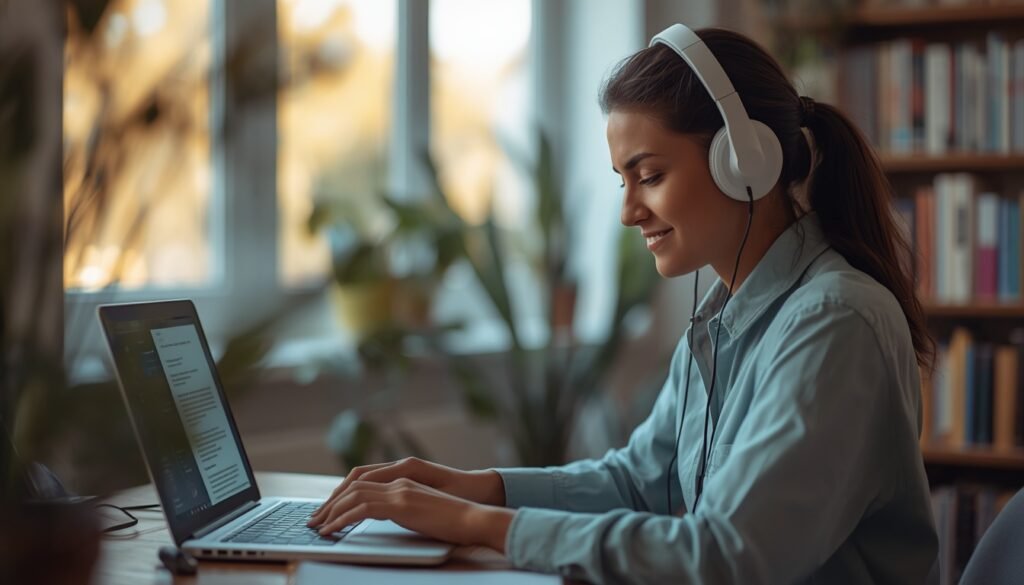
Headphone selection shapes both safety and immersion for audiobooks. Recommend closed-back, over-ear headphones with good passive isolation or well-tuned active noise cancellation that does not add hiss; a solid seal is like using earplugs in a loud workshop. Explain fit and comfort, because pressure points or poor seals lead listeners to crank volume to compensate.
Choosing the Right Headphones: Isolation, Fit, and Safety Features
Isolation is a trade-off between passive seal and external awareness. Opt for headphones that block external noise without requiring high levels to be comfortable; think of isolation like curtains that keep external light from washing out a movie. Encourage circumaural models over earbud designs for long sessions.
Fit determines perceived bass and the need for higher volumes. Proper fit is comparable to wearing eyeglasses with the correct prescription: when the fit is right, details are clearer and you do not push harder. Provide guidance on earpad materials and clamping force because those tactile details influence long-term comfort.
Safety features such as built-in volume limiting or app-based soft-limiting protect listeners from accidental spikes. Use hardware limits and published recommended loudness targets as the default. Treat these safeguards like speed governors in vehicles: they do not remove control but prevent dangerous extremes.
Spatial Audio, Performance, and Mixing for Long-Form Listening
Spatial mixing must prioritize naturalness and headroom to avoid listener fatigue. Keep panning and depth cues realistic so the brain is not constantly correcting spatial inconsistencies; spatial audio is like arranging actors on a stage so each voice feels anchored. Preserve dynamic contrast so performance nuance breathes without constant loudness inflation.
Bit depth and sample rate choices affect headroom and resolution in the mix. Use 24-bit 48 kHz or higher for editing and delivery because higher bit depth gives you more dynamic range; think of bit depth like the depth of color in a painting where more bits add finer gradations. Use higher sample rates where needed for spatial processing but return to sensible delivery formats to balance file size and quality.
Binaural or immersive approaches require careful rendering for headphone listening. Create spatial cues that translate across devices, because exaggerated spatial effects are like over-seasoning a dish and become tiring. Test mixes on multiple headphone types and at reduced levels to ensure intelligibility and non-fatiguing placement.
Spatial Techniques: Panning, Depth, and Head-Related Transfer
Panning must respect natural interaural timing and intensity cues to avoid uncanny perception. Use interaural time and level adjustments as you would set the distance between performers on a stage. Render with head-related transfer functions conservatively, with analogies to room acoustics where small changes alter perceived space.
Depth cues like early reflections and reverb should be subtle for narration. Keep reverb decay and predelay tuned to voice intelligibility rather than spectacle; think of reverb like atmospheric haze that adds realism but should not obscure detail. Use short, warm reverbs rather than lush tails that blur consonants.
Level automation must be smooth and preserve intelligibility. Automate gain gently as you would shape a vocal performance in a live theater, not like sudden spotlight swings. Implement soft limiting on masters to tame transients without flattening dynamics.
Listener Psychology and Perception: Preventing Listening Fatigue
Perceptual adaptation changes how listeners set volume over time, which can lead to long-term exposure creep. Monitor perceived loudness tendencies because listeners acclimate like eyes adjusting to dim light. Provide guidance and presets that counter drift toward higher volumes.
Compression settings influence perceived loudness and fatigue more than raw peak level. Use gentle compression to even narration without squashing dynamics; compression is like folding a blanket to fit a smaller suitcase where overcompression removes natural shape. Explain compression ratios and attack/release using everyday cloth manipulation analogies to keep concepts tactile.
Emotional pacing and performance choices affect listener arousal and subsequent volume adjustments. Balance intimate narration with occasional wider moments so the listener does not chase intensity. Treat performance dynamics like seasoning a meal: contrast makes subtlety pleasurable and prevents the need to increase volume.
Introducing the AudiobookSafe Leveling Model (ASLM-1)
ASLM-1 is a named leveling model that codifies safe loudness and exposure for audiobooks. ASLM-1 prescribes integrated LUFS targets, true-peak ceilings, and session-aware headroom similar to how a chef’s recipe standardizes taste. The model is designed to be simple to implement across DAWs and delivery systems.
ASLM-1 uses an integrated loudness target of -18 LUFS for audiobooks and a true-peak ceiling of -1 dBTP to protect against clipping and sudden spikes. The LUFS target is comparable to setting a thermostat: a stable target keeps overall comfort. The model also recommends a dynamic range floor so narration retains expressive nuance without exposing listeners to harsh transients.
ASLM-1 includes metadata tags to communicate safe-session guidance to apps and devices. Include recommended maximum continuous session times and suggested break cadence in distribution metadata like recipe notes on a product label. This makes production choices actionable across platforms and empowers listeners.
Production Standards 2026: Technical Best Practices
File format and delivery parameters must prioritize fidelity, metadata, and listener safety. Deliver masters as 24-bit WAV at 48 kHz with a recommended human-audible-first mastering chain; bit depth is like the grain of a photograph where more depth captures more detail. Provide lossy delivery options only after proper loudness and true-peak control.
Loudness normalization across platforms has settled in 2026 on conservative audiobook targets to protect ears. Adopt -18 LUFS integrated with a true-peak ceiling of -1 dBTP for master files because platform normalization can otherwise push levels unpredictably. Think of normalization like a translator that maintains meaning across languages.
Data rates and codec choices must preserve intelligibility while minimizing risk of artifacts that cause listening strain. Use high-bitrate AAC or Opus presets tuned for voice, because low bitrate is like compressing a photograph until edges blur. Include back-up distribution in lossless form for archival and re-masters.
Delivery Table: 2026 Recommended Parameters
| Parameter | Recommended Value | Why (Analogy) |
|---|---|---|
| File Type | 24-bit WAV master; AAC/Opus MP4 for distribution | WAV is like the uncompressed negative of a photo for future re-edits |
| Sample Rate | 48 kHz | Sample rate is like the frame rate for a film: higher rates capture nuance |
| Bit Depth | 24-bit | Bit depth is like color depth in a painting; more bits capture subtler dynamics |
| Loudness (Integrated) | -18 LUFS | LUFS is like lamp brightness: a standard prevents overexposure |
| True-Peak Ceiling | -1 dBTP | True-peak is the highest tide; cap it to avoid clipping on conversion |
| Max Session SPL (Long) | 70 dB(A) recommended for multi-hour sessions | SPL is like sun intensity: lower levels allow longer safe exposure |
Studio Workflow and Listener Safety Protocols
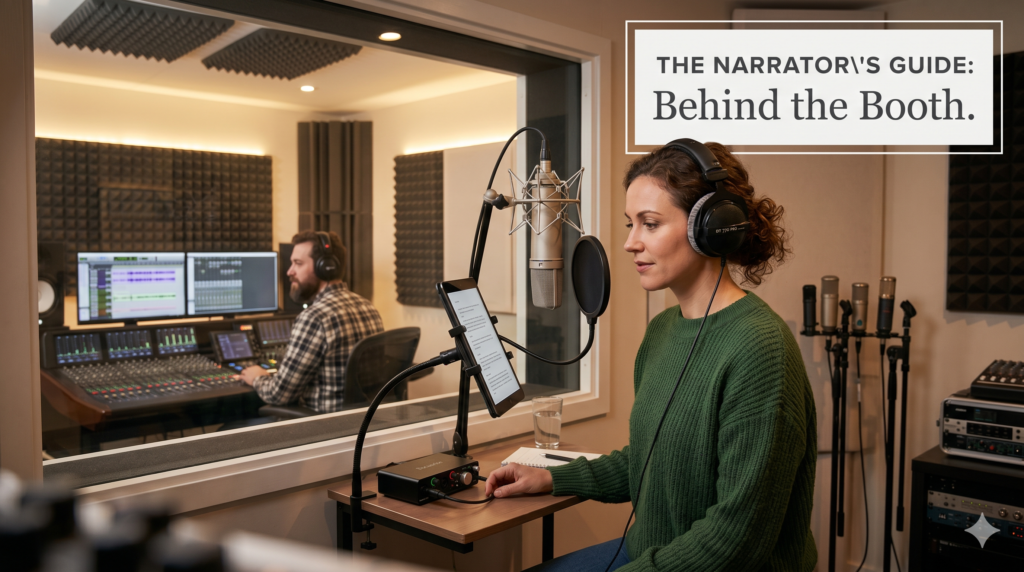
Mastering workflows must include safety checkpoints for loudness and peak control. Automate loudness checks in the chain and include human review because automation is like a pilot’s instruments that still require an experienced pilot. Use reference mixes at multiple levels to ensure performance translates.
Quality control should include simulated distribution and mobile device checks. Test on common earbuds and older devices to ensure intelligibility and safety, because real-world playback is the final arbiter. Document test results and adjustments in session notes for traceability.
Delivery packaging must pass metadata that communicates safe-listening guidance to distribution platforms and apps. Include ASLM-1 tags, session length guidance, and recommended break cadence in the manifest like nutritional information on food packaging. Educate platform partners on metadata usage to help listeners make safer choices.
QC and Delivery Checklist
Production Quality Roadmap:
- Set project baseline to 24-bit / 48 kHz and ASLM-1 loudness template.
- Edit and perform with consistent monitoring at calibrated 70 dB SPL.
- Apply gentle dynamics control and true-peak limiting to -1 dBTP.
- Run LUFS and peak compliance checks; test on multiple headphones.
- Embed ASLM-1 metadata and session safety tags before delivery.
FAQ
What is a safe listening level for multi-hour audiobook sessions?
Safe listening levels for long sessions should target about 70 dB(A) on average. Think of 70 dB(A) as a comfortable conversation level in a carpeted room; it allows many hours without undue risk. Encourage listeners to use device settings that report SPL or to follow app presets labeled for “long listening.”
How does LUFS differ from peak dB and why both matter?
LUFS measures perceived loudness over time while peak dB tracks instantaneous maximums. LUFS is like the average lighting in a room and peak dB is like a sudden camera flash. You need LUFS to set comfort and peaks to prevent startling transients.
How should producers approach compression to avoid fatigue?
Producers should use low ratios and slow release for narration, preserving transient clarity. Compression is like seasoning food: apply small amounts to enhance, not to overwhelm. Test at lower volumes to confirm that compression choices do not induce perceived loudness creep.
Are noise cancelling headphones safer for long sessions?
Noise cancelling headphones can be safer if they reduce ambient noise without introducing hiss or encouraging higher volume. ANC is like wearing sunglasses: they reduce glare so you do not squint and strain. Recommend models with low self-noise and clear ANC footprints.
What metadata should accompany audiobook files for listener safety?
Metadata should include integrated LUFS, true-peak values, ASLM-1 tag, recommended session length, and break cadence. Metadata is like a nutrition label for listening: it informs safe consumption. Ensure distributors preserve these fields in platform ingestion.
How do spatial mixes affect tinnitus risk and listening fatigue?
Spatial mixes can reduce fatigue if they mimic natural acoustics and preserve intelligibility; unrealistic spatial cues can cause constant cognitive correction. Spatial processing is like stage blocking for actors: poorly placed actors make the audience work harder. Test binaural renders at safe volumes and on multiple devices.
Conclusion: Safe Listening and Production Futures
Listener safety and production quality are converging into standard practices that keep audiobooks enjoyable and sustainable.
Standards adoption like ASLM-1 will streamline how producers think about loudness, peaks, and session guidance over the next year. Expect wider metadata adoption across platforms so apps can auto-enforce volume limits and surface break reminders; metadata in this context is like the instruction manual that travels with a product.
The 12-month forecast suggests gradual normalization of conservative loudness targets, increased headphone compatibility testing, and app-level safety controls appearing as default settings. This trend will lower incidence of listening-related complaints and make marathon audiobook experiences both immersive and safe.
Meta Description: Practical, studio-level guidance for listening to audiobooks safely for hours while minimizing tinnitus risk and conforming to 2026 production standards.
SEO Tags: audiobooks, hearing protection, LUFS, ASLM-1, headphone safety, spatial audio, audiobook production