
Historical fiction audiobooks transport listeners beyond pages and print. They evoke a sense of living history, bridging past and present through sound. When narration and production excel, these audiobooks become immersive time machines, implanting listeners directly inside historical moments. This article explores how historical fiction audiobooks create this rare auditory experience. Through expert analysis, we examine narration artistry, production techniques, and frameworks that define the quality benchmarks for these unique stories.
The Art of Narration: Bringing History to Life in Audio
Vocal Nuance and Character Distinction
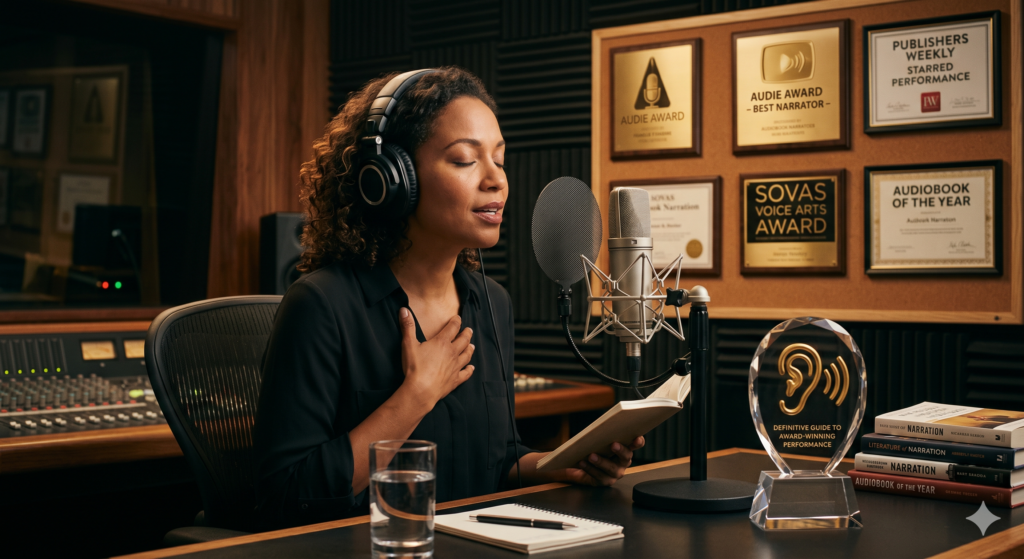
Narration in historical fiction demands more than reading words. It requires voice actors to embody characters fully, capturing accents, temperaments, and social contexts accurately. Skilled narrators research the era’s speech patterns and idioms, ensuring authenticity. For instance, a Victorian-era story might require the precise cadence of British English from the period, with subtle shifts for class or regional identity.
The ability to switch voices seamlessly without breaking immersion is essential. Listeners rely on these vocal distinctions to follow complex plots and multiple characters. Masterful narrators modulate pitch, speed, and tone to match emotional states—fear, joy, despair—creating a dynamic oral performance. This vocal craftsmanship makes historical figures and fictional creations come alive through sound alone.
Pacing is equally critical. Narrators must adjust their speed to reflect narrative tension or calm. In battle scenes, faster delivery builds urgency, while slower pacing in reflective moments deepens emotional resonance. The balance between clear enunciation and natural rhythm defines a narrator’s success in evoking a bygone era. This interplay turns mere words into a vivid auditory experience that feels immediate.
Emotional Engagement and Immersion
Emotional engagement anchors the listener to the story’s time and place. Narrators who connect deeply with the material bring emotional authenticity that transcends written text. They convey the subtlety of human reactions shaped by historical circumstances: the courage amid war, the injustice of societal norms, or the quiet hope in moments of despair.
Listeners often report feeling transported when narrators use controlled vocal fry and resonance to express vulnerability, fatigue, or passion. These fine vocal techniques, combined with the script’s emotional beats, create empathy. The listener’s imagination fills the gaps, triggered by the narrator’s cues, embedding them in the historical world.
This emotional connection also relies on cultural sensitivity. Some historical periods carry heavy, complex themes. Responsible narrators respect these realities, avoiding caricature or oversimplification. Instead, they invite listeners into a nuanced understanding, making the past feel both real and relevant. This ethical dimension enhances immersion beyond technical skill.
The Narrative Immersion Scale
To evaluate narration quality systematically, I propose the Narrative Immersion Scale (NIS), a model rating narrations across five dimensions: Authenticity, Emotional Depth, Vocal Variety, Pacing, and Ethical Sensitivity. Each dimension receives a score from 1 to 10.
| Dimension | Description | Score Range |
|---|---|---|
| Authenticity | Accuracy in accent, dialect, and historical speech style | 1-10 |
| Emotional Depth | Ability to evoke listener empathy and emotional response | 1-10 |
| Vocal Variety | Range of distinct voices and tonal modulation | 1-10 |
| Pacing | Appropriate speed and rhythm for narrative moments | 1-10 |
| Ethical Sensitivity | Respectful portrayal of cultural or historical contexts | 1-10 |
A top-tier narration scores above 40. This framework helps producers and critics to assess and improve auditory realism in historical fiction audiobooks. It also guides listeners seeking immersive and respectful storytelling.
Audio Production Techniques That Enhance Historical Fiction
Soundscapes and Ambient Audio
Beyond narration, sound design elevates historical fiction audiobooks from storytelling to sensory experience. Carefully curated soundscapes embed listeners in specific settings, whether a bustling 18th-century market or the quiet snow of a Civil War camp. Background audio cues like horse hooves, distant cannon fire, or rustling parchment subtly reinforce the narrative world.
These elements must be balanced to avoid overpowering narration. Skilled sound engineers layer ambient noise at a lower volume, creating an immersive environment without distraction. The use of spatial audio techniques makes sounds appear to emanate from distinct directions, enhancing realism. For example, footsteps approaching from behind add a psychological depth to suspenseful scenes.
Technological advances in binaural recording allow producers to simulate the acoustic properties of historical spaces. A cathedral narration might feature reverberation consistent with its architecture, making the listener feel present. This sonic layering enriches historical fiction by engaging multiple senses simultaneously, crafting an audio experience akin to a time machine.
Bitrate and Audio Fidelity
Technical fidelity is crucial in preserving the nuance of narration and soundscapes. Higher bitrate recordings capture subtle vocal inflections, breath sounds, and ambient details often lost in compressed formats. For historical fiction, where clarity and texture matter greatly, fidelity impacts immersion significantly.
Producers typically record at 24-bit/48 kHz or higher, enabling clean dynamic range and reduced noise. During post-production, mastering engineers carefully balance loudness without clipping, ensuring all elements remain distinct. Listeners can detect poor quality immediately: muffled voices or distorted effects break the illusion of reality.
Streaming platforms vary in their supported bitrates, which can affect the end-user experience. Some providers offer premium high-fidelity modes, appealing to discerning historical fiction enthusiasts. The choice of codec also matters; for instance, lossless FLAC files preserve audio detail better than MP3, sustaining the emotional impact of voice and soundscape layers.
The Audiobook Quality Framework
To standardize production excellence, I introduce the Audiobook Quality Framework (AQF), focusing on five production pillars: Recording Quality, Mixing Balance, Sound Design, Compression Integrity, and Platform Delivery. Each pillar is rated 1–10 for consistency and listener satisfaction.
| Pillar | Focus Area | Score Range |
|---|---|---|
| Recording Quality | Bitrate, microphone fidelity, and environmental noise | 1-10 |
| Mixing Balance | Clarity and level of narration vs. soundscape | 1-10 |
| Sound Design | Realism and appropriateness of ambient audio elements | 1-10 |
| Compression Integrity | Audio artifacts minimization in final formats | 1-10 |
| Platform Delivery | Accessibility and fidelity across listening devices | 1-10 |
A high AQF score above 40 suggests a production that respects both listener experience and historical authenticity. This rigorous approach ensures that historical fiction audiobooks become fully immersive, convincing auditory time machines rather than just spoken texts.