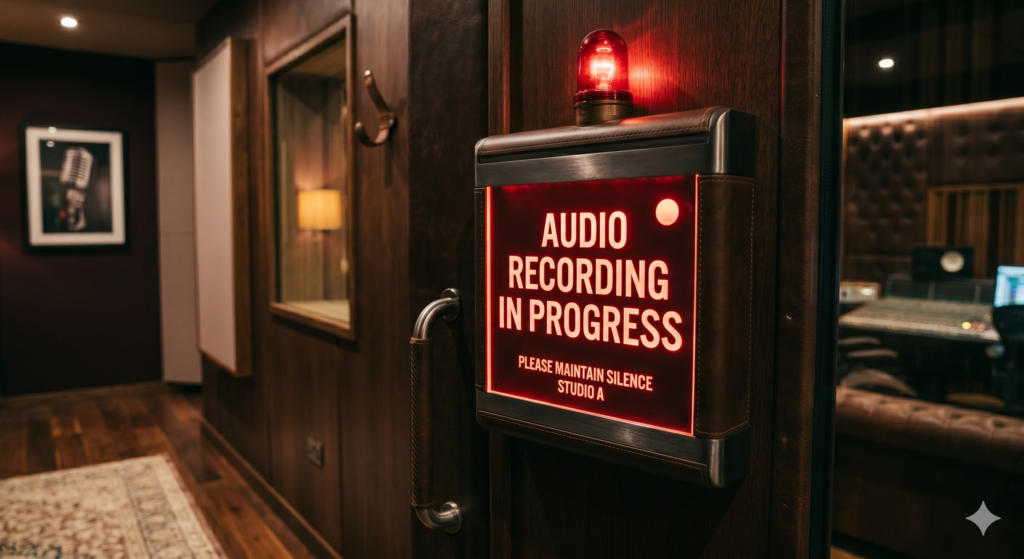

The appeal of sci-fi series audiobooks often lies in the ability to immerse audiences in vast, meticulously crafted universes. When series stretch beyond 100 hours, they provide unparalleled opportunities for intricate world-building. These epics are not just lengthy narratives; they are deep experiences shaped by audio production choices that enhance immersion. For connoisseurs of sci-fi and audiobook production, the marriage of narrative depth and sonic detail defines the ultimate long-form storytelling experience. This article explores five such epic series, focusing on world-building and the audio craftsmanship that sustains listener engagement over extended runtimes.
Exploring Immersive World-Building in Epic Sci-Fi Series
Defining Epic World-Building in Audio Narratives
Epic sci-fi series offer more than stories; they present entire universes, cultures, and histories. When these series exceed 100 hours, they demand consistent, layered world-building that evolves naturally. This requires authors to embed lore, technology, and character arcs across many volumes. Listeners expect these elements to feel authentic, continuous, and immersive. The audio format adds complexity, as narration and sound design must maintain clarity and interest without visual aids.
One key to successful world-building in audio is balanced pacing. Dense exposition risks listener fatigue if not delivered with variation and nuance in narration. Skilled narrators use vocal tone shifts and pacing to differentiate species, settings, and emotional states. For example, subtle dialects or vocal fry can hint at alien linguistics or cultural traits. This vocal craftsmanship allows the listener to mentally map the universe without feeling overwhelmed.
Audio producers collaborate closely with narrators and authors to enhance world-building with soundscapes. Carefully layered ambient effects and spatial audio cues create a sense of place and scale. Whether the listener is aboard a starship or wandering an alien market, these sonic elements anchor the narrative in a believable world. The interplay between narrative detail and aural texture is essential to sustain engagement over hundreds of hours.
Series Spotlight: “The Expanse” by James S. A. Corey
“The Expanse” is a prime example of epic sci-fi world-building that thrives in audiobook form. Spanning nine novels and numerous shorts, it offers over 120 hours of immersive storytelling. The series constructs a future where humanity colonizes the solar system, with complex political, social, and technological systems. The audio adaption captures this intricacy through a multi-narrator format that defines character perspectives distinctly.
Narrators Jefferson Mays and others use vocal differentiation and pacing to embody diverse voices, from hardened space captains to inner-Earth politicians. The production includes subtle sound effects, such as the hum of spaceship engines or echoes in vast stations, enriching the spatial experience. This layered sound design enhances the listener’s sense of place without distracting from the dialogue.
Moreover, the series’ world-building benefits from its serialized nature, allowing characters and settings to evolve naturally. The long runtime invites deep emotional investment in the human and political dramas that unfold. The audio production team’s attention to clarity and narration style ensures that listeners remain oriented, even through complex plotlines and technical jargon.
Series Spotlight: “The Culture” by Iain M. Banks
Iain M. Banks’s “The Culture” series stands out for its philosophical depth and technological imagination. While the series comprises several novels rather than a continuous saga, combined audiobook editions exceed 100 hours. The world-building revolves around a post-scarcity society with intricate AI, spacecraft, and interstellar politics.
Audio narrators in this series face the challenge of portraying both human and AI characters with believable vocal nuances. The narrators use subtle modulations in tone and pacing to differentiate between organic and synthetic perspectives. This creates a sonic contrast that underscores key thematic elements without overt exposition.
The production often incorporates minimalist soundscapes that echo the vastness of space or the digital realms inhabited by AI. These effects cultivate a sense of scale and mystery essential to the series’ immersive quality. The Culture’s world-building thrives on dialogue-driven exploration combined with carefully calibrated audio cues that accentuate its speculative concepts.
Audio Production Techniques Elevating Long-Form Storytelling
The Narrative Immersion Scale: A New Model for Audiobook Engagement
To understand the impact of audio techniques on listener immersion, I propose the Narrative Immersion Scale (NIS). This framework evaluates audiobooks along five key dimensions: vocal performance, sound design, pacing, technical fidelity, and emotional connectivity. Each factor contributes uniquely to sustaining listener attention over extended durations.
Vocal performance measures narrator ability to convey distinct characters and emotional nuance. Sound design assesses use of ambient effects and spatial audio that create a believable world. Pacing evaluates the rhythm of narration and its ability to balance exposition with action. Technical fidelity focuses on audio clarity, bitrate, and mastering quality. Finally, emotional connectivity gauges how well the production fosters listener empathy and engagement.
Applying the NIS to epic sci-fi series reveals that success lies in harmonizing these elements. For series surpassing 100 hours, even minor lapses in pacing or sound quality risk listener disengagement. Consistency, adaptability, and creativity across episodes preserve the immersive experience listeners seek.
Vocal Techniques That Sustain Interest in Lengthy Sci-Fi Epics
Narrators of long sci-fi series must deploy a range of vocal techniques to maintain clarity and listener interest. Skilled use of vocal fry can convey character weariness or otherworldliness subtly. Modulating pitch and tone differentiates alien species or AI voices, while varied pacing avoids monotony during dense technical explanations.
Breath control and phrasing become critical over many hours to prevent listener fatigue. Narrators often use dynamic emphases to highlight key dialogue or internal monologues, giving life to complex characters. The ability to switch between accents or dialects credibly adds depth to the world without confusing listeners.
Producers support narrators by guiding consistent character voices and integrating pronunciation glossaries for invented terms. This ensures continuity throughout the series. In some productions, multiple narrators collaborate, offering diverse vocal textures that align with character viewpoints. This ensemble approach can boost immersion by providing varied auditory stimuli.
Technical Fidelity: Bitrate, Spatial Audio, and Mastering
Audio quality is paramount for sustaining immersion in extended sci-fi series. Bitrate directly affects clarity; most premium audiobooks use 192 kbps or higher to preserve vocal nuances and ambient effects. Lower bitrates risk audio artifacts that distract listeners, especially with complex soundscapes.
Spatial audio technology can simulate 3D environments, placing listeners inside spacecraft cockpits or bustling alien cities. This immersive sound staging uses binaural recording techniques or virtual surround sound to create depth and movement. When applied judiciously, spatial audio enhances realism without overwhelming dialogue clarity.
Mastering ensures consistent loudness and frequency balance across episodes, preventing jarring shifts that break immersion. Producers often employ subtle equalization to emphasize midrange frequencies where voices sit, improving intelligibility in diverse listening environments. Well-mastered audio sustains listener engagement over the long haul, a necessity for series exceeding 100 hours.
Series Spotlight: “The Hyperion Cantos” by Dan Simmons
Complex Narrative Structures and Audio Challenges
Dan Simmons’s “Hyperion Cantos” is renowned for its interwoven stories and layered timelines, spanning over 100 hours in audiobook format. The series blends epic scope with intimate character studies, demanding a production that can clearly signal shifts in time and perspective.
Narrators employ distinct voices and pacing to differentiate each tale within the larger narrative. Sound design uses environmental cues—wind on distant planets or mechanical hums—to mark scene changes. This attention to detail helps listeners navigate the complex structure without confusion.
The audio team also manages tonal shifts expertly. Moments of horror, romance, and philosophical reflection are underscored by fitting vocal intensity and soundscapes. This dynamic range sustains emotional interest through the long runtime, making the dense storytelling more accessible.
Emotional Resonance Through Vocal and Sound Design
“Hyperion Cantos” benefits from narrators who convey subtle emotional shifts, from quiet introspection to high tension. The use of breath control and modulation brings characters’ vulnerabilities and strengths to life, forging a strong emotional connection with the listener.
Sound effects are carefully balanced to support rather than overshadow the narration. For example, echoes in ancient temples or the crackling of futuristic technology enrich the atmosphere without detracting from dialogue clarity. This synergy amplifies the emotional impact of key moments.
The series demonstrates how emotional depth and audio fidelity combine to maintain engagement in extensive audiobooks. Listeners experience the narrative as a living world, where characters’ feelings resonate authentically amid sprawling sci-fi concepts.
Series Spotlight: “The Revelation Space Universe” by Alastair Reynolds
Hard Science Meets Audio Realism
Alastair Reynolds’s “Revelation Space” series is a hard sci-fi saga spanning multiple novels and novellas. Its emphasis on scientific accuracy presents unique challenges for narration and sound design. The production must help listeners absorb complex scientific explanations without losing narrative momentum.
Narrators use clear, measured pacing during technical passages, paired with vocal emphasis on key terms. Sound design incorporates realistic mechanical sounds and space ambience, enhancing immersion while preserving intelligibility. This attention to auditory realism grounds the speculative elements.
Producers ensure consistency in pronunciation of scientific jargon and alien nomenclature, supporting listener retention. The series exemplifies how detailed audio production can bridge the gap between technical exposition and engaging storytelling in long-form sci-fi.
Creating Atmosphere Through Minimalist Soundscapes
Unlike more effects-heavy productions, “Revelation Space” often employs minimalist soundscapes. Sparse, carefully chosen ambient sounds evoke isolation or cosmic vastness without cluttering the audio space. This restraint focuses attention on narrative and character voices.
The subtle use of reverberation and spatial cues suggests large, empty environments or confined ship interiors. These sonic elements cultivate mood and tension, crucial for a series exploring humanity’s place in a hostile universe.
The minimalist approach requires precise vocal delivery to maintain interest. Narrators use tone and inflection to convey urgency and introspection. This balance between sparse sound design and vocal nuance sustains listener focus throughout the series.
Listener’s Evaluation Checklist for Epic Sci-Fi Audiobooks
| Criterion | Elements to Evaluate | Importance Level |
|---|---|---|
| Vocal Performance | Character distinctiveness, tone variation, pacing | High |
| Sound Design | Ambient effects, spatial audio, background layering | Medium-High |
| Technical Fidelity | Bitrate, mastering consistency, clarity | High |
| Narrative Pacing | Balance of exposition/action, avoidance of monotony | High |
| Emotional Connectivity | Empathy generated, intensity modulation | Medium-High |
| Pronunciation Consistency | Accuracy in fictional terms, glossary usage | Medium |
| Dynamic Range | Volume balance between narration and effects | Medium |
| Accessibility Features | Availability of transcripts, adjustable playback speeds | Medium |
This checklist aids listeners in critically assessing their audiobook experiences, highlighting key factors that impact immersion in long sci-fi epics.
Expert Listener FAQ
1. How does Dolby Atmos enhance sci-fi audiobook immersion?
Dolby Atmos provides three-dimensional spatial audio, allowing sounds to be placed anywhere in a three-dimensional space around the listener. In sci-fi audiobooks, this means spacecraft engines, alien voices, or environmental sounds can move fluidly, creating a more realistic soundscape. This technology improves listener engagement by simulating real-world acoustics and spatial cues, allowing for a deeper sense of presence. Its adoption in audiobooks depends on production budgets and platform support but promises future advances in immersive storytelling.
2. What ethical considerations arise between human narrators and AI-generated voices?
Human narrators bring emotional depth, subtle inflections, and interpretive nuance that AI voices currently cannot replicate fully. However, AI voices offer scalability and cost efficiency. The ethical debate centers on preserving artistic integrity and fair compensation for human talent. Audiobook producers must balance technological efficiency with respect for creative artistry. Transparency with listeners about voice sources is also important. Many experts advocate for AI as a supplement rather than a replacement for human narration, especially in emotionally complex works.
3. How important is Foley design in modern science fiction audiobooks?
Foley design—the reproduction of everyday sound effects—adds a tactile dimension to audiobook storytelling. In sci-fi, Foley can include footsteps on alien terrain, mechanical clicks, or clothing rustles, enhancing realism. While not always heavily used, thoughtful Foley can heighten immersion and emotional impact. The challenge lies in integrating Foley without masking narration clarity. Skilled Foley artists work closely with audio engineers to achieve this balance, making Foley a valuable but carefully applied tool in high-end productions.
4. How do narrators maintain vocal health over 100+ hour series?
Extended narration requires rigorous vocal care. Narrators use techniques such as hydration, controlled breathing, and vocal warm-ups to prevent strain. Scheduling frequent breaks during recording sessions helps preserve voice quality. Professional producers monitor vocal fatigue signs and adjust session intensity accordingly. Proper studio acoustics and microphone technique also reduce strain. Maintaining vocal health ensures consistency in performance, critical for sustaining listener engagement across long series.
5. What role does pacing play in preventing listener fatigue?
Pacing controls the rhythm and flow of narration. Effective pacing balances scenes of intense action with moments of reflection or exposition. Varied pacing prevents monotony and keeps listeners alert. Narrators modulate speed, tone, and pauses to emphasize important information and emotional beats. Producers may edit recordings to smooth pacing or insert sound effects strategically. Good pacing respects listener cognitive load, ensuring long audiobooks remain captivating rather than exhausting.
6. How do producers handle continuity in pronunciation and vocal characterization?
Continuity is vital in multi-book series. Producers create detailed style guides and pronunciation glossaries shared among narrators and directors. Recording sessions often begin with voice warm-ups and rehearsals to reinforce character voices. Audio editors cross-check for consistency during post-production. For series with multiple narrators, communication ensures alignment. This vigilance avoids jarring shifts that can disrupt immersion.
7. What technical standards optimize audiobook clarity on diverse listening devices?
Producers prioritize high bitrates (192 kbps or above) and consistent mastering to ensure clear sound on headphones, car stereos, and smart speakers. Equalization emphasizes vocal midrange frequencies for intelligibility. Compression is used judiciously to maintain dynamic range without clipping. Testing across various playback systems helps identify issues. Accessibility considerations include providing transcripts and adjustable speed controls, enhancing usability across audiences.
8. Can soundscapes compensate for lack of visual elements in world-building?
Soundscapes are crucial in replacing visual cues. They suggest environment, mood, and scale, guiding the listener’s imagination. Effective soundscapes use layered ambient sounds, spatial positioning, and selective effects to avoid overwhelming narration. While they cannot replicate visuals, they enrich storytelling by creating a vivid aural world. In epic sci-fi, this approach helps listeners visualize alien worlds and technology, deepening immersion.
Technical Specs: Equipment and Platform Comparison
| Feature | Audible Premium Plus | Libro.fm | Audiobooks.com | Spotify Audiobooks (Emerging) |
|---|---|---|---|---|
| Max Bitrate | 192 kbps | 192 kbps | 192 kbps | Approx. 128 kbps |
| Spatial Audio Support | Partial (select titles) | No | No | Experimental |
| Supported Formats | AA/AAX | MP3 | MP3 | MP3 |
| Offline Listening | Yes | Yes | Yes | Yes |
| Adjustable Playback | 0.5x to 3.5x speed | 0.5x to 2x speed | 0.5x to 3x speed | 0.5x to 2x speed |
| Device Compatibility | iOS, Android, PC, Mac, Echo devices | iOS, Android, PC, Mac | iOS, Android, PC, Mac | iOS, Android, PC, Mac |
| Price Range | £7.99-£14.99/month | £9.99-£14.99/month | £9.99-£14.99/month | Free with Premium subscription |
This table outlines core technical aspects impacting audio quality and accessibility, helping listeners choose platforms suited for epic sci-fi audiobooks.
Epic sci-fi series that extend beyond 100 hours represent monumental achievements in narrative scope and audio craftsmanship. Their immersive world-building depends on meticulous vocal performance, thoughtful pacing, and finely tuned sound design. Through frameworks like the Narrative Immersion Scale and detailed listener checklists, it becomes clear how technical fidelity and emotional connectivity sustain engagement in these long-form productions. As audiobook platforms evolve, so do opportunities to enrich these storytelling universes with spatial audio and innovative production techniques. For listeners and producers alike, the journey through these vast sci-fi realms offers a deeply rewarding exploration of both imagination and audio artistry.