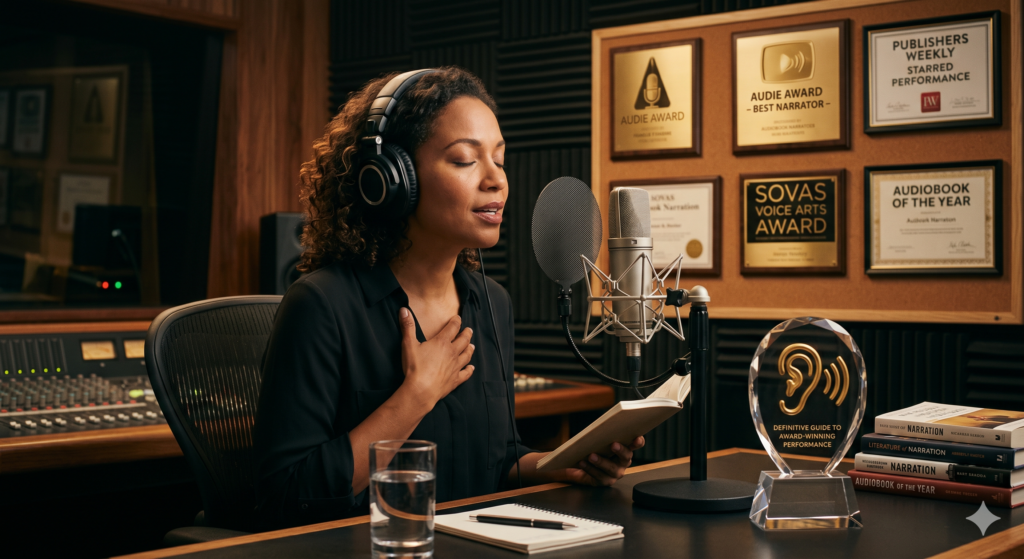

Performance recovery is an art few voice actors master with finesse. When narration meets uninspired text, the listening experience risks becoming tedious or disengaging. Yet, certain elite voice actors possess the unique skill to breathe life into even the driest audiobook content. This article explores how their performance recovery techniques transform limp prose into immersive auditory journeys. Drawing from a blend of audio production expertise and literary criticism, I will dissect the nuances that elevate their narrations beyond mere reading. From vocal dynamics to technical precision, these narrators exemplify how quality can resurrect uninspiring scripts and captivate listeners.
How Elite Voice Actors Transform Even the Driest Audiobooks
Understanding the Challenge of Dry Text
Dry audiobooks present a complex problem for narrators and producers alike. The text often lacks natural rhythm, emotional depth, or engaging pacing, making it difficult for listeners to stay focused. In genres like academic works, technical manuals, or historical treatises, the prose can be dense and heavily factual. This situation demands narrators who not only read aloud but interpret and enrich every sentence. Elite voice actors approach this challenge with a conscious intent to find the subtext, emotional undercurrents, and subtle tonal shifts in the text. This transforms the material from lifeless words to compelling narration.
Successful transformation begins with a deep understanding of the text’s purpose and audience. The voice actor must internalize the author’s intent while anticipating listener fatigue. They then inject nuances such as varied intonation, carefully measured pauses, and strategic emphasis to create a dynamic listening experience. Importantly, they avoid overacting, which can feel artificial. Instead, they strike a balance between naturalism and theatricality. By doing so, they rescue dry content from monotony and make complex ideas accessible and engaging.
Furthermore, production quality is paramount. Elite narrators collaborate closely with audio engineers to ensure optimal sound fidelity—clear articulation, balanced volume levels, and the absence of distracting artifacts like vocal fry or breath noises. Their skill set extends beyond voice control to an acute awareness of audio technology, which enhances the overall immersion. This attention to detail complements their performance, ensuring that every word is presented with clarity and emotional resonance, regardless of the source material’s dryness.
Characterization Without Characters
Driest audiobooks often lack vivid characters or dialogue, common devices that intrigue listeners. Elite voice actors use subtle techniques to simulate character differentiation even in narrative-heavy or instructional texts. This can include slight shifts in pitch, tempo, or energy to delineate viewpoints, highlight important facts, or mark transitions in the text. These changes are often so nuanced that listeners feel guided rather than lectured.
Rather than traditional character voices, these narrators employ a technique I term “Vocal Signposting.” This involves auditory cues—such as a softer tone to indicate reflection or a brisk pace to signal urgency. These cues orient listeners through the text’s structure and emotional layers. For example, in memoir or biographical audiobooks with limited dialogue, the narrator might subtly alter tone to suggest intimacy or distance without breaking narrative flow. This technique is vital for maintaining engagement in content that lacks overt dramatization.
This approach also respects the author’s voice by avoiding exaggerated dramatics that might undermine authenticity. Instead, it prioritizes clarity and pacing, allowing listeners to absorb information effectively. Elite voice actors understand that in dry texts, their performance must serve the narrative’s integrity while compensating for the absence of intrinsic emotional hooks. Their ability to maintain listener interest through nuanced vocal control makes all the difference.
Emotional Anchoring in Uninspiring Narratives
Emotions drive listener connection, yet dry texts rarely provide explicit emotional material. Elite narrators excel at finding emotional anchors within the prose. They listen for moments that offer glimpses into the human experience beneath the factual surface, such as subtle irony, ethical dilemmas, or poignant observations. Once identified, they carefully amplify these moments through vocal expression.
For instance, a technical book on environmental policy might seem sterile until the narrator highlights the urgency embedded in certain passages or the moral weight behind statistics. By adjusting tone and emphasis, they create an emotional undercurrent that resonates with listeners. This kind of performance recovery requires sensitivity and restraint; it is not about inserting emotions where none exist, but revealing the latent feelings the author intended to communicate.
The result is an audiobook that feels alive, thoughtful, and textured. This emotional framing transforms the listening experience from information consumption to reflection. It also invites listener empathy, which is essential for retention and enjoyment. Elite voice actors bring out these emotional nuances without compromising clarity, demonstrating their mastery of both literary analysis and vocal technique.
Key Techniques Behind Their Unmatched Performance Recovery
Mastery of Pacing and Rhythm
One fundamental technique elite voice actors use is mastering pacing and rhythm. Dry texts often have uneven or monotonous cadence, risking listener disengagement. Skilled narrators adjust their pacing dynamically, speeding up during less critical sections and slowing down when complex information or emotional weight demands attention. This modulation prevents listener fatigue and enhances comprehension.
Timing also plays a role in creating suspense or relief. Strategic pauses, for example, can signal importance or allow listeners to absorb dense content. Elite narrators avoid mechanical delivery by maintaining a natural flow that reflects human speech patterns. They listen closely to the text’s syntactic structure and use breathing techniques to ensure smooth transitions between phrases. This creates a seamless narrative arc that supports immersion.
In addition to speed, rhythm incorporates stress patterns and intonation. Varying emphasis on key words or phrases can subtly shift meaning or highlight relationships within the text. This approach is particularly effective in academic or philosophical works where nuance matters. Through pacing and rhythm mastery, these narrators transform what could be a dry recital into an engaging journey.
Vocal Texture and Tonal Variation
Another key technique is the deliberate use of vocal texture and tonal variation. Elite voice actors understand how to manipulate their voice quality to maintain listener interest. This includes shifting between warm, resonant tones and lighter, brighter registers to match content mood. They use vocal fry sparingly to convey authenticity or vulnerability without causing listener fatigue.
Tonal variation helps distinguish sections of the text or signal changes in perspective. For example, a narrator might use a firmer, more authoritative tone for expository parts and a softer, reflective tone for personal anecdotes. This technique enriches the listening experience by creating subtle contrasts that guide emotional response and intellectual engagement.
Moreover, skilled narrators leverage breath control to modulate volume and intensity. Controlled breath support ensures clarity in difficult passages and prevents a monotonous drone. This control also reduces unwanted vocal strain, preserving performance quality over long recording sessions. The interplay of texture and tone is a hallmark of elite narration, enabling recovery of performance even when the text is inherently challenging.
Integration of Soundscapes and Ambient Audio
While narration is central, the integration of soundscapes and ambient audio elevates performance recovery to another level. Elite voice actors often collaborate with sound designers to incorporate subtle environmental sounds or effects that enhance narrative context. For example, gentle background sounds in a historical or travel memoir can create a sense of place without distracting from the voice.
This technique supports immersion by engaging multiple senses and reinforcing the story world. However, the use of sound must be judicious. Overuse or inappropriate soundscapes risk overwhelming the narration or breaking the listener’s focus. Elite narrators and producers carefully balance these elements to complement rather than compete with the vocal performance.
Spatial audio techniques also contribute to this effect. Using stereo panning or binaural recording can create a more three-dimensional listening experience, making dry text feel more intimate or immediate. These production nuances underscore the role of audio fidelity and technical know-how in performance recovery, showcasing how voice actors extend their craft beyond vocal delivery.
Performance Recovery in Action: 10 Elite Voice Actors Who Excel
1. Simon Vance
Simon Vance stands out for his impeccable clarity and versatility. His narration style embodies what I call the “Narrative Immersion Scale”, a framework measuring a narrator’s ability to maintain listener focus through tonal variation, pacing, and emotional resonance. Vance’s voice adapts effortlessly to genres ranging from dense historical texts to literary fiction. His performance recovery shines when facing dry material, as he uses subtle irony and rich vocal texture to enliven prose.
Vance’s control over pacing is exceptional. He knows when to slow down to emphasize key points and when to accelerate to maintain momentum. His breath control and diction ensure every word is intelligible, making complex material accessible. He also balances emotional anchoring without overstepping, which preserves the author’s voice and intention.
Moreover, Vance’s collaboration with sound engineers results in pristine audio fidelity. His recordings often feature minimal background noise and expertly calibrated volume levels. This technical precision enhances the overall listening experience, supporting his reputation as an elite audiobook narrator.
2. Kate Reading
Kate Reading’s narrative style is marked by warmth and subtle expressiveness. She excels at extracting emotional layers from seemingly dry texts. Her vocal texture shifts smoothly between authoritative and compassionate tones, creating an intimate connection with listeners. This ability to emotionally anchor content is key to her performance recovery.
Reading’s skillful use of pacing and rhythm also stands out. She employs measured pauses and carefully modulated tempo to break up dense passages. Her interpretations of academic works and biographical texts demonstrate a keen literary sensibility. She often highlights thematic undercurrents through tonal emphasis, helping listeners grasp the subtext.
Technically, Reading’s recordings maintain consistent clarity and avoid vocal fatigue. She balances brightness and warmth in her tone, ensuring sustained engagement. Her collaborative approach with producers integrates nuanced ambient audio to further enrich the narrative environment.
3. George Guidall
George Guidall’s narration is renowned for its gravitas and precision. He can transform challenging nonfiction and philosophical texts into compelling auditory experiences. Guidall’s vocal control allows him to use tonal variation strategically to highlight argumentation and counterpoints within the text. His pacing practices align with his understanding of complex material structure.
Guidall’s signature technique involves “Vocal Signposting,” guiding listeners through dense passages with subtle shifts in cadence and emphasis. This ensures sustained engagement even in the absence of traditional narrative elements. His voice carries a natural resonance that anchors listeners in the text’s intellectual terrain.
From a production standpoint, Guidall prioritizes sound clarity and minimal post-processing. His style lends itself well to clean, direct recordings that focus attention entirely on the narrative. This technical clarity complements his performance recovery capabilities by maintaining listener focus on content.
4. Cassandra Campbell
Cassandra Campbell is celebrated for her ability to balance intimacy and authority in narration. She employs vocal texture shifts to differentiate between informational and reflective passages. This nuanced approach rescues dry texts by creating a layered listening experience that feels both personal and scholarly.
Campbell’s pacing choices underscore her literary insight. She applies dramatic timing without overemphasis, allowing the text’s natural flow to guide her performance. Her breath control and articulation serve to clarify complex sentences, while her warm tone mitigates the dryness of certain subject matter.
Technically, Campbell’s recordings demonstrate high audio fidelity with balanced EQ and minimal noise. She often collaborates with sound professionals to incorporate subtle environmental cues, enhancing immersion without distraction. Her narration exemplifies how performance recovery integrates artistic and technical mastery.
5. Robin Miles
Robin Miles’s narration style stands out for its expressive clarity and rhythmic precision. She is particularly adept at navigating nonfiction and memoir genres that often contain dry or complex content. Miles uses variation in pitch and tempo to create momentum and emotional cues, facilitating listener retention.
Her technique involves strategic pauses and emphasis to transform dense text into digestible segments. She carefully modulates vocal intensity to reflect subtleties in tone, often identifying undercurrents of humor or irony in otherwise sober material. This skill is vital for engaging listeners through long stretches of exposition.
Production-wise, Miles’s recordings are characterized by crisp sound quality and controlled vocal delivery. She minimizes breath sounds and vocal fry, ensuring a pleasant listening experience over extended durations. Her approach highlights the intersection of vocal technique and audio production in successful performance recovery.
6. Dion Graham
Dion Graham is known for his commanding voice and detailed character differentiation. Even in dry texts, he employs subtle tonal shifts and pacing strategies to maintain interest. Graham’s approach is analytical yet warm, grounding his narration in both intellectual and emotional authenticity.
He uses pacing deliberately to emphasize key concepts and create a rhythm that reflects the text’s argumentation flow. His vocal texture varies from smooth to slightly gritty to match the mood and content density. This range enhances listener engagement.
From a technical perspective, Graham consistently produces clean, high-fidelity recordings. His collaboration with sound engineers ensures balanced volume and spatial clarity. This synergy between voice and production quality is essential for transforming dry audiobooks into compelling experiences.
7. Bahni Turpin
Bahni Turpin’s voice is distinctive for its versatility and emotional depth. She is adept at uncovering latent emotion in dry or complex texts, providing a performance that feels authentic and engaging. Turpin uses tonal variation and rhythm to emphasize narrative arcs and thematic elements.
Her pacing is adaptive, allowing technical or factual sections to breathe while accelerating through lighter material. This dynamic approach prevents monotony and fosters listener connection. Turpin’s vocal control also helps prevent listener fatigue during lengthy recordings.
Her recordings exhibit excellent clarity and minimal artifacts. She often integrates ambient sound subtly to complement the mood. This balance between voice and production quality exemplifies how performance recovery blends artistry with technical precision.
8. Scott Brick
Scott Brick is a master of pacing and emphasis, key in rescuing dry nonfiction audiobooks. His voice commands attention without overwhelming the listener. Brick’s technique centers on vocal signposting to guide audiences through complex arguments or timelines.
He modulates tempo and intonation to highlight cause-and-effect relationships and thematic shifts. Brick’s clear diction and controlled breath support make even the densest passages comprehensible. His narration style respects the text’s complexity while making it accessible.
Technically, Brick’s recordings are noted for their crispness and consistent volume levels. Careful editing removes distractions, focusing the listener on narrative flow. His work exemplifies how technical execution supports vocal performance in audiobook recovery.
9. January LaVoy
January LaVoy brings warmth and precision to dry audiobooks, often in academic or historical genres. She employs a balanced vocal texture that oscillates between authoritative and conversational tones. This duality engages listeners by making challenging content approachable.
LaVoy’s pacing is methodical yet flexible, using pauses and emphasis to clarify intricate points. Her breath control contributes to smooth narrative flow. She also uses tonal modulation to express subtle shifts in mood or argument, enriching the listening experience.
From a technical standpoint, LaVoy’s recordings feature clear sound profiles and balanced EQ settings. She collaborates closely with audio engineers to ensure clarity across listening devices. This technical polish enhances her performance recovery capability.
10. Dionne Bates
Dionne Bates combines expressive nuance with technical mastery to enliven even the driest texts. Her narration includes strategically varied pitch and pacing, making complex or factual content engaging. Bates excels at identifying and amplifying emotional subtext within dense prose.
Her vocal texture shifts between warmth and precision, supporting listener retention and comprehension. Bates’s breath control and articulation ensure clarity without sacrificing naturalism. She skillfully balances engagement with respect for authorial tone.
Her recordings exhibit superb audio fidelity, with careful noise reduction and volume leveling. She often integrates subtle soundscapes to augment atmosphere while maintaining vocal primacy. Her approach highlights the synergy between vocal artistry and production excellence.
The Narrative Immersion Scale: A Model for Performance Recovery
Defining the Scale
The Narrative Immersion Scale (NIS) is an original framework I developed to assess a narrator’s ability to recover performance in dry audiobooks. It evaluates immersion through five core dimensions: pacing, vocal texture, emotional anchoring, technical clarity, and contextual signposting. Each dimension is rated on a scale from 1 to 5, with 5 representing mastery.
This scale helps producers and critics identify strengths and weaknesses in audiobook performances and guides narrators aiming to elevate challenging text. The combined score reflects the narrator’s success in transforming uninspired prose into captivating audio.
Applying the Scale to Elite Narrators
Using the NIS, elite narrators like Simon Vance and Kate Reading score consistently high across all dimensions. For example, Vance’s pacing and emotional anchoring rate at 5, while his technical clarity scores 4.8, reflecting his near-flawless command of audio fidelity. Robin Miles excels in vocal texture and pacing, consistently scoring above 4.5.
This objective measure explains why these narrators can save dry audiobooks. Their performances engage listeners intellectually and emotionally while maintaining technical excellence, ensuring that the audio experience remains immersive.
Benefits for Production and Listener Experience
The Narrative Immersion Scale serves as a tool for both production teams and listeners. Producers can use it to select narrators suited for specific genre challenges or to provide targeted coaching. Listeners may use it to identify narrators who can enhance their enjoyment of dense or academic material.
More broadly, the NIS encourages a holistic approach to audiobook narration, integrating literary sensitivity with vocal artistry and technical know-how. This comprehensive perspective underlines the complexity of performance recovery and the elite status of narrators who master it.
Listener’s Evaluation Checklist for Performance Recovery
| Checklist Item | Description | Rating Scale (1-5) |
|---|---|---|
| Clarity of diction | Are words pronounced clearly without ambiguity? | |
| Pacing and rhythm | Is the pacing varied and suited to content? | |
| Emotional engagement | Does the narration evoke appropriate emotion? | |
| Vocal texture variation | Are tone and texture dynamically modulated? | |
| Technical audio quality | Is the sound free of distracting artifacts? | |
| Narrative signposting | Are transitions and structural cues clear? | |
| Ambient sound usage | Is background audio appropriate and non-distracting? | |
| Listener fatigue prevention | Does the narration maintain energy without fatigue? |
This checklist assists listeners in critically assessing how well an audiobook narrator recovers and elevates dry material. It also highlights key areas narrators and producers should focus on during production.
Technical Specifications Impacting Performance Recovery
Bitrate and Audio Fidelity
Bitrate directly affects audio quality and listener immersion. Elite audiobook productions typically use bitrates of 192 kbps or higher to ensure clear voice reproduction and minimize compression artifacts. Higher bitrate preserves the nuances of vocal texture and breath sounds, crucial for performance recovery.
Lower bitrates can cause muffled speech and loss of subtle vocal cues, undermining the narrator’s efforts. Producers must balance file size with quality, especially for long audiobooks. Spatial audio formats like Dolby Atmos are emerging, offering enhanced depth and positioning, but require compatible playback devices.
Equipment and Recording Environment
The choice of microphone, preamp, and recording space significantly impacts audio clarity and vocal presence. Elite narrators often use condenser microphones with flat frequency response to capture natural voice timbre. Acoustic treatment reduces room reflections, preventing echo and background noise.
Professional studios maintain consistent sound levels and minimize ambient noise, preserving vocal detail. Additionally, post-processing tools like equalization, noise reduction, and compression are applied judiciously to maintain naturalness without introducing artifacts.
Spatial Audio and Sound Design Integration
Spatial audio techniques help create immersive soundscapes that support performance recovery. Binaural recordings place listeners in a three-dimensional sound field, enhancing narrative presence. Subtle sound effects or environmental ambiences add context without overshadowing narration.
However, improper mixing can distract or detract from performance. Elite productions maintain clear vocal focus while using spatial audio to enhance, not dominate, the listening experience. Collaboration between narrators and sound designers is essential for seamless integration.
Expert Listener FAQ
How does Dolby Atmos enhance audiobook immersion?
Dolby Atmos provides three-dimensional spatial audio that places sounds around the listener, creating a sense of presence and realism. In audiobooks, this technology can subtly position environmental sounds or character voices, increasing immersion. It supports performance recovery by enriching narrative context without distracting from the narrator’s voice. However, effective use requires careful mixing to avoid overshadowing narration. Playback devices must support Atmos for full effect, currently limiting its accessibility. Overall, Atmos offers a promising enhancement for audiobooks that prioritize atmospheric storytelling.
What are the ethical considerations of using AI voices versus human narrators?
AI narration raises concerns about authenticity, emotional depth, and creative integrity. While AI can produce clear, consistent speech, it lacks the nuanced emotional anchoring humans provide, which is essential in performance recovery. There are also ethical questions about replacing human employment and consent from authors and narrators regarding voice replication. AudiobookMagic.co.uk emphasizes human artistry for these reasons, valuing narrators’ interpretative skills and investment in storytelling. Transparency about AI use and respecting artistic rights remain critical as technology evolves.
How does foley design contribute to modern fiction audiobooks?
Foley design adds realism through recreated everyday sounds synchronized with the narrative. In fiction audiobooks, this technique enhances immersion by creating a rich auditory environment. For dry or minimalist texts, foley can provide subtle background layers that support the narrator without overpowering the voice. It underscores actions, settings, and mood shifts, aiding listener engagement and emotional connection. Foley requires precision to avoid distraction, demanding collaboration between sound designers and narrators. Its thoughtful application enriches the audiobook medium’s storytelling capability.
What is vocal fry, and how does it affect listener fatigue?
Vocal fry is a low, creaky vibration produced by relaxed vocal folds, often used sparingly for stylistic effect. Excessive vocal fry in narration can cause listener discomfort and fatigue by reducing vocal clarity and adding an unnatural rasp. Elite narrators minimize vocal fry unless deliberately employed to convey specific emotions. Proper breath support and microphone technique help reduce unwanted fry. Maintaining vocal health over lengthy recordings is essential to consistent performance recovery and listener satisfaction.
How does pacing influence comprehension in dense academic audiobooks?
Pacing controls how information is delivered and absorbed. In dense academic audiobooks, too fast a pace overwhelms the listener, while too slow a pace risks boredom. Elite narrators modulate pacing, using strategic pauses and varying tempo to highlight important points and allow cognitive processing. This dynamic pacing enhances comprehension and retention. Pacing also aids emotional engagement by providing breathing room for ideas to resonate. Mastery of pacing protects against listener fatigue and enhances overall immersion.
What recording equipment is best suited for capturing vocal nuance?
Condenser microphones with a wide frequency response and low self-noise are preferred to capture the full vocal spectrum. Examples include the Neumann U87 or Sennheiser MKH 416. High-quality preamps and digital audio converters ensure signal integrity. Acoustic treatment minimizes reflections and noise, preserving vocal nuance. Monitoring with professional headphones allows real-time adjustment. This setup supports the clarity and depth needed for performance recovery, making the narrator’s voice the central, expressive element.
Conclusion: Elevating Narration Beyond the Script
Elite voice actors demonstrate that performance recovery is a multifaceted craft. Their ability to transform dry texts into engaging audio requires expertise in vocal technique, literary interpretation, and technical production. By mastering pacing, tonal variation, and emotional anchoring, they create immersive experiences that respect the author’s intent while captivating listeners. The integration of soundscapes and pristine audio fidelity further enhances their work, underscoring the importance of collaboration within audiobook production.
The Narrative Immersion Scale offers a structured lens through which to appreciate these narrators’ skills, revealing how each dimension contributes to overall engagement. AudiobookMagic.co.uk champions such artisanal narration as essential to the medium’s future. In a market flooded with content, these elite performers elevate audiobooks from mere recordings to profound auditory journeys, proving that even the driest text can be saved with the right voice.