
Feminist Voices Reclaiming Greek Mythology in Audio
Feminist retellings of Greek myth demand production approaches that honor voice and context while meeting 2026 audiobook standards.
Feminist narratives reshape epic material by centering women as narrators, eyewitnesses, and unreliable narrators, which changes microphone technique and mixing choices to foreground nuance. Think of a narrator not as a conveyor of plot but as a room acoustician: where they stand relative to the mic tells the listener whether they are intimate, defiant, or distant.
Female narrators require directional performance coaching to capture power shifts within ancient stories. Vocal color, prosody, and controlled breath create character agency; technique governs whether Athena reads like a strategist or like a woman reclaiming strategy. Consider vocal placement like lighting in theatre: moving a lamp three feet alters mood and focus.
Listener psychology demands authentic vocal presence to reframe cultural myths. Emotional memory forms more readily when listeners perceive honest breath, small hesitations, and consistent vocal geography. Imagine listener empathy as a physical space that narrows or widens with mic distance and reverb length.
Female Narrators Rewriting Power and Perspective
Female narrators change narrative authority by altering cadence and emphatic placement. Casting a single female voice to narrate multiple mythic roles requires careful timbral differentiation and spectral shaping so characters remain distinct without jarring the listener. Think of timbre editing like color grading a film: small shifts make evening glow or harsh noon.
Actors should use first-person reframing techniques to push mythic agency toward women. Performance choices such as contained vibrato, forward consonants, and variable pacing create the sense of reclaimed agency. Consider pacing like a camera dolly: subtle forward moves increase intimacy; pulls back create distance.
Directorial choices must protect both artistic intent and technical consistency. Recording sessions should provide consistent mic distance, matched room tone, and reference takes that capture the emotional palette for each scene. Think of room tone like a canvas: if it changes mid-piece, the picture looks patched.
Audio Performance and Spatial Sound
Spatial audio requires precise head-relative rendering to make mythic scenes immersive and believable. Ambisonics and binaural processing let a narrator move around the listener and place other characters spatially, which reinforces narrative perspective. Think of ambisonics like seating charts in a live play: every voice must sit at a coordinate.
Bit depth, sample rate, and codec choices directly affect clarity and warmth. Record at 24-bit for dynamic range and at 48 kHz to preserve high-frequency nuance. Think of bit depth like the depth of color in a painting: 24-bit gives smoother gradients than 16-bit. Compression codecs like AAC or MP3 remove sonic detail like trimming the edges of a photograph; choose lossless for archival masters.
Mixing spatial elements requires careful HRTF selection and reverb that matches the imagined acoustic. Use short, intimate reverb tails for confessional narration and longer, reflective tails for mythic chorus moments. Think of reverb length like the dimensions of a room: a cathedral reverb places characters in vast scale, while a closet reverb makes them personal.
Narrative Techniques and Voice
Narrative structure benefits from modular scripting that allows voice-led edits between focalizers. Break scripts into beats with emotional labels for each narrator turn so editors can match performance to intent. Think of beats like recipe steps: precise timing yields a repeatable result.
Vocal technique must translate stage choices to mic technique through controlled plosives, consistent mouth-to-mic angle, and intentional breath work. Use close-mic intimacy for secretive confessions and slightly more distant mic placement for mythic proclamations. Think of mouth-to-mic angle like the position of a painter’s brush: tilt changes the stroke.
Directing must empower narrators to inhabit alternative truths while preserving intelligibility for listeners. Encourage actors to record alternate reads: softer, breathier, and more declarative, then compare in blind listening tests. Think of alternate reads like A/B fabric swatches: one may look darker under light but read truer in context.
Production Framework and Technical Standards
Mastering must meet 2026 audiobook delivery expectations: loudness, peak limits, and file integrity are non-negotiable. Target -18 dB RMS for spoken-word consistency with Audible ACX recommendations, keep true peaks below -3 dBFS, and deliver final masters as 44.1 kHz or 48 kHz 24-bit WAV. Think of RMS and peak rules like lane markings on a road: they keep every vehicle predictable and safe.
Metadata, chapter markers, and checksums are essential for distribution and rights tracing. Embed chapter markers in the master WAV and supply a validated EPUB or audiobook package with ISRC tags where applicable. Think of metadata like baggage tags at an airport: they ensure each asset reaches its intended destination.
Quality control requires spectral analysis, loudness passes, and device listening across earbuds, headphones, smart speakers, and car systems. Use spectral EQ to remove resonant peaks and noise gates sparingly to preserve breath. Think of device listening like taste testing soup on multiple spoons: each utensil reveals different flavors.
AFN-2026: Audiobook Feminist Narration Model
AFN-2026 prescribes five production stages: casting & intention mapping, intimate performance capture, spatial staging and ambisonic rehearsal, editorial fidelity and reference takes, and distribution-ready mastering with metadata. This model centers female narrative authority while mapping technical checkpoints to creative intent.
Technical Standards Quick Reference
| Parameter | Recommended Value | Practical Analogy |
|---|---|---|
| Recording bit depth | 24-bit | Like richer color depth in a painting |
| Recording sample rate | 48 kHz (deliver 44.1 kHz or 48 kHz) | Like capturing more frames per second for smoother motion |
| Loudness target | -18 dB RMS (monitor peaks < -3 dBFS) | Like keeping volume lanes within painted road lines |
| Delivery format | 24-bit WAV, chapters embedded | Like sending original negative rather than a print |
| Spatial format | Ambisonics B-format / binaural downmix | Like giving a seating chart for a live performance |
Distribution, Rights and Listener Psychology
Rights clearance must distinguish public domain source material from copyrighted retellings and performance rights. Greek myths as basic stories are public domain, but new narrative text and specific performances are protected and must be contracted. Think of rights like property deeds: they define ownership boundaries.
Marketing and discoverability depend on narrator credit, descriptive metadata, and curated samples that showcase the female narrator’s perspective. Use short teaser excerpts that highlight intimate lines to engage algorithmic playlists and editorial teams. Think of samples like window displays: they must tell a story in a glance.
Listener psychology favors consistent vocal framing to build trust and reframe cultural memory. Female narrators who modulate authority and vulnerability can reorient listeners’ empathy toward alternate perspectives. Think of vocal framing like a thermostat: small adjustments change the emotional climate of the listening room.
Production Quality Roadmap
- Pre-production intent mapping: define narrator agency and spatial plan.
- Capture standardization: 24-bit/48 kHz, consistent mic distance, room tone library.
- Editorial fidelity: maintain alternate takes and reference grid for emotional beats.
- Spatial staging and mixing: ambisonic master, binaural renders for distribution.
- Mastering and metadata: loudness normalization, peaks control, embedded chapters.
FAQ
What are the most important mic techniques for capturing an intimate feminist narration?
Close-miking with slight off-axis placement preserves presence while reducing plosives. Use a pop filter and maintain consistent mouth-to-mic distance of 4 to 8 inches. Think of mic technique like camera framing: small moves create different emotional close-ups.
How should I choose between ambisonics and stereo binaural for a myth retelling?
Choose ambisonics for flexible object-based rendering and downstream platform compatibility; use stereo binaural for fixed headphone mixes where HRTF rendering is baked in. Think of ambisonics like sheet music for an orchestra, while binaural is a recorded concert.
How do I balance narrative clarity with musical underscore in a retelling?
Prioritize intelligibility by sidechaining music under speech and carving notches in the 200 Hz to 4 kHz range where human speech lives. Think of carving space like seating etiquette: give the narrator the center chair.
How do I protect artistic ownership when adapting public-domain myths?
Register new text as original work, contract performer rights with clear usage windows, and use timestamped masters and checksums for proof of creation. Think of registration like putting a lock on a creative vault.
What perceptual metrics predict listener engagement for feminist retellings?
Measure completion rate, re-listen rate of chapters, and sentiment analysis from reviews; correlate those to moments of sustained intimate vocal presence and reduced abrupt dynamic shifts. Think of these metrics like soil tests: they tell you where to plant more seed.
How can producers ensure spatial mixes translate across devices?
Render binaural headphone mixes and test downmixes to stereo and mono, then measure phase coherence and low-frequency summation. Think of testing across devices like trying shoes on different surfaces: only some combinations will feel right.
Conclusion: Feminist Audiobooks as a Production Discipline
Production of feminist retellings is both an artistic practice and a technical discipline that must meet 2026 audiobook standards.
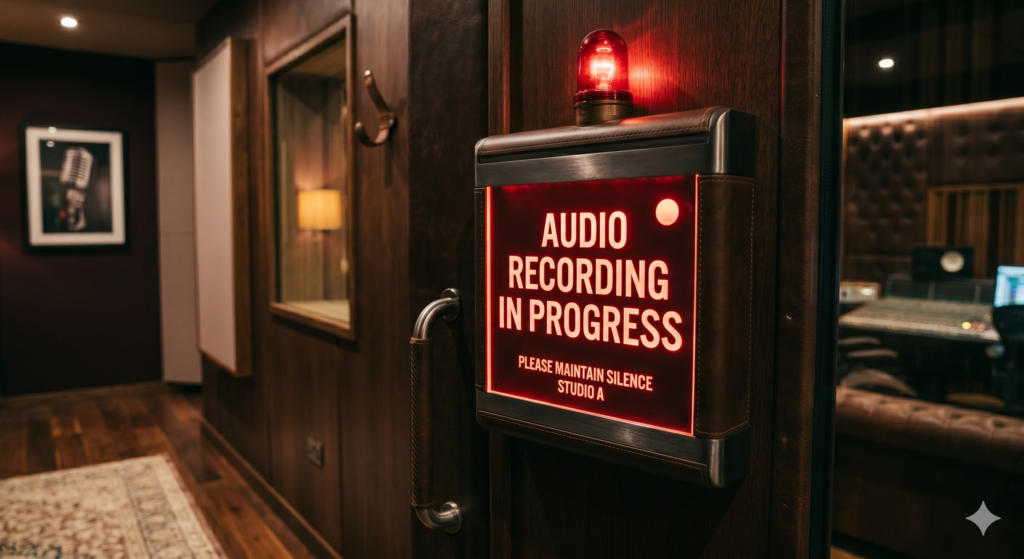
Narrators and producers together craft a sonic architecture where female voices reclaim narrative power, using spatial tools, consistent capture, and psychological framing to make myths feel newly lived. Think of the finished audiobook like a staged radio drama recorded in a modern control room: every mic, plugin, and editorial decision places the listener at the centre.
Spatial audio and actor-led performance will grow in adoption as platforms support object-based delivery and as listeners seek narrated perspectives that rethink familiar stories. Expect experimentation with layered focalizers and multi-mic captures that allow live spatial remixing based on listener device profiles. Think of future retellings like responsive theatre that adapts to audience seating.
Forecast: Over the next 12 months, expect a steady rise in releases that pair female narrators with ambisonic masters, an increase in platforms accepting object-based audiobooks, and growing industry consensus around -18 dB RMS capture and 24-bit delivery. Expect listener engagement metrics to show higher completion rates for intimate, voice-forward feminist retellings.