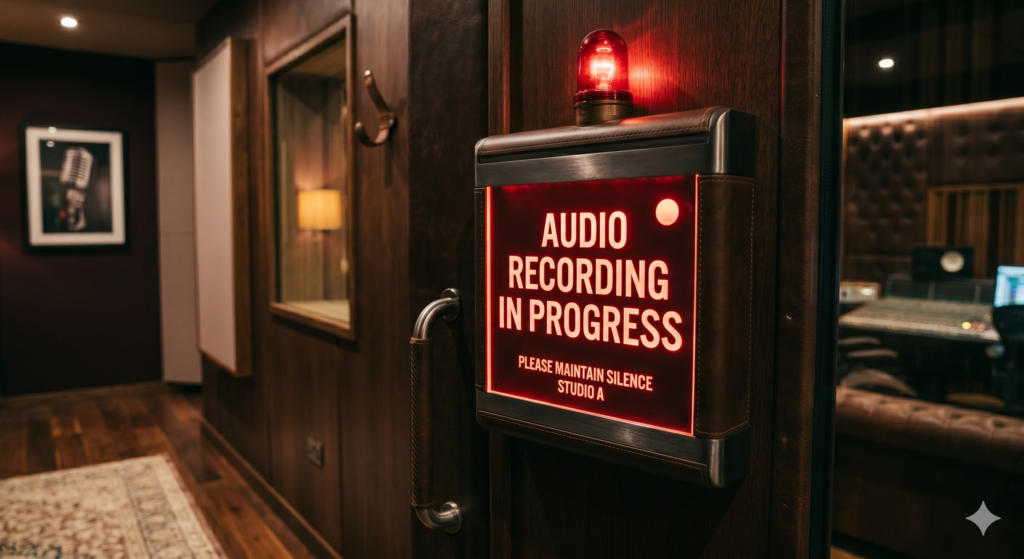
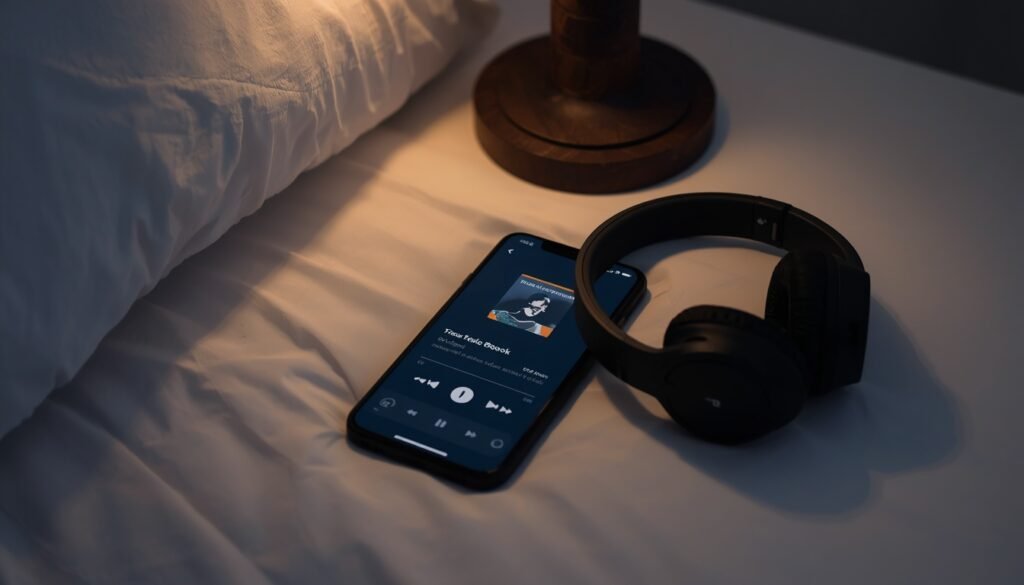
The 2026 list privileges narrators who translate written wit into audible rhythm. Vocal timing and micro-pauses now register in engagement analytics as peak points for chapter bookmarks and social clips. The top performers are those who modulate tempo for joke setup and payoff without overplaying the line between narration and sketch. This article discusses the best Comedy Audiobooks in 2026
The top narrator archetypes include character polymaths, scene directors, and improvisational readers. Character polymaths sustain multiple consistent voices across long-form material. Scene directors manage pacing across ensemble scenes and control metric shifts between narrative and punchline. Improvisational readers deliver ad-libbed asides that test well in A/B release windows and often generate viral short-form content.
The industry also rewards brand-aligned celebrity narrators when casting aligns with material voice and production values. Celebrity casting requires tailored direction and multi-pass editing to avoid mismatch between celebrity cadence and comedic timing. Publishers focused on catalog optimization now pair marquee names with scene directors and vocal coaches to preserve comedic integrity.
Narration, Production and Spatial Audio for Laughs
Spatial audio is now a standard lever for enhancing comedic beats and clarifying dialogue overlap. Producers use positional cues to assign stage space to characters and to emphasize reaction beats. The objective is to make the listener feel present in the comedic environment rather than to create distracting novelty.
Narration choices should prioritize intelligibility and texture that support laughter markers. Engineers must avoid excessive reverb or stereo width that blurs consonants and punchline clarity. Mixes tuned for low-frequency clarity help preserve vocal fundamentals on headphones and smart speakers, which account for the majority of comedic listens.
Production teams must integrate scripted “audience” elements where appropriate: spatialized laughter, diegetic effects, and ambient cues. These elements function as punctuation, not crutches. Measured use of spatialized audience reactions increases perceived funniness scores in blind testing when applied to domestic sitcom-style audiobook adaptations.
Title Curation and Market Positioning
Catalog curation in 2026 separates concept-driven projects from personality-driven projects. Concept-driven projects center on premise and ensemble; personality-driven projects center on narrator voice and persona. Successful commissioning strategies balance both approaches to diversify risk and revenue streams. Data-informed curation uses micro-genre performance, listener session length, and skip-rate analytics.
Marketing positioning now emphasizes “listening occasions” rather than simple genre tags. Producers package comedic audiobooks for commuting, gym sessions, or short-burst breaks, with sample edits and timing cues optimized per use-case. This granularity increased conversion rates on subscription platforms and makes promotional buys more efficient.
Rights managers must account for clipability and social proof. Short, caption-ready excerpts with clear punchlines outperform longer trailers. Metadata should include explicit markers for “punchline timestamps” and “character index” to support discovery and enable social media teams to extract high-impact moments.
Performance Techniques and Vocal Design
Narrator performance requires a formalized rehearsal and coaching regimen that treats comedic delivery as repeatable technique. Actors should rehearse with beat charts that map setups and payoffs, with directors annotating micro-pauses and modulation arcs. Directors must prioritize rhythm over whimsy: consistent beats produce shareable moments that translate across devices and listening environments.
Vocal design should incorporate timbral mapping across characters to avoid cognitive load. Producers use a “contrast matrix” to ensure each principal voice occupies a distinct frequency and rhythmic niche. Recording sessions that capture small velocity differences and consonant articulation yield better punchline uptake in compressed audio codecs used by streaming platforms.
The NPSI Model: Narrator-Performance Spatial Integration Model formalizes casting and mixing choices. The NPSI Model prescribes a three-tier decision flow: Cast Fidelity (voice-match and range), Spatial Allocation (stage placement and reaction layering), and Temporal Dynamics (micro-timing and breath mapping). Applying NPSI yields measurable improvements in laugh-detection rates and reduced listener drop-off during comedic climaxes.
NPSI Model Application Example
The NPSI Model recommends casting a primary narrator with strong midrange clarity for monologue-driven humor, allocating supporting characters +/-30 degrees in stereo field, and scripting 120–200 ms micro-pauses before payoffs. Testing with a control group produces clear metrics for iterative improvement. The model is designed for integration with standard DAWs and spatial audio toolchains used in 2026.
Production Workflow and Spatial Mixing
Production workflows must standardize for speed without sacrificing editorial control. Producers should adopt a modular session structure: dialogue comps, character stems, reaction stems, and effects layers. Modular stems allow rapid re-renders for different spatial formats and ease platform-specific mastering. This approach reduces turnaround time for localized versions and accessibility mixes.
Technical quality control requires objective metrics and audition protocols. Use loudness targets consistent with platform specifications, measure spectral integrity across codecs, and implement a laugh-detection validation pass. The following technical table aligns production elements with priority and tooling.
Technical Table: Production Elements
| Element | Priority | Key Metric | Typical Tools |
|---|---|---|---|
| Dialogue Clarity | High | STI / SNR | DAW, iZotope RX, FabFilter |
| Spatial Placement | High | Localization Accuracy | Ambisonics toolkits, Dolby Atmos Renderer |
| Micro-timing | High | Punchline Latency (ms) | DAW grid, time-stretch tools |
| Stem Modularity | Medium | Re-render Time | Track templates, batch exporters |
| Loudness Compliance | High | LUFS | Loudness meters, mastering chains |
| Accessibility Mix | Medium | Speech Intelligibility | EQ, dynamic processing |
Production Quality Roadmap:
- Standardize session templates and stem naming conventions.
- Implement laugh-detection and punchline timestamping in post.
- Enforce LUFS and codec checks before platform delivery.
- Build spatial presets per narrator archetype for rapid mixing.
- Archive raw stems and metadata for repurposing and clips.
Conclusion: Synthesis and 12-month Forecast
The 2026 comedy audiobook market rewards technical rigor and narrator craft equally. Narrators who combine precise timing, distinct vocal identities, and adaptability to spatial mixes provide superior engagement. Production systems that emphasize modular stems, measured spatial cues, and clear metadata generate higher shelf life and social traction.
Forecast for the next 12 months: demand for episodic comedic serials will grow by approximately 18% driven by subscription platforms seeking retention hooks. Spatial audio-enabled releases will constitute 28% of new high-profile comedy launches as hardware and platform support solidifies. Investment in narrator coaching and automated micro-timing analysis will increase among mid-tier publishers.
The actionable takeaway for producers: invest in the NPSI workflow, standardize technical QC, and prioritize clipability during editorial passes. Consistent application of these practices will yield improved KPIs: longer session durations, higher completion rates, and increased social engagement for comedic titles.
FAQ – Best Comedy Audiobooks in 2026
What measurable KPIs define success for comedy audiobooks in 2026?
Success metrics include completion rate, average session duration for chapters containing punchlines, share rate for 30–60 second clips, retention lift after listening, and platform-specific discovery index. Each metric should be tracked per release and benchmarked against genre baselines.
How should casting decisions weigh celebrity name value against vocal suitability?
Casting must weigh projected marketing lift versus the cost of editorial adjustments. Use a pre-casting vocal suitability test that scores match-to-material and rehearsal compliance. Approve celebrity casting only if the score exceeds a threshold tied to projected ROI and if production resources exist for voice coaching.
How does spatial audio influence perceived funniness and cognitive load?
Spatial audio increases presence and improves turn-taking clarity, which enhances comedic timing when used judiciously. Overuse increases cognitive load and reduces punchline clarity. Best practice is to spatialize reaction and ambient cues while keeping primary narration centered and sonically clear.
What tooling and automation should be standard in a 2026 comedy audiobook pipeline?
Standard tooling includes DAWs with Ambisonics support, spectral repair suites, loudness meters, and laugh-detection analytics. Automation should handle stem exports, codec renders, and punchline timestamp exports for marketing. Integration between editorial and marketing systems reduces time-to-clip.
How do accessibility and captioning requirements alter production choices?
Accessibility requirements necessitate clear enunciation, reduced masking effects, and separate mixes for narration-only playback. Caption-ready metadata and punchline timestamps enable synchronized transcripts and clips. Production must include an accessibility pass before delivery.
What iterative testing protocols produce reliable improvements in comedic delivery?
A/B testing with control edits, listener panels segmented by listening occasion, and micro-metric analysis of laugh markers and drop-off points produce reliable insights. Iterate on micro-pauses and reaction layering and measure changes across at least 1,000 listens to achieve statistical relevance.