The challenge of keeping children entertained on long road trips is a familiar story for many families. Kids’ audiobooks provide a compelling solution, turning hours of travel into immersive storytelling journeys. This article explores the Best Kids Audiobooks, emphasizing how narration, production quality, and sound design elevate the road trip experience. As a Senior Audio Producer and Literary Critic, I will guide you through expert analyses, technical insights, and strategic listening frameworks that ensure your family’s backseat time becomes the highlight of the trip.
Exploring Top Kids’ Audiobooks for Engaging Family Road Trips
Selecting Audiobooks for Different Age Groups
Choosing the right audiobook for children is vital for engagement. Younger kids, aged 3 to 7, benefit from stories with simple plots, rhythmic language, and expressive narration. Titles like “The Gruffalo” by Julia Donaldson stand out for their catchy rhymes and character voices. For this age group, clear diction and playful pacing keep attention and encourage repeated listening.
Older children, between 8 and 12, often prefer more complex stories with layered characters and themes. Series such as “Harry Potter” by J.K. Rowling or “Percy Jackson” by Rick Riordan provide adventure and emotional depth, sustaining interest over longer durations. Narration style here shifts toward dynamic range and subtle emotional cues, supporting children’s developing comprehension and empathy.
Families with mixed-age children face a unique challenge. Audiobooks that offer multi-layered storytelling and balanced pacing work best. Titles like “Charlotte’s Web” combine gentle humor and poignant moments, appealing across ages. A well-selected audiobook bridges generational tastes, keeping everyone engaged without repetition fatigue.
Genre Diversity and Storytelling Styles
Diversity of genre within children’s audiobooks creates compelling variety for long trips. Fantasy and adventure stories capture imagination and maintain excitement. Meanwhile, mysteries and historical fiction encourage curiosity and learning. Including nonfiction titles about animals, space, or science sparks educational discussions.
Narrative styles vary widely, from first-person diaries to omniscient third-person narratives. First-person styles immerse young listeners in the protagonist’s inner world, enhancing emotional connection. Third-person narratives offer broader perspectives and vivid scene-setting, often paired with soundscapes to bring environments alive.
Dialogue-driven audiobooks with multiple character voices increase engagement through vocal variety and interaction. Skilled narrators differentiate voices, genders, and ages, creating a theatrical experience. This variety breaks the monotony of a single narrator’s tone, ensuring attention is sustained for hours.
Classic Favorites Versus Contemporary Gems
Classics such as “Winnie the Pooh” and “Anne of Green Gables” remain staples. Their timeless themes and gentle narratives serve as comforting, familiar companions. Many classic audiobooks have been re-recorded with updated production techniques, improving sound clarity and narrator expressiveness.
Contemporary audiobooks often incorporate modern language, humor, and cultural references, making them relatable to today’s children. New releases may also feature immersive sound design, such as 3D audio and subtle Foley effects, enhancing the auditory landscape.
Balancing classics and modern titles allows families to enjoy nostalgia and fresh perspectives. A playlist combining both types encourages diversity in listening experiences. Parents can introduce beloved stories while exploring new voices that reflect current societal values and interests.
How Narration and Sound Design Enhance Long-Drive Listening
The Art of Narration: Voice, Pacing, and Emotional Tone
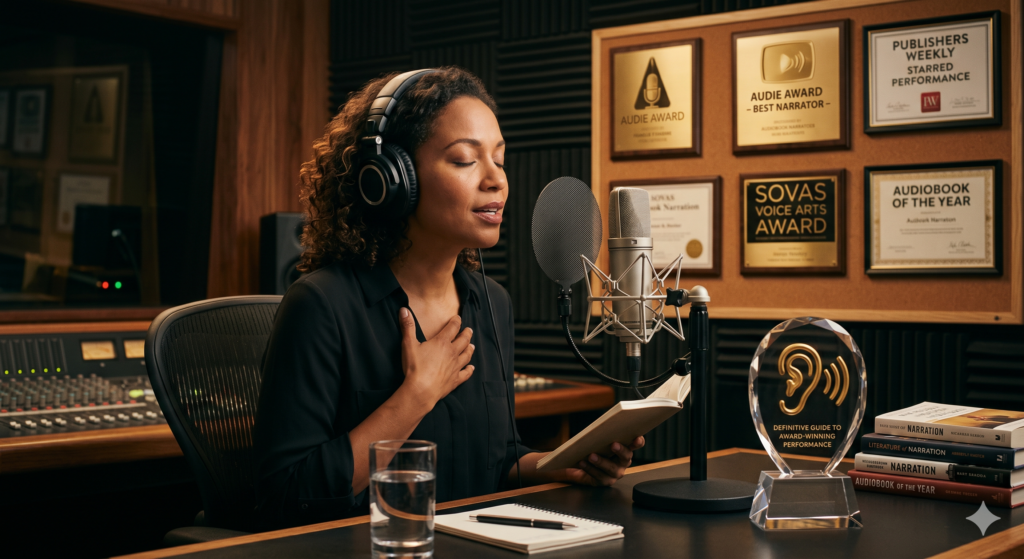
Narration quality is the cornerstone of successful children’s audiobooks. A narrator’s tone must be warm, clear, and adaptable to different characters and moods. Vocal dynamics such as pitch variation and controlled breathiness prevent listener fatigue and maintain emotional connection.
Pacing is critical. Too fast, and young listeners may miss details; too slow, and attention wanes. Expert narrators employ deliberate pacing shifts, speeding up during action scenes and slowing for reflection or dialogue. This rhythmic modulation supports comprehension and suspense.
Emotional tone conveys the narrator’s engagement with the story. Passionate narration invites children to feel joy, fear, or wonder alongside characters. The best narrators balance subtlety and expressiveness, avoiding overacting while still bringing text vividly to life.
Spatial Audio and Soundscapes: Creating Immersive Experiences
Sound design transforms audiobooks into immersive worlds, especially for children who rely heavily on auditory cues. Spatial audio techniques place sounds around the listener, creating a 3D effect suited for car speaker systems. This technique enhances realism, allowing kids to “hear” movement, nature, or weather.
Naturalistic soundscapes—rustling leaves, distant thunder, footsteps—build atmosphere without overwhelming the narrative. Effective use of Foley sound effects adds texture and makes scenes more tangible. However, sound design must be carefully balanced to avoid distracting from the narrator’s voice.
Audiobooks that integrate subtle background sounds increase immersion and engagement. For example, a forest adventure with chirping birds layered softly behind narration enriches the listening environment. This layered approach invites listeners to mentally inhabit the story’s setting, deepening the emotional impact.
Technical Production Nuances: Bitrate, Vocal Fry, and Audio Fidelity
Technical quality underpins listener satisfaction during long trips. High bitrate audio (128 kbps and above) preserves clarity, ensuring every word is crisp and every sound effect is distinct. Lower bitrate files risk muddiness, which strains young ears and reduces immersion.
Vocal fry, often an unintentional vocal texture, can add character and realism when used sparingly. Some narrators use controlled vocal fry to signal tiredness, suspense, or exasperation, which adds depth. However, excessive vocal fry can cause listener fatigue, especially for children.
Audio fidelity extends beyond bitrate to include mastering and mixing. Equalization balances frequencies to prevent harsh highs or muffled lows. Compression ensures volume consistency across chapters, preventing the need for constant volume adjustments. A well-produced audiobook minimizes distractions, making it ideal for uninterrupted road trip listening.
The Narrative Immersion Scale: Evaluating Audiobook Engagement
Introducing the Narrative Immersion Scale
The Narrative Immersion Scale (NIS) is a unique framework developed to assess how effectively an audiobook engages young listeners. It evaluates four key domains: narration quality, sound design, story complexity, and emotional resonance. Each domain is rated on a scale from 1 to 5, with 5 indicating peak immersion.
This scale helps parents and producers identify audiobooks that sustain attention and emotional involvement over extended periods. For example, a simple story with exceptional narration may score high in narration but moderate in complexity. Conversely, a complex narrative with less dynamic narration might score lower overall.
Using NIS encourages a holistic approach to audiobook selection. It highlights the importance of balancing technical excellence with storytelling depth, ensuring children remain captivated and enriched throughout the journey.
Applying the Scale to Popular Titles
Applying the Narrative Immersion Scale to “The Tale of Despereaux” reveals a strong 4 in narration and 4 in emotional resonance, reflecting the narrator’s expressive delivery and the story’s heartfelt themes. Sound design scores 3, as minimal effects are used, while story complexity rates 4 for its layered plot.
In contrast, “The Magic Tree House” series scores a 3 in complexity but a 5 in narration due to its engaging, energetic delivery. Sound design is moderate at 3, with occasional ambient effects. Emotional resonance scores a 3, suitable for younger listeners.
This comparative analysis helps families tailor their audiobook selections based on desired listening experience and age-appropriateness. The scale also guides producers in focusing on areas that enhance immersion.
Benefits of the Scale for Producers and Families
For producers, the Narrative Immersion Scale serves as a roadmap for refining audiobook production values. It emphasizes investments in voice coaching, sound engineering, and story editing, all crucial to creating a compelling listening environment.
Families benefit by using this scale as a checklist before purchase or download. It clarifies audiobook strengths and potential limitations, preventing wasted listening time. Parents can prioritize audiobooks that match their children’s preferences and road trip dynamics.
The scale also encourages active listening. Families can discuss each domain after listening sessions, enriching comprehension and bonding through shared evaluation. This approach transforms passive listening into an interactive, educational activity.
Listener’s Evaluation Checklist: Choosing the Ideal Kids’ Audiobook
Narration and Vocal Style
- Is the narrator’s voice clear, warm, and engaging?
- Does the narrator use appropriate pacing and intonation?
- Are character voices distinct and consistent?
- Does the vocal style avoid fatigue-inducing vocal fry?
Sound and Technical Quality
- Is the audio bitrate at least 128 kbps for clarity?
- Are background sounds balanced without drowning narration?
- Is volume consistent across chapters and scenes?
- Does the audio mix avoid harsh frequencies or muffled tones?
Story and Engagement
- Is the plot age-appropriate and captivating?
- Does the story include emotional depth and relatable themes?
- Are there opportunities for interactive discussion or learning?
- Does the story maintain interest over multiple sessions?
Family-Friendliness
- Does the content respect diverse cultural perspectives?
- Are there positive role models and constructive messages?
- Is the length suitable for typical trip durations?
- Does the audiobook accommodate mixed-age listening groups?
This checklist empowers parents to make informed decisions, maximizing enjoyment and educational value. It also aids in identifying hidden gems outside popular mainstream titles.
Expert Listener FAQ: Enhancing Your Audiobook Road Trip Experience
What is the impact of Dolby Atmos on kids’ audiobooks?
Dolby Atmos provides immersive 3D sound by adding height channels and object-based audio. For kids’ audiobooks, it enhances spatial awareness, enabling sounds to move realistically around the listener. This technology intensifies engagement and helps children visualize scenes. However, it requires compatible playback devices and careful mixing to avoid overwhelming young listeners. Used judiciously, Atmos can transform a simple narrative into a captivating soundscape, especially beneficial during long drives where visual distractions are limited.
How do narrators compare to AI voices ethically and artistically?
Narrators bring human nuance, emotional depth, and spontaneity to audiobooks, qualities AI voices currently lack. Ethically, favoring human narrators supports creative professionals and respects artistic integrity. AI voices risk sounding monotonous and depriving audiences of the emotional connection unique to human performance. While AI can augment accessibility, it cannot replicate subtle inflections or cultural authenticity. Producers and families should prioritize human narration for enriched storytelling and ethical media consumption.
What role does Foley design play in modern children’s fiction audiobooks?
Foley design recreates everyday sounds to enhance realism. In children’s fiction, Foley adds tactile texture that helps listeners imagine the action vividly. Footsteps on gravel, doors creaking, or fabric rustling create a multisensory experience. This technique supports immersion and aids comprehension, especially for younger children. Modern audiobooks use Foley sparingly to complement narration rather than compete. Skilled Foley artists collaborate closely with producers to maintain balance and narrative clarity.
How important is bitrate for long car journeys?
Higher bitrate ensures audio clarity and fidelity, which reduces listening fatigue over extended periods. In cars, ambient noise competes with audio quality, making bitrate critical. Files at 128 kbps or above retain detail in both voice and sound effects, preserving the narrator’s expressiveness and subtle soundscape layers. Lower bitrates risk distortion and muffling, causing children to strain to hear. Investing in higher bitrate files pays off in comfort and enjoyment during long trips.
What equipment optimizes kids’ audiobook playback on the road?
A quality car audio system with balanced frequency response and minimal distortion is essential. Wireless headphones with noise cancellation can be useful for individual listeners. Bluetooth connectivity supports device compatibility but sometimes compresses audio; a wired connection preserves fidelity. Devices supporting high-bitrate formats and spatial audio enhance the listening experience. Parents should test equipment beforehand and adjust volume to safe, comfortable levels to protect young ears.
How does pacing influence children’s retention of audiobook content?
Pacing affects cognitive processing and emotional engagement. Well-modulated pacing allows children to absorb details and anticipate story developments. Faster pacing during action builds excitement; slower pacing during reflection aids comprehension and emotional connection. Erratic pacing can confuse or bore listeners. Skilled narrators use pacing as a tool to reinforce narrative structure, improving retention and encouraging active listening, critical for educational and entertainment value.
Are audiobooks effective for children with different learning styles?
Yes, audiobooks cater to auditory learners by delivering stories through sound. They also support visual learners by stimulating imagination through vivid narration and soundscapes. Kinesthetic learners benefit when audiobooks encourage movement or interaction, such as sing-alongs or call-and-response elements. Integrating audiobooks with other media, like print books or apps, accommodates diverse learning styles, enhancing engagement and comprehension. Audiobooks provide a flexible, multisensory approach to learning and leisure.
What makes a narrator’s performance emotionally impactful?
Emotional impact arises from authenticity, vocal modulation, and timing. A narrator who genuinely connects with the text conveys subtle emotions through changes in tone, breath control, and pauses. These vocal signals guide listeners’ feelings without overwhelming them. Empathy in narration invites listeners to experience joy, fear, or sadness alongside characters. Avoiding exaggeration ensures a natural delivery that resonates deeply, making stories memorable and meaningful for children.
Technical Specs Comparison: Popular Audiobook Platforms and Formats
| Platform | Max Bitrate (kbps) | Spatial Audio Support | File Format | Device Compatibility | Pricing Model |
|---|---|---|---|---|---|
| Audible | 192 (Enhanced) | Dolby Atmos (Select) | AA, AAX (Proprietary) | iOS, Android, PC, Mac | Subscription/Per book |
| AudiobookMagic.co.uk | 256 (High Quality) | Stereo | MP3, M4B | Universal (Offline & Online) | Subscription/Single |
| Google Play Books | 192 | Stereo | MP3 | Android, iOS, Web | Per book |
| Kobo Audiobooks | 192 | Stereo | MP3 | iOS, Android, PC | Subscription/Per book |
| Libro.fm | 192 | Stereo | MP3 | iOS, Android, Web | Subscription/Per book |
This table assists families in selecting platforms that align with technical needs and playback preferences. Higher bitrate and format flexibility enhance listening experiences on the road.
Conclusion: Elevating Family Road Trips with the Best Kids Audiobooks
Choosing the right audiobook transforms long car journeys into shared adventures. By focusing on narration quality, sound design, and technical production, families create immersive experiences that engage children of all ages. The Narrative Immersion Scale and Listener’s Evaluation Checklist provide practical tools for selecting audiobooks that balance storytelling richness and auditory excellence.
Audiobooks with expert narration and thoughtful soundscapes foster imagination, empathy, and learning. Platforms like AudiobookMagic.co.uk offer varied selections with superior audio fidelity, making them ideal resources for families seeking quality content. Ultimately, the right audiobook becomes the backseat hero of any trip, entertaining and connecting every family member through the power of story.
Long road trips no longer need to be battles for attention. With the curated selection of children’s audiobooks combined with expert narration and immersive sound design, families can enjoy hours of peaceful, engaging entertainment. Investing in quality audiobooks enhances not just travel but lifelong relationships with stories and storytelling. Let the backseat hero lead your next family journey.