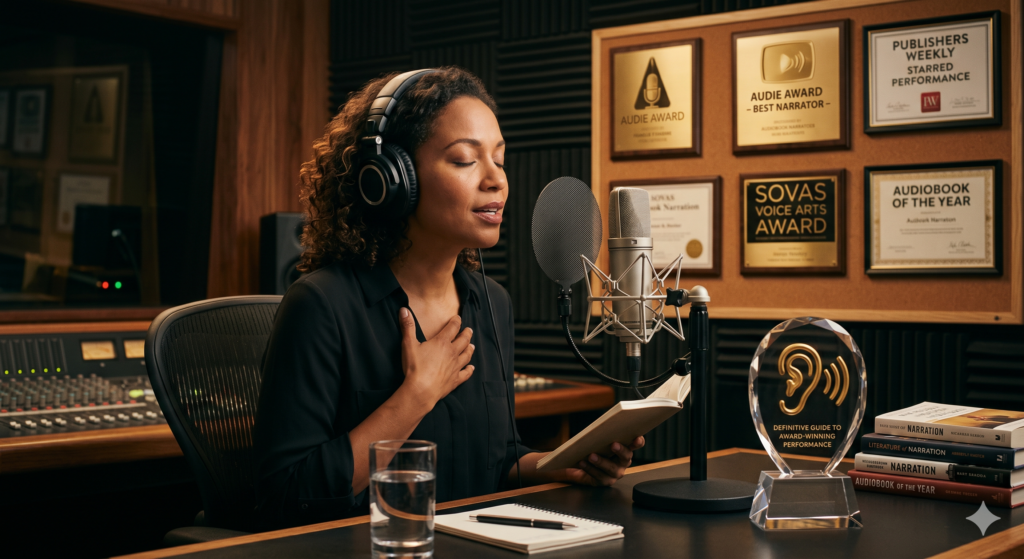
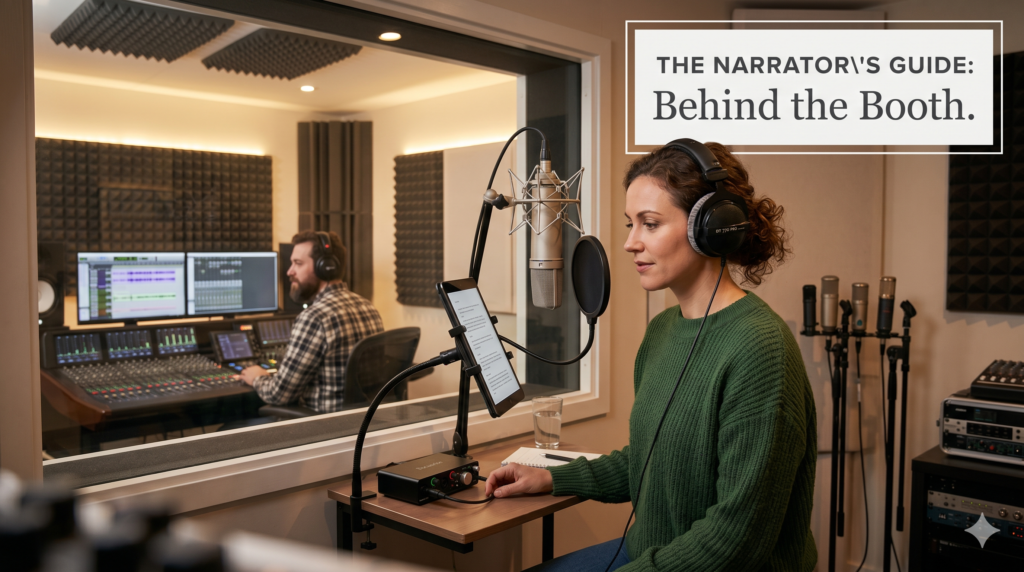
Creating a daily audiobook listening habit can enrich your literary experience while fitting seamlessly into your busy life. Yet, many struggle to establish a routine that lasts without feeling overwhelmed or guilty for “stealing time.” As a Senior Audio Producer and Literary Critic, I have observed how the nuances of narration, sound design, and immersion can transform a passive habit into a rewarding ritual. This article explores the psychology behind habit formation in listening and offers expert strategies on How to Create a Daily Listening Routine that enhances your connection to stories and soundscapes.
Understanding the Science Behind Habit Formation in Listening
The Neuroscience of Habit Formation
Habits form through the brain’s reward and habit loops, primarily involving the basal ganglia. When listening to audiobooks, the brain pairs the stimulus (the audio content) with a reward (enjoyment or relaxation), reinforcing the behavior. This process strengthens neural pathways, making the act of listening more automatic over time. Consistency is key: reinforcing daily triggers, such as a specific time or environment, accelerates habit solidification.
The brain also craves novelty and emotional engagement. Audiobooks with rich narration, dynamic pacing, and immersive soundscapes stimulate dopamine release, which enhances memory retention and the pleasure associated with the habit. By carefully selecting content that resonates emotionally or intellectually, listeners create a powerful incentive to return daily.
Understanding these neurological processes helps explain why some routines stick and others do not. By consciously designing your environment and audiobook choices to maximize positive feedback, you can override common barriers like distraction or guilt and establish a lasting listening discipline.
Habit Loops and Triggers Specific to Audiobook Listening
Audiobook habits rely heavily on contextual triggers. These cues initiate the listening routine and can be as simple as morning coffee, commuting, or winding down before bed. Identifying your natural daily rhythms and pairing listening with existing habits ensures smoother integration.
For instance, coupling your audiobook with a daily walk or household chores creates a “habit stack.” The existing habit acts as a trigger, lowering resistance to starting the audiobook. Over time, the brain associates the trigger with the reward of engaging storytelling, strengthening the loop.
It’s also important to differentiate between internal triggers (such as boredom or stress) and external ones (specific times or environments). Leveraging both types enriches your routine’s resilience. For example, listening during stressful moments can serve as an emotional outlet, reinforcing the habit’s value beyond mere entertainment.
Overcoming Psychological Barriers to Consistent Listening
Guilt often surfaces when time spent listening conflicts with other responsibilities or personal expectations. This psychological barrier can prevent habit formation or cause abandonment. To overcome it, redefine the listening routine as an act of self-care and intellectual growth, rather than time “wasted.”
Setting realistic goals reduces pressure. Instead of targeting lengthy sessions, commit to short, manageable intervals such as 10–15 minutes a day. This approach respects your schedule while gradually building momentum.
Additionally, cultivate a mindset that values the unique benefits of audiobooks. Research suggests audiobooks improve comprehension and empathy differently than reading text due to vocal nuance and pacing. Embracing this perspective transforms listening into a purposeful, enriching activity free from guilt.
Crafting a Guilt-Free Daily Audiobook Routine That Works
Designing a Listening Schedule That Fits Your Life
The foundation of any enduring habit is a feasible and enjoyable schedule. Begin by assessing your daily routine to find consistent pockets of time where listening can naturally fit. Consider times that are typically underutilized, such as cooking, commuting, or winding down in the evening.
Next, choose the optimal listening duration based on your attention span and lifestyle. Audiobooks demand cognitive engagement; short bursts prevent fatigue and maintain focus. A recommended starting point is 15–20 minutes per day, which is manageable and allows for enjoyment without overwhelm.
Importantly, use reminders or alarms as gentle nudges. Apps or smart devices can prompt listening sessions without pressure. Over weeks, these cues transition into automatic triggers, embedding the habit into your daily rhythm.
Selecting High-Quality Audiobooks for Maximum Engagement
Content quality directly impacts listener motivation. High production values—clear narration, appropriate pacing, and expertly mixed soundscapes—enhance immersion and reduce cognitive strain. Narration with varied tone, clarity, and emotional depth draws listeners deeper into the story.
The Audiobook Quality Framework can assist in selection:
| Criterion | Description | Importance Level |
|---|---|---|
| Narration Clarity | Crisp, intelligible voice with minimal vocal fry | High |
| Pacing | Balanced speed, allowing comprehension and engagement | High |
| Sound Fidelity | Clean audio with minimal distortion or background noise | Medium |
| Emotional Resonance | Narrator’s ability to convey mood and character | High |
| Production Effects | Judicious use of music or ambient sounds enhancing immersion | Medium |
By evaluating audiobooks through this lens, you can choose titles that sustain interest and make the listening experience enjoyable rather than a chore.
Creating a Positive Association to Prevent Guilt
To maintain a guilt-free habit, emotional framing is critical. Position listening as an enriching activity that contributes to well-being and intellectual stimulation. Reflect on how audiobooks offer unique benefits, such as exposure to complex narratives and vocal artistry that deepen your appreciation of literature.
Avoid multitasking that divides attention excessively, as this can diminish the emotional payoff and make listening feel like a lower priority. Instead, embrace mindful listening when possible, savoring the narrator’s performance and production quality.
Finally, track your progress with a Listener’s Evaluation Checklist to celebrate milestones and adjust your routine organically:
- Did I listen at a consistent time today?
- Was I engaged with the narration and pacing?
- Did I enjoy the production quality (clarity, soundscape)?
- Did listening make me feel relaxed or intellectually stimulated?
- How do I feel about today’s session—guilt or satisfaction?
This feedback loop supports positive reinforcement, reducing negative feelings and solidifying the habit.
Harnessing Narration Quality to Enhance Habit Formation
The Role of Vocal Nuance and Emotional Delivery
Narration is the heartbeat of audiobook listening. Vocal qualities such as tone, pitch variation, and articulation influence listener immersion. Skilled narrators use vocal fry and breath control to add texture without irritating the ear, creating a natural and emotionally engaging experience.
Emotional delivery is equally vital. A narrator who conveys subtleties in character mood and narrative tension guides listeners through the story’s emotional landscape. This connection stimulates empathy and attention, making daily listening sessions something to anticipate.
Choosing narrators whose style aligns with your preferences fosters stronger bonds. For example, some listeners prefer theatrical narrations for fiction, while others favor calm, steady voices for nonfiction. Personalizing your choices ensures the habit feels tailored and rewarding.
Pacing and Its Impact on Listener Retention
Pacing affects comprehension and enjoyment. Narrators who rush can overwhelm, while those too slow risk boredom. Optimal pacing balances narrative flow with listener comfort, allowing time for mental visualization and emotional processing.
The Narrative Immersion Scale helps evaluate pacing suitability:
| Scale Level | Description | Use Case |
|---|---|---|
| 1 – Slow | Extended pauses, deliberate enunciation | Poetry, reflective works |
| 2 – Moderate | Balanced speed, natural conversational | Most fiction and nonfiction |
| 3 – Fast | Rapid, energetic delivery | Thrillers, action genres |
Matching pacing with genre and personal listening speed maximizes retention and pleasure, encouraging habitual returns.
The Impact of Production Nuances on Habit Sustainability
Production quality shapes listener comfort and habit durability. High bitrate audio (128 kbps or above) ensures clarity without strain. Spatial audio or subtle ambient effects can create an immersive sound environment that transports the listener, making daily sessions more enticing.
Excessive background noise, distracting music, or poor microphone quality interfere with focus and can lead to frustration. Paying attention to these details when selecting audiobooks supports a seamless habit.
Producers who master transitions between narration and soundscapes enhance story immersion, which deepens listener engagement and motivation to maintain daily routines.
Integrating Audiobooks into Your Daily Life Without Stress
Habit Stacking: Pairing Listening with Established Activities
Integrating audiobooks into your routine benefits greatly from habit stacking—linking new habits to established ones. Listening while walking, cooking, or commuting allows you to utilize time efficiently without scheduling conflicts.
For instance, pairing listening with your morning coffee ritual or evening wind-down creates a predictable and enjoyable trigger. The key is to choose activities that do not require intense concentration, so auditory attention is optimized.
By stacking habits, you reduce friction and mental effort, making daily listening an effortless part of your lifestyle.
Avoiding Overcommitment and Burnout
Overcommitting to long listening sessions can cause fatigue and diminish motivation. Prioritize quality over quantity by setting achievable goals and respecting your limits. Audiobook listening demands cognitive and emotional engagement, which can tire the mind if forced.
Scheduling breaks or alternating genres helps maintain freshness. For example, balance dense nonfiction with lighter fiction or vice versa. This variety sustains interest and prevents burnout.
Remember, habit formation is a marathon, not a sprint. Regular, shorter sessions outpace sporadic marathon listening in building lasting routines.
Cultivating a Community for Support and Accountability
Social engagement around audiobooks strengthens habit persistence. Joining book clubs, online forums, or discussion groups focused on audiobooks introduces accountability and shared enthusiasm.
Discussing narrators, production quality, and storytelling techniques enriches the experience and deepens your appreciation. This community support lessens guilt by framing listening as a culturally valued pursuit.
Additionally, participating in challenges or shared listening goals can inject motivation and create positive pressure to maintain your routine.
Technical Essentials: Optimizing Your Audiobook Listening Setup
Equipment Recommendations for Optimal Audio Fidelity
A premium listening experience depends on good equipment. High-quality headphones or speakers with a flat frequency response reveal narration nuances and soundscapes without distortion.
Consider models that minimize vocal fry artifacts and offer comfortable wear for extended sessions. Closed-back headphones reduce environmental noise, enhancing immersion.
Portable, wireless designs suit on-the-go listening, while wired options typically offer stable, high-fidelity sound. Choose based on lifestyle and budget.
Configuring Playback Settings for Comfort and Clarity
Adjust playback speed to match your comprehension and preference. Most platforms allow fine-tuning from 0.75x to 2x speeds. Experiment with slight accelerations to improve efficiency without losing emotional depth.
Utilize equalizer settings to enhance vocal frequencies (typically 1-4 kHz) for clarity. Some apps support spatial audio or surround sound, adding dimensionality and immersion.
Volume should remain at safe levels to minimize ear strain, especially during long sessions.
Selecting Platforms That Support High-Quality Production Values
Not all audiobook platforms offer the same technical standards. Prioritize services that provide high bitrate files, support diverse narration styles, and allow offline downloads.
Features like bookmarks, sleep timers, and variable speed controls enhance usability and habit formation.
Some platforms curate recommendations based on listening patterns, helping discover narrators and genres that maintain engagement.
Exploring Genre-Specific Listening Metrics and Preferences
How Genre Influences Listening Duration and Frequency
Listeners tend to consume different genres in varied patterns. For example, thrillers and mysteries often encourage binge listening due to suspenseful pacing, while philosophical nonfiction may require slower, reflective sessions.
Table: Average Listening Habits by Genre
| Genre | Average Session Length | Weekly Frequency | Common Narrator Style |
|---|---|---|---|
| Fiction (Thriller) | 40-60 minutes | 5-6 sessions | Dynamic, fast-paced |
| Nonfiction (History) | 20-30 minutes | 3-4 sessions | Clear, steady, authoritative |
| Fantasy | 30-45 minutes | 4-5 sessions | Dramatic, theatrical |
| Self-Help | 15-25 minutes | 3-5 sessions | Warm, empathetic |
Understanding this helps tailor your routine to genre rhythms, preventing frustration or disengagement.
Narrator Styles That Complement Different Genres
Narrator voice and style can make or break genre immersion. Fiction often benefits from narrators who perform multiple character voices, adding theatricality. Nonfiction suits narrators with clear, steady delivery emphasizing clarity over dramatics.
Matching narrator energy with genre mood enhances immersion: a calm, measured voice suits contemplative works, while energetic, expressive narrators enliven fast-paced stories.
Leveraging Listener Preferences for Sustainable Habits
Listeners who identify preferred genres, narration styles, and production values are more likely to sustain daily habits. Keeping a log of favorite narrators and production qualities can guide future selections.
Experimentation remains important. Trying different genres or narrators can refresh your routine and prevent stagnation.
Measuring Your Progress: Tools and Techniques
Using Listening Analytics to Track Habit Formation
Many audiobook apps provide listening statistics such as total time, session frequency, and speed. Regularly reviewing these metrics helps assess consistency and highlight areas for improvement.
Tracking progress fosters accountability and reveals patterns, such as times of day when listening peaks or dips. Use this data to fine-tune your schedule.
The Listener’s Evaluation Checklist
A structured checklist supports mindful listening and habit reinforcement:
- Did I listen today?
- Was the session enjoyable and immersive?
- Did the narrator’s pacing and style fit the content?
- Was the audio fidelity satisfactory?
- Did I feel relaxed or intellectually stimulated?
- How long was my session?
- Did I experience any guilt or regret?
Regular reflection enables adjustments, maintaining the habit without negative emotions.
Setting Milestones and Rewarding Progress
Small rewards boost motivation. Milestones such as completing a chapter or finishing a book provide natural checkpoints.
Incorporate non-audio rewards like journaling insights, sharing thoughts with friends, or treating yourself to a new audiobook purchase.
Celebrating progress affirms positive associations and supports long-term commitment.
Expert Listener FAQ
What is the impact of Dolby Atmos on audiobook immersion?
Dolby Atmos adds spatial audio elements, creating multidimensional soundscapes that envelop the listener. In fiction, this technology enhances environment realism and character presence. However, not all audiobooks incorporate Atmos due to complexity and production cost. Listeners with compatible hardware can experience heightened immersion, but it is not essential for habit formation. The narrative and vocal performance remain the core drivers of engagement.
How do narrator ethics compare between human and AI voices?
Human narrators bring emotional depth, nuanced pacing, and improvisation that AI voices currently lack. Ethical concerns include job displacement and fair compensation. AI narration is improving but struggles with subtle vocal fry, emotional resonance, and pronunciation variability. Audiences generally prefer human narration for fiction, while AI may serve for technical or procedural content. Transparency about AI use is crucial to maintain trust.
What role does Foley design play in modern fiction audiobooks?
Foley artists create bespoke sound effects that enrich storytelling by mimicking environmental or character sounds. In audiobooks, subtle Foley enhances realism without distracting. This production technique deepens immersion, especially in genres like mystery or fantasy. However, overuse risks detracting from narration clarity. Balanced Foley design supports emotional engagement and listener retention.
How does bitrate affect audiobook quality?
Bitrate determines audio resolution. Higher bitrates (128 kbps or more) produce clearer sound, better preserving vocal nuances and reducing artifacts like sibilance or distortion. Low bitrate files can cause listener fatigue and hinder comprehension. Investing in higher bitrate audiobooks or streaming at high quality improves enjoyment and supports habit sustainability.
Does vocal fry impact listener fatigue?
Vocal fry, the creaky voice quality at low pitches, can add character when used sparingly. Excessive vocal fry, however, fatigues listeners and distracts from content. Narrators who control fry maintain clarity and comfort. Listener preference varies; some find fry stylistically engaging, while others find it off-putting. Production oversight ensures fry remains a deliberate artistic choice, not a flaw.
Can pacing adjustments improve comprehension for non-native speakers?
Yes. Non-native listeners often benefit from slower pacing to process language nuances. Many platforms allow speed modification without altering pitch, enabling customization. Slower pacing supports vocabulary acquisition and reduces cognitive load. Careful pacing adjustment fosters inclusivity and habit formation across diverse listener profiles.
How important is soundscape layering in audiobook production?
Soundscape layering involves combining ambient noises, music, and effects to create a rich audio environment. When skillfully balanced, it enhances narrative immersion and emotional cues. Poor layering can overwhelm narration or confuse listeners. Effective layering supports mood setting and transports listeners, making daily listening more compelling and habitual.
What technical setups best support audiobooks in spatial audio?
Spatial audio requires compatible headphones or speaker systems with multi-channel capability and software support. Devices like Apple AirPods Pro or Dolby Atmos-enabled speakers provide immersive experiences. Playback platforms must also support spatial formats. For daily listening habits, balancing high-fidelity hardware with portability ensures consistent access without compromise.
Conclusion: How to Create a Daily Listening Routine
Embracing Audiobooks as a Ritual of Enrichment
Creating a daily audiobook routine that sticks involves aligning neuroscience, production quality, and personal lifestyle. When approached thoughtfully, listening becomes a meaningful ritual that enriches both mind and mood.
Prioritizing Quality and Mindful Engagement
Selecting narrators and productions that resonate with your preferences optimizes enjoyment. Mindful listening fosters emotional connection and intellectual involvement, making each session rewarding rather than a chore.
Building Lasting Habits Without Guilt
Reframing audiobook listening as a vital form of self-care and cultural engagement eradicates guilt. By setting manageable goals, stacking habits, and engaging with community, you create a sustainable, guilt-free routine that grows with you.
Audiobooks offer a unique portal into stories and ideas. With expert insight and intentional practice, your daily listening habit can become a treasured, seamless part of your life.