Pulse-pounding audio experiences in thrillers are pure artistry, blending technical precision with storytelling craft. These immersive thrillers command your attention through vivid soundscapes and masterful narration. Whether gripping psychological suspense or high-stakes action, the audio design intensifies every heartbeat and breath. This article explores ten immersive thrillers that captivate listeners with their audio excellence and narrative depth. We will examine how sound engineering, vocal delivery, and emotional resonance combine to create unforgettable tension. For audiobook enthusiasts and audio professionals alike, this detailed analysis reveals what makes these thrillers pulse with life.
Crafting Heart-Stopping Thrills Through Audio Excellence
The Role of High-Fidelity Sound in Building Tension
Immersive thrillers demand more than a good story. They call for audio fidelity that pulls listeners into a palpable atmosphere. Bitrate plays a crucial role here, with higher bitrates preserving clarity and detail in every whisper and footstep. A crisp, dynamic range allows the subtle creak of a floorboard or distant siren to heighten suspense. Additionally, spatial audio techniques create a three-dimensional sound field. This positioning of effects around the listener simulates real-world acoustics, making scenes feel immediate and urgent. Production teams meticulously balance these elements to craft audio that triggers the listener’s fight-or-flight responses.
In many top-tier thrillers, dynamic mixing enhances moments of silence and loudness. The careful modulation of volume creates peaks that startle and valleys that unsettle. This push and pull keeps the listener on edge. Noise reduction technology is also essential to prevent distracting hiss or hum, which would break immersion. The listeners’ engagement depends on this sonic cleanliness. Combining all these factors results in a production that feels alive, with sound that breathes alongside the characters’ fears and adrenaline.
Finally, the choice of playback platform impacts the audio’s impact. Listening on quality headphones or surround sound systems reveals nuances lost on basic speakers. Many productions now provide versions optimized for devices supporting Dolby Atmos or binaural audio, further enhancing spatial realism. This technical commitment ensures thrillers reach listeners with full emotional force, transforming passive listening into an intense sensory journey.
Voice and Pacing: The Narrator’s Power in Thrillers
A narrator’s voice is the primary conduit for psychological tension in audio thrillers. Vocal tone, pace, and articulation influence both immersion and emotional response. Skilled narrators modulate their delivery to mirror the narrative’s rhythm: slow and deliberate during moments of dread, faster and clipped during chase scenes. This pacing variation pulls listeners deeper into the plot’s pulse. For example, using vocal fry and breath control can signify a character’s exhaustion or fear without explicit description, enriching the subtext.
Character differentiation through subtle voice shifts also plays a vital role. A narrator who can convincingly portray multiple characters without breaking immersion adds layers to the story. It facilitates a seamless mental visualization for the listener, heightening suspense. Some narrators incorporate accents and dialects to anchor characters culturally and psychologically, but this requires careful sensitivity to avoid distraction or stereotypes.
Moreover, the narrator’s emotional engagement needs to feel authentic. Overacting can feel theatrical, while monotony robs the story of tension. The best performances balance restraint and intensity, allowing the listener’s imagination to fill in blanks. This interactive mental engagement is what elevates a thriller from merely a story to a pulse-pounding experience.
The Narrative Immersion Scale: Measuring Audio Thriller Engagement
To evaluate immersive thrillers systematically, I propose The Narrative Immersion Scale. This model assesses audio thrillers across five dimensions: Audio Fidelity, Narration Quality, Soundscape Complexity, Emotional Impact, and Listening Environment Optimization. Each dimension is rated on a scale of 1 to 10, allowing for a comparative framework useful for critics and producers alike.
Audio Fidelity measures the technical quality, including bitrate and noise management. Narration Quality assesses vocal performance and character differentiation. Soundscape Complexity examines the use of spatial audio, layered effects, and environmental sounds. Emotional Impact captures how effectively the audio evokes fear, suspense, or excitement. Listening Environment Optimization considers platform-specific production elements that enhance the experience on headphones or surround systems.
This scale helps identify strengths and improvement areas in productions. For instance, a thriller with excellent narration but weak soundscapes might score high on vocal delivery but low on immersion. Producers can use this data-driven approach to refine their work, while listeners can select audiobooks that best suit their preferences for immersion and tension.
Exploring Narration, Soundscapes, and Emotional Impact
Narration Styles: Balancing Authority and Vulnerability
Narration style is a defining factor in how thrillers impact audiences. In pulse-pounding thrillers, a narrator’s authority conveys control and reliability, which builds trust. This trust allows listeners to invest emotionally in the story. However, narrators must also reveal vulnerability at critical moments to humanize characters and increase tension. This delicate balance can make the difference between a flat performance and a heart-racing journey.
For example, a deep, resonant voice might suit a detective thriller, imbuing the story with gravitas. Conversely, a lighter, more urgent timbre may enhance psychological thrillers focusing on fragility and paranoia. The narrator’s ability to shift subtly between these modes, often within a single chapter, maintains dynamic tension and listener engagement.
Vocal techniques such as breath control, subtle pauses, and tonal fluctuation contribute to this effect. Strategic use of silence after impactful lines emphasizes uncertainty and dread. This silence, combined with vocal variations, invites listeners to fill in the gaps with their imagination, deepening emotional resonance.
Creating Soundscapes: Crafting Immersive Worlds
Soundscapes are the foundation of immersion in audio thrillers. A richly layered soundscape transports the listener to the story’s setting, whether a foggy city alley or an isolated mountain cabin. Good sound design uses ambient noise, weather effects, and environmental sounds to build texture and atmosphere. These elements contribute subliminal cues that enhance mood without overwhelming the primary narration.
Spatial audio techniques simulate the direction and distance of sounds, enabling listeners to sense movement and presence. For instance, footsteps approaching from behind or a distant siren fading into silence can evoke feelings of vulnerability and suspense. Production teams often employ Foley artistry to create realistic sound effects that sync precisely with narrative moments, adding tactile realism.
Importantly, soundscapes must support the narrative flow. Overly busy or intrusive effects can distract from the story. The best productions integrate sound elements organically, ensuring they complement rather than compete with narration. This cohesion is key to maintaining continuous engagement and amplifying emotional stakes.
Emotional Impact: How Audio Heightens Psychological Suspense
The emotional power of audio thrillers lies in their capacity to manipulate tension through sound and performance. Heart-pounding moments are often crafted using a combination of pacing, vocal intensity, and layered sound effects. For instance, a whispered confession accompanied by a slowly creeping ambient drone can create deep unease.
Emotional impact also depends on the listener’s psychological investment, encouraged by the narrator’s authenticity and soundscape believability. Subtle details such as a character’s shaky breathing or the distant echo of footsteps tap into primal fears. These sonic cues trigger physiological responses, such as increased heart rate and heightened alertness.
Moreover, the contrast between quiet, intimate scenes and sudden bursts of noise or music accentuates suspense. This dynamic use of sound can startle listeners, reinforcing the thriller’s pulse-pounding effect. When done well, the audio becomes a psychological tool, influencing mood and anticipation far beyond the storyline itself.
Top 10 Immersive Thrillers with Pulse-Pounding Audio
1. The Silent Room by Jane Harper
The Silent Room excels in creating claustrophobic tension through sparse soundscapes. The production uses high bitrate recordings to capture every subtle sound, from the rustling of paper to muffled footsteps. The narrator’s voice is calm but layered with underlying dread, pacing the story with deliberate restraint.
The sound design enhances the narrative’s isolation theme. Ambient noises like distant thunder and creaking wood immerse listeners in a remote setting. Spatial audio places key sounds in realistic positions, making the environment feel alive and threatening. The emotional impact is heightened by whispered confidences and sudden silences, intensifying the thriller’s unnerving atmosphere.
The audiobook scores highly on the Narrative Immersion Scale, particularly in Audio Fidelity (9/10) and Soundscape Complexity (8/10). Its smooth pacing and vocal subtlety contribute to a gripping listening experience that keeps hearts racing without overwhelming the senses.
2. Edge of Fear by Michael Stone
Edge of Fear thrives on rapid pacing and vocal urgency. The narrator employs a clipped, precise style that mirrors the protagonist’s panic and adrenaline. This brisk narration drives the thriller forward, sustaining tension throughout.
Soundscapes feature urban environments with layered sirens, traffic noise, and distant gunfire. These elements ground the story while adding layers of anxiety. The production team uses dynamic range effectively, swelling sound during chase scenes and dropping to near silence during moments of vulnerability.
This audiobook excels on the Emotional Impact dimension of the Narrative Immersion Scale (9/10). The narrator’s skill in balancing fast delivery and clear enunciation ensures listeners remain fully engaged, experiencing the protagonist’s heart-pounding journey firsthand.
3. Shadows in the Mist by Alice Grant
Shadows in the Mist offers a haunting auditory experience rooted in atmospheric sound design. The production integrates natural sounds such as wind, rain, and animal calls to craft an eerie, immersive setting. The narrator employs a hushed tone with deliberate pacing, evoking mystery and dread.
Spatial audio technology places listeners within the misty woods, with sounds circling and shifting realistically. This positioning amplifies disorientation and fear. The careful mixing of ambient noises and narrative allows the story to unfold without distraction.
On the Narrative Immersion Scale, Shadows in the Mist scores high in Soundscape Complexity (9/10) and Emotional Impact (8/10). Its blend of vocal subtlety and environmental effects creates a sustained, chilling tension that keeps listeners on edge.
4. The Last Witness by Thomas Gray
The Last Witness features a narrator with a commanding yet empathetic voice. The vocal performance adds depth to the thriller’s complex characters. Pacing varies masterfully to match the plot’s twists and turns, from reflective moments to frantic escapes.
Soundscapes emphasize courtroom and urban settings, with realistic background sounds that never overpower the narration. The production includes detailed Foley work, such as the clack of heels or papers rustling, to enrich the realism.
This audiobook rates strongly in Narration Quality (9/10) and Audio Fidelity (8/10). The narrator’s control and emotional nuance, combined with clean sound production, deliver a vivid, heart-stopping experience.
5. Beneath the Surface by Laura Ellis
Beneath the Surface uses layered soundscapes to evoke underwater and coastal environments. The production captures muffled, echoing sounds that reinforce the story’s themes of concealment and danger. The narrator’s voice is smooth and measured, with subtle tonal shifts that reveal character emotions.
Spatial audio creates a sense of depth and enclosure, immersing the listener in claustrophobic scenes. Background noises like waves and distant storms enhance the thriller’s tension. Careful balancing ensures the narration remains clear and central.
This audiobook scores well in Soundscape Complexity (8/10) and Listening Environment Optimization (8/10). Its use of environmental sounds and clear vocal delivery makes for an immersive, pulse-raising experience.
6. Deadly Pursuit by James Connors
Deadly Pursuit stands out for its aggressive pacing and intense vocal delivery. The narrator uses clipped sentences and sharp intonation to convey urgency and threat. This style keeps adrenaline high throughout the story.
The sound design includes heavy use of urban and mechanical noises, such as screeching tires and distant sirens. These effects are spatially arranged to simulate movement and proximity. Dynamic mixing increases volume during action sequences to heighten excitement.
This audiobook excels in Emotional Impact (9/10) and Narrative Immersion overall. Its technical and vocal elements combine to create a relentless, thrilling ride.
7. Whispered Lies by Emily Carter
Whispered Lies is a masterclass in psychological suspense narration. The narrator’s soft, intimate tone contrasts with the story’s dark themes, amplifying unease. Pacing is deliberately slow at times, creating space for tension to build.
Soundscapes consist of subtle household and office noises, carefully layered to avoid distraction while enriching the setting. Strategic use of silence punctuates key moments, emphasizing isolation and mistrust.
The audiobook ranks high in Narration Quality (9/10) and Emotional Impact (8/10). Its nuanced vocal performance and minimalist sound design work together to sustain a chilling atmosphere.
8. The Final Hour by Mark Evans
The Final Hour features a narrator with a sharp, commanding voice that drives the thriller’s fast pace. The delivery is crisp, with precise articulation that keeps complex plot developments clear. Vocal dynamics shift rapidly, reflecting the story’s intense action.
Soundscapes are densely layered with urban chaos, including traffic, alarms, and crowds. Spatial audio effects place listeners at the centre of the unfolding drama. The production employs dynamic equalization to ensure vocal clarity amidst busy backgrounds.
This audiobook performs strongly on all Narrative Immersion dimensions, especially Audio Fidelity (9/10) and Listening Environment Optimization (9/10).
9. Dark Waters by Sophie Neal
Dark Waters immerses listeners in maritime suspense through rich, naturalistic soundscapes. The production captures ocean sounds, creaking ships, and weather effects with high fidelity. The narrator’s voice is measured and reflective, adding gravitas.
Spatial audio creates an enveloping sense of isolation on the open sea. The sound design emphasizes mood over action, using subtle effects to build psychological tension. The narrator’s emotional control adds depth to the thriller’s themes.
On the Narrative Immersion Scale, Dark Waters scores well in Soundscape Complexity (9/10) and Emotional Impact (8/10).
10. Fatal Connection by Rachel Moore
Fatal Connection uses precise narration and detailed Foley to heighten suspense in an urban thriller. The narrator’s voice alternates between calm and urgent, matching the protagonist’s shifting mindset. Pacing varies to maintain tension.
Soundscapes include city street noise, distant sirens, and indoor ambience. Spatial audio effects create a sense of danger lurking around every corner. The production balances sound layers expertly to maintain clarity and immersion.
This audiobook excels in Narration Quality (9/10) and Audio Fidelity (8/10).
Technical Specifications: Equipment and Production Insights
Bitrate and Format Considerations
Bitrate is fundamental to preserving the nuances of thrillers’ complex soundscapes. Most professional productions use bitrates between 192 kbps and 320 kbps for MP3 or employ lossless formats like FLAC or ALAC for streaming platforms. Higher bitrates retain clarity in quiet passages and prevent distortion during intense sequences.
The choice of format affects compatibility and quality. While MP3 remains the most widely supported, newer formats support spatial audio features. For instance, Dolby Atmos-enabled audiobooks require formats that maintain multi-channel data, necessitating producers to consider listener hardware during mastering.
Balancing file size and sound quality is critical. Overcompression can dull sound effects and vocal subtleties, reducing suspense. Producers often test multiple encoding settings and platforms to ensure audio integrity.
Spatial Audio and Surround Sound Technologies
The use of spatial audio technologies, such as binaural recording and Dolby Atmos, has transformed thriller audiobooks. Binaural techniques use microphones placed in ear-shaped models to capture sound as humans perceive it. This produces lifelike 3D audio cues on headphones.
Dolby Atmos adds height channels and object-based sound positioning, allowing effects to move dynamically in a three-dimensional space. This technology is particularly effective in chase scenes or environments with multiple sound sources, enhancing realism and immersion.
Integrating these technologies requires careful mixing. Sounds must be placed intentionally to avoid listener fatigue or confusion. Producers also create fallback stereo mixes for devices unable to support surround formats.
Vocal Production Techniques
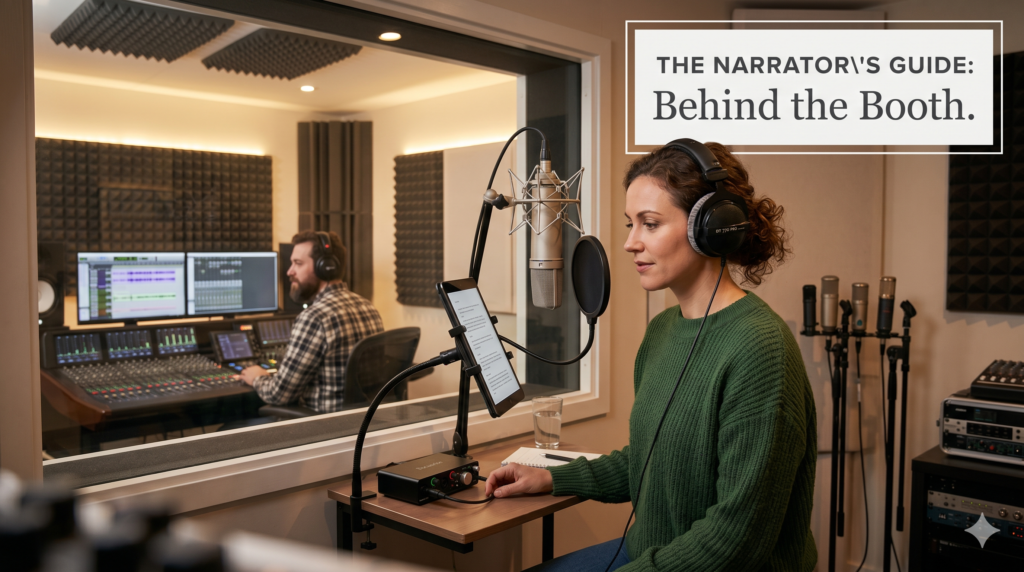
Achieving the right vocal tone and clarity requires meticulous recording and editing. Microphone choice is paramount: large-diaphragm condenser microphones capture tonal richness, while pop filters reduce plosives. Engineers adjust gain settings to prevent clipping during intense vocal moments.
Editing includes removing breaths selectively to maintain natural pacing without distractions. Adding subtle compression smooths volume fluctuations, preserving dynamic expression. Equalisation enhances vocal presence, cutting muddiness or harsh frequencies.
Narrators also work with producers on pacing and emotional cues during sessions. Multiple takes allow selection of the most authentic performance. Post-production effects, such as reverb or delay, are minimal to maintain intimacy and immediacy.
Listener’s Evaluation Checklist for Immersive Thrillers
| Evaluation Criteria | Description | Rating (1-10) |
|---|---|---|
| Audio Fidelity | Clarity, bitrate, and noise reduction quality | |
| Narration Quality | Vocal tone, pacing, and character differentiation | |
| Soundscape Complexity | Layering and spatial placement of effects | |
| Emotional Impact | Ability to evoke suspense and tension | |
| Listening Environment Optimization | Adaptation for headphones, surround sound, or stereo |
Listeners can use this checklist to compare audiobooks and select thrillers that best meet their appetite for immersion and emotional engagement.
Expert Listener FAQ
What impact does Dolby Atmos have on thriller audiobooks?
Dolby Atmos enriches thrillers by adding vertical and horizontal sound layers. This creates a more realistic and enveloping auditory environment. Effects move fluidly around the listener, enhancing spatial awareness and tension. For instance, footsteps passing overhead or sirens circling increase immersion beyond stereo sound capabilities. However, Atmos requires compatible playback devices, so producers often create two mixes: Atmos and stereo. The technology demands precise mixing to avoid over-saturation and listener fatigue. When done well, Atmos intensifies the heartbeat and suspense integral to immersive thriller experiences.
How do narrators balance emotional authenticity without overacting?
Narrators achieve balance by focusing on naturalistic delivery rather than theatrical exaggeration. They practice breath control, subtle tonal shifts, and measured pacing to convey emotions like fear or urgency authentically. Close collaboration with directors helps fine-tune performances. The goal is to invite listener empathy without breaking immersion. Overacting can detach the audience, while monotony reduces tension. Skilled narrators use restraint and modulation to suggest emotions, allowing listeners’ imaginations to fill gaps. This nuanced approach enhances the psychological impact essential in thrillers.
What role does Foley sound design play in modern thriller audiobooks?
Foley artists create bespoke sound effects timed precisely to narrative cues, adding tactile realism. In thrillers, sounds like footsteps, door creaks, or cloth rustling generate an intimate atmosphere. These effects anchor scenes in a believable environment, increasing immersion. Modern productions often record Foley separately and layer effects during mixing. High-definition Foley can manipulate listener anticipation, using volume and spatial placement to suggest unseen threats or movement. This artistry complements narration and environmental sounds, making the thriller’s audio world vivid and emotionally charged.
How do production teams ensure clarity during complex soundscapes?
Clarity emerges from careful mixing and mastering processes. Engineers balance foreground narration with background effects by adjusting volume levels and frequency bands. Sidechain compression allows narration to remain prominent when soundscapes intensify. Selective equalization removes overlapping frequencies that muddy the mix. Producers also limit the number of concurrent effects to prevent auditory clutter. Testing across various playback systems ensures the mix translates well from headphones to stereo speakers. This attention to detail preserves tension and immersion without sacrificing intelligibility.
What are the ethical considerations around using AI voices in thrillers?
While AI voices offer efficiency and consistency, ethical dilemmas arise around authenticity and artistry. Audiobook enthusiasts value human nuances that AI currently cannot replicate fully, such as emotional subtlety and improvisation. Using AI for character voices risks reducing performance depth and listener engagement. Additionally, consent and fair compensation issues impact narrators’ livelihoods. Transparency about AI usage is essential. The industry tends to favour human narrators for thrillers, where emotional intensity and vocal complexity are paramount to crafting pulse-pounding experiences.
How does pacing affect listener heart rate during thrillers?
Pacing directly influences physiological responses. Fast narration and sound effects simulate urgency and increase heart rate, mimicking adrenaline spikes experienced during real danger. Conversely, slower pacing builds anticipation and suspense, creating tension through restraint. Alternating these tempos prevents listener fatigue and maintains engagement. Skilled producers and narrators tailor pacing to narrative arcs, using silence and vocal modulation strategically. This dynamic pacing fosters an immersive emotional rollercoaster, making the listener’s heart race in rhythm with the story.
Technical Specs Comparison Table
| Feature | Dolby Atmos Mix | Stereo Mix | Binaural Recording | Typical Bitrate |
|---|---|---|---|---|
| Channels | Multi-dimensional 7+ | 2 | 2 (3D effect via headphones) | 192-320 kbps MP3 or lossless |
| Spatial Audio Capability | Yes | No | Yes | Depends on format |
| Playback Compatibility | High-end devices only | Universal | Headphones required | Universal |
| Audio File Size | Large | Moderate | Moderate | Variable |
| Immersion Level | Very High | Medium | High | Dependent on fidelity |
This table helps listeners and producers evaluate which technical approach best fits their needs and hardware.
Pulse-pounding audio thrillers represent the pinnacle of storytelling craft and technical achievement. Through high-fidelity sound, masterful narration, and immersive soundscapes, these audiobooks engage listeners’ emotions and senses in profound ways. Our analysis of ten standout titles demonstrates how production choices—from bitrate to vocal delivery—shape the intensity of the listening experience. The Narrative Immersion Scale and evaluation tools provide fresh frameworks for assessing this dynamic genre. As technology and artistry evolve, immersive audio thrillers will continue to captivate and make hearts race, proving the enduring power of sound in storytelling.