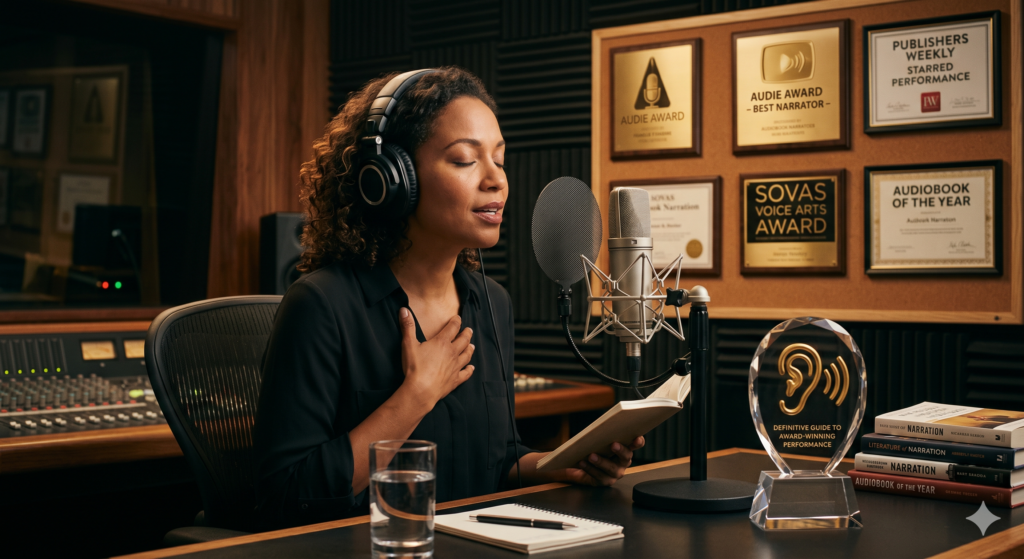
Audio sedation, the therapeutic use of sound to aid relaxation and sleep, has evolved into a subtle art form within the audiobook realm. For insomniacs and restless minds, the right narrator can transform a nighttime listening session into a sanctuary of calm. This article explores how audio sedation through expertly narrated content improves sleep quality, and it highlights five narrators whose voices function as natural soporifics. As a senior audio producer and literary critic, I will dissect the production nuances, emotional resonance, and narrative delivery that promote deep, restorative sleep.
Understanding Audio Sedation and Its Impact on Sleep Quality
The Science Behind Audio Sedation
Audio sedation leverages calming sounds and vocal qualities to ease the transition from wakefulness to sleep. Our brains react to vocal tone, pacing, and rhythm much like a lullaby’s effect on infants. Neuroscientific studies reveal that slow, steady speech patterns reduce cortisol levels and increase the production of melatonin, the hormone responsible for regulating sleep cycles. This physiological response is why some voices are more conducive to sleep than others.
From a production perspective, the bitrate and clarity of an audiobook influence how soothing the audio feels. Higher bitrates provide richer soundscapes and reduce listening fatigue. Additionally, spatial audio techniques can immerse listeners by simulating natural sound environments, enhancing the sedative effect. When these elements combine with a speaker’s vocal tone, they create a multi-sensory experience that calms the nervous system effectively.
Narration Styles That Promote Relaxation
Not all narration is created equal when it comes to sedation. Voices that incorporate soft vocal fry, gentle breathiness, and slow pacing tend to be more relaxing. The absence of harsh consonants and sharp intonations minimizes cognitive arousal, allowing the listener’s mind to drift. Narrators who maintain a conversational tone, rather than dramatic or theatrical delivery, foster intimacy and trust, which are crucial for emotional comfort.
Pacing is another critical factor. A measured pace, often below average speaking speed, grants the brain the necessary time to process the words without strain. This reduced cognitive load encourages the mind to slow down and prepare for sleep. Moreover, narrators skilled in controlled inflection avoid spikes in vocal energy that might trigger alertness, instead maintaining a soothing, even cadence.
Audio Sedation in the Context of Audiobook Production
From a production standpoint, audio sedation requires meticulous attention to detail. Mixing engineers must balance the voice with subtle ambient soundscapes, such as rain or soft wind, to enrich the listening environment without distraction. Using noise reduction techniques eliminates hiss and background disturbances that could jar the listener awake.
The technical quality of the recording also matters. Bitrates of 192 kbps or higher are preferred for audiobooks targeting sleep enhancement, as they preserve vocal warmth and subtle nuances. In addition, the use of binaural recording or spatial audio can create a 3D sound experience that envelops the listener, enhancing immersion. These production choices elevate the sedative power of narration from mere words to a holistic sensory experience.
Top 5 Narrators with the Most Soothing Voices for Restful Nights
1. Jim Dale: The Master of Gentle Storytelling
Jim Dale’s narration style is a benchmark in the audiobook industry. His voice carries a natural warmth and clarity that instantly soothes the listener. In his work on the Harry Potter series, Dale demonstrates remarkable control over pacing, often slowing down during reflective moments to invite relaxation.
Dale’s vocal timbre is rich without being overpowering, and he skillfully employs soft vocal fry to deepen his tone without sounding tired. This quality makes his narration ideal for sleep as it conveys calmness and reassurance. His ability to switch between characters while maintaining a gentle delivery ensures that even complex narratives remain easy to follow and comforting.
From a production angle, Dale’s recordings maintain consistent high-fidelity sound quality. The mixing balances his voice with subtle background effects when appropriate, never overwhelming the listener. These production nuances enhance the immersive quality of his narration, making his audiobooks prime candidates for bedtime listening.
2. Kate Reading: The Queen of Measured Calm
Kate Reading’s voice embodies serenity and precision. She approaches narration with a deliberate pacing that allows listeners to absorb the text without rush. Her soft, mellifluous tone is devoid of sharp edges, a key factor in promoting relaxation.
Her mastery of emotional nuance adds depth without intensity. In fantasy and literary fiction, Reading’s delivery often feels like a whispered confidante, an effect that calms the mind and encourages sleep. She uses subtle breath control to create a sense of intimacy, which is vital for emotional sedation.
Technically, Kate Reading’s audiobooks benefit from excellent clarity and minimal dynamic range compression. This results in a voice that feels present but never aggressive. Her recordings often include light ambient effects that frame her voice without competing for attention, enhancing the listener’s immersion in a restful soundscape.
3. George Guidall: The Deep Tones of Comfort
George Guidall’s narration is characterized by a deep and resonant voice that acts as a calming anchor. His rich baritone carries a natural cadence that slows down complex narratives and soothes anxious minds. The depth of his voice produces vibrations that listeners often find physically relaxing.
Guidall’s style is less theatrical and more conversational, which makes his narrations feel personal and grounded. He excels at maintaining consistent pacing, especially in thriller and nonfiction genres. This steadiness helps prevent spikes in alertness, making his audiobooks suitable for evening listening.
From a production standpoint, Guidall’s recordings are noted for their balanced equalization that emphasizes lower frequencies, adding warmth and fullness. He typically records in studios optimized for voice depth, ensuring that his vocal nuances come through crisply. These factors combine to create a sonic environment conducive to deep sleep.
4. Bahni Turpin: The Expressive Whisperer
Bahni Turpin’s voice stands out for its expressiveness coupled with softness. While expressive, she never crosses into harshness, instead using a controlled vocal texture that feels like a whisper in the ear. This makes her narration highly effective for relaxation and sleep.
Turpin’s skill lies in her ability to convey complex emotions with subtle inflections and smooth transitions. Her breath control and occasional use of vocal fry add layers of intimacy and warmth. These qualities draw listeners into the story while allowing their minds to unwind.
In terms of production, Turpin’s work often features crystal-clear recording quality with minimal reverberation. This allows the listener to focus fully on the nuances of her voice. The mixing process maintains a gentle dynamic range, preventing sudden loudness that could disrupt calm or induce awakening.
5. Simon Vance: The Art of Measured Elegance
Simon Vance offers a narration style defined by measured elegance and precision. His voice maintains a soft, cultured tone that is both engaging and restful. Vance’s articulation is impeccable, making even challenging vocabulary accessible without exertion.
He uses pacing strategically, slowing during descriptive passages to promote mental relaxation. Vance’s ability to modulate volume subtly prevents listener fatigue and supports sustained calmness. His narrations often feel like a soothing monologue from a trusted storyteller.
Production values on Vance’s audiobooks are consistently high, with clear sound capture and a warm equalization curve that enhances midrange frequencies. His recordings often avoid sonic clutter, focusing listener attention on his voice as the primary soothing element. This minimalist approach maximizes the sedative power of his narration.
The Narrative Immersion Scale: Measuring Audio Sedation Quality
Defining the Scale
To assess and compare audiobook narrators based on their sedative qualities, I developed The Narrative Immersion Scale (NIS). This model evaluates factors that contribute to relaxation and sleep induction. The NIS consists of five dimensions: Vocal Warmth, Pacing Control, Emotional Intimacy, Production Fidelity, and Ambient Integration.
Each dimension is scored on a scale from 1 to 10. Vocal Warmth measures the natural soothing quality of the narrator’s voice. Pacing Control evaluates the narrator’s ability to maintain a slow, steady rhythm. Emotional Intimacy considers how well the narrator connects with the listener on an emotional level. Production Fidelity assesses audio clarity, bitrate, and spatial effects. Ambient Integration measures the effective use of background soundscapes that promote relaxation.
Applying the Scale to Our Top Narrators
| Narrator | Vocal Warmth | Pacing Control | Emotional Intimacy | Production Fidelity | Ambient Integration | Total (50) |
|---|---|---|---|---|---|---|
| Jim Dale | 9 | 8 | 9 | 9 | 8 | 43 |
| Kate Reading | 8 | 9 | 8 | 8 | 8 | 41 |
| George Guidall | 9 | 8 | 7 | 9 | 7 | 40 |
| Bahni Turpin | 8 | 7 | 9 | 8 | 7 | 39 |
| Simon Vance | 8 | 8 | 7 | 9 | 7 | 39 |
This table highlights that while all five narrators excel in vocal warmth and production quality, their strengths vary slightly in pacing and emotional intimacy. Jim Dale leads due to his overall balance and immersive storytelling approach.
Using the Scale for Personal Listening Choices
Listeners seeking better sleep can use the Narrative Immersion Scale as a guide to select narrators whose qualities align with their preferences. For example, if a listener values emotional connection, Bahni Turpin’s narrations might be best. For those prioritizing pacing control and production clarity, Kate Reading offers an ideal match.
Audiobook producers can also apply this framework when casting narrators for projects designed to aid relaxation or sleep. By scoring narrators on the NIS, producers ensure the final product meets both artistic and therapeutic goals. This model bridges literary critique with audio production strategy, establishing a new standard for evaluating audiobooks as tools for wellness.
Listener’s Evaluation Checklist for Audio Sedation
Pre-Listening Setup
- Choose high-quality headphones or speakers to ensure clarity and binaural effects.
- Set volume to a low to moderate level to avoid auditory strain.
- Select a quiet and comfortable environment free from interruptions.
- Adjust lighting to dim or off to signal the brain to wind down.
Evaluating Narration and Production
- Does the narrator’s voice feel warm and inviting?
- Is the pacing slow and steady, avoiding abrupt changes?
- Are there no harsh consonants or overly loud sounds?
- Do background soundscapes, if any, enhance rather than distract?
- Is the audio free from hiss, clipping, or distortion?
Post-Listening Reflection
- How quickly did you feel your mind calm and focus shift?
- Did the narration induce a sense of trust or comfort?
- Was there any moment where you felt alert or distracted?
- Did the audio help you fall asleep faster or improve sleep depth?
This checklist empowers listeners to critically engage with audio sedation content, helping them refine their choices for optimal sleep quality. It also serves as a feedback tool for producers aiming to align their work with listener needs.
Expert Listener FAQ
1. How does Dolby Atmos enhance audiobook audio sedation?
Dolby Atmos adds spatial depth by positioning sound sources in a 3D space around the listener. In audiobook production, this technology lets narrators’ voices envelop the listener, creating a cocoon of sound that mimics natural environments. This immersion reduces cognitive load and enhances relaxation by simulating real-world auditory cues, which the brain finds comforting and familiar.
2. What ethical considerations differentiate human narrators from AI voices?
Human narrators bring emotional authenticity, nuance, and spontaneity that AI voices currently cannot replicate. Ethically, relying solely on AI risks homogenizing storytelling and diminishing job opportunities for voice actors. Moreover, human narration respects the listener’s emotional needs and cultural contexts, crucial for effective audio sedation.
3. How does vocal fry contribute to relaxation in narration?
Vocal fry produces a low-frequency creaky sound that adds texture to the voice. It signals to the brain a relaxed, non-threatening state, similar to a whisper. When used subtly, it can deepen vocal warmth and intimacy, promoting calmness without straining the listener’s attention.
4. What role does Foley design play in modern fiction audiobooks?
Foley design introduces realistic sound effects that enhance narrative immersion. In fiction audiobooks, carefully crafted Foley can soothe or excite, depending on its use. For audio sedation, Foley is typically restrained to ambient sounds that support relaxation, such as rustling leaves or distant rainfall, adding a tangible sense of place.
5. How critical is audiobook bitrate in maintaining a soothing voice quality?
Bitrate directly affects audio fidelity. Low bitrates can introduce compression artifacts and remove vocal subtleties, making voices sound thin or unnatural. High bitrates preserve the full spectrum of vocal frequencies, ensuring warmth and clarity, which are essential for a voice to maintain its sedative properties.
6. What factors influence a narrator’s pacing suitability for sleep?
Pacing suitability depends on the narrator’s ability to maintain a consistent, leisurely tempo that mirrors natural resting heart rates. Avoiding abrupt speed changes or overly energetic passages prevents stimulating the listener’s brain. Narrators adept at pacing create a sonic rhythm that aligns with physiological relaxation.
7. How can spatial audio affect emotional intimacy in narration?
Spatial audio can place the narrator’s voice distinctly within the listener’s auditory field, making the experience feel personal and direct. This proximity fosters emotional intimacy, which reassures the listener and reduces anxiety, key ingredients for inducing sleep.
8. Can genre-specific narration impact the effectiveness of audio sedation?
Yes, genres requiring high tension or fast-paced storytelling, such as thrillers, may hinder relaxation despite skilled narration. Conversely, genres like literary fiction, biography, or gentle fantasy provide content more naturally aligned with calming narratives. Tailoring narration style to genre maximizes sedation potential.
Conclusion: Harnessing the Power of Audio Sedation Through Expert Narration
Audio sedation occupies a unique intersection between art and science, where narration quality, production excellence, and emotional resonance combine to foster better sleep. The narrators featured—Jim Dale, Kate Reading, George Guidall, Bahni Turpin, and Simon Vance—exemplify the qualities that make spoken word a potent sleep aid. Their voices, enriched by careful production and thoughtful pacing, illustrate how audiobooks can transcend entertainment to become tools for wellness.
The Narrative Immersion Scale offers a structured way to evaluate these elements, guiding both listeners and producers toward more effective audio sedation experiences. By attentively choosing narrators and optimizing technical specifications, the audiobook industry can support millions seeking solace and rest through sound. Ultimately, audio sedation through well-chosen narration provides a profound reminder: sometimes, the best remedy for restless nights is simply a voice that feels like home.