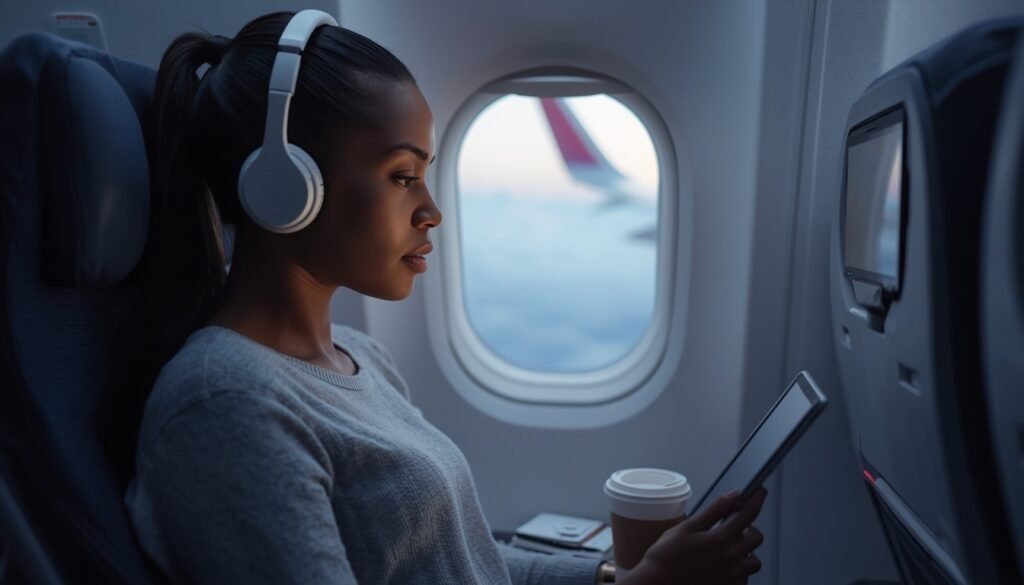

Kickstarter Bypassing Traditional Publishing Gates
Kickstarter provides a direct financial pipeline that lets creators fund audiobook projects without the traditional publisher advance. Creators can present a clear creative vision, sample performances, and production budgets so backers assess value before a finished product exists. This model reduces financial risk for creators and gives listeners a stake in the finished work, aligning incentives between maker and audience.
Kickstarter enables creators to bypass editorial and acquisition gatekeepers by validating demand through pledges and preorders. Projects that reach funding targets prove commercial viability and can negotiate better distribution terms if a publisher becomes interested later. This route shifts early power to communities and production teams rather than to a small set of acquisitions editors.
Kickstarter supports creative control by letting authors and audio producers retain intellectual property and creative decisions when they wish. Backers often accept experimental formats and staged readings that traditional houses decline because they lack established sales data. This freedom accelerates innovation in performance style, serial release models, and immersive audio experiments.
Kickstarter and the New Audiobook Ecosystem
Kickstarter creates a marketplace signal that informs production choices and casting without relying on incumbent gatekeepers. That signal is leverage: it helps creators secure talent, rent better rooms, and hire engineers with proven credentials. The presence of committed backers changes budgeting: it converts speculative art into funded production plans.
Kickstarter transforms audience building from a promotional afterthought into a production input that shapes narrative scope, episode length, and release cadence. Engaged backers provide feedback and early marketing through social proof that amplifies visibility. This early involvement shortens the timeline from concept to listener experience while raising expectations for production quality.
Crowdfunded Audio: New Routes for Storytellers
Crowdfunded audio enables authors and performers to experiment with episodic serials and hybrid formats without traditional gatekeepers approving market fit. Serial formats let creators iterate on pacing and character voices based on backer responses. That iterative approach treats production like stage rehearsals where live feedback refines performance.
Crowdfunded projects routinely combine performance art with narrative audio, producing staged readings, radio play hybrids, and actor-led workshops that focus on voice artistry. Casting choices can be guided by backer incentives such as exclusive rehearsals or patron-only notes. These choices foreground performance craft and let producers treat the audience as both critic and collaborator.
Crowdfunded audio places a premium on clear production planning because backers expect transparency about recording timelines, deliverables, and sound quality standards. Projects that include technical breakdowns of mic choice, studio time, and post production stages attract more confident funding. That transparency professionalizes indie production and nudges creators toward industry-standard workflows.
Production and Performance: Casting and Direction
Casting must be treated as a production decision that affects both performance quality and audience perception. Casting decisions now balance name recognition with actor fit and vocal consistency across episodes. Directors should plan sessions that prioritize consistency of breath, pitch, and emotional placement; these elements are the core of sustained immersion.
Performance direction needs metrics and reference files to maintain continuity across recording days and remote sessions. Directors can use short "character bibles" with reference takes to preserve timbre and pacing. Think of continuity files like wardrobe notes in theatre: they ensure the voice is dressed the same way each time.
Production teams must adopt a rehearsal cadence that mirrors live theatre while accounting for microphone techniques and room acoustics. Rehearsal should include microphone distance work, dynamic control exercises, and intentional silences so actors internalize spatial relationships. Treating the studio as a rehearsal hall helps performers deliver consistent, textured performances that survive close-mic capture.
Spatial Audio and Technical Standards
Spatial audio should be approached as a compositional tool that places the listener inside the scene rather than at the edge of it. Object-based spatial mixes let producers move voices and ambiences precisely, creating a sense of locality and motion. Think of object-based audio like pinning actors on a stage map so you can walk the listener through the scene.
Sample rate and bit depth must be chosen to preserve nuance without creating unnecessary file sizes. Use 48 kHz or 96 kHz sample rates for high-fidelity capture; think of sample rate like the number of photos taken per second to capture motion. Use 24-bit depth for recording dynamic range; think of bit depth like the number of shades of color in a painting, where more shades allow subtler gradients.
Compression codecs require careful selection to avoid smearing transients and vocal intimacy. Use lossless masters such as WAV or FLAC for archives and high-quality AAC or Opus for distribution when required. Think of compression like squeezing a sponge: too much pressure and the fine details are lost, but controlled pressure reduces bulk while keeping shape.
| Technical Table: Spatial and File Standards (2026) | Parameter | Recommended Value (2026) | Analogy |
|---|---|---|---|
| Sample Rate | 48 kHz for most, 96 kHz for high-res scenes | Like photo frames per second capturing motion | |
| Bit Depth | 24-bit recording, 16-bit delivery where needed | Like shades of color in a painting | |
| Loudness Standard | -18 LUFS integrated (production), -14 LUFS for streaming targets | Like average light level across a gallery | |
| File Formats | WAV/FLAC masters, Opus/AAC for streaming | Like keeping raw negatives then printing | |
| Spatial Format | Object-based (MPEG-H or Dolby Atmos) where available | Like placing actors on a 3D stage map | |
| Headphone Binaural | Use measured HRTFs or validated convolution | Like custom ear maps for each listener |
Production Quality Roadmap:
- Lock performance continuity with character reference files.
- Record clean dry takes plus room ambiences for flexibility.
- Use 24-bit WAV masters at 48 kHz or 96 kHz depending on content.
- Implement loudness metering to -18 LUFS for internal mixes.
- Archive stems and object metadata for future spatial remixes.
Listener Psychology and Narrative Immersion
Narrative immersion requires control of proximity and intimacy in the vocal performance and mix. Close-mic intimate narration creates a confiding relationship with the listener, while more distant miking implies observation. Think of proximity as conversational distance in a room: it defines trust and confidentiality.
Pacing and silence must be used strategically to manage cognitive load and emotional payout. Silence functions like a breath between sentences; it lets the listener assimilate information and react. Too little silence compresses emotional peaks; too much disperses momentum.
Voice timbre and consonant clarity drive comprehension and emotional color. Actors and engineers must target consistent sibilance control and steady spectral balance so the voice remains intelligible across devices. Think of timbre control like tuning a lamp: the right warmth makes skin tones glow without washing out detail.
Distribution, Rights, and Monetization
Distribution choices should reflect both discoverability and revenue transparency for backers and creators. Self-distribution platforms and direct downloads preserve higher revenue shares, while aggregators can add reach in exchange for fees. Think of distribution as choosing between running your own theatre or touring with a larger company; each has trade-offs in audience and control.
Rights negotiations must account for future spatial remixes and international audio formats. Creators should retain remix and object metadata rights or set clear sublicensing terms upfront. Think of rights like the map of a building: owning it determines what rooms you can change later.
Monetization strategies can layer subscription access, episodic unlocks, and exclusive backer content to create predictable cash flow. Kickstarter pledges can seed initial production and funnel listeners into subscription models post-release. Think of monetization like a season ticket: some fans pay for a full run, others pay per show.
The Audiobook Magic Production Model (AMPM)
AMPM establishes a repeatable roadmap that connects creative intent, spatial design, and listener psychology into a single production workflow. AMPM stages begin with narrative mapping, then move to performance capture, spatial mixing, validation with backers, and final delivery packaging for multiple endpoints. Think of AMPM as an assembly line where each station adds a layer of craft.
AMPM prescribes checkpoints tied to technical deliverables so backers and stakeholders can verify progress objectively. Checkpoints include raw session audits, spatial object maps, loudness reports, and final proofing across headphones and speakers. Think of these checkpoints like quality stamps on a handcrafted instrument before it leaves the workshop.
AMPM accommodates hybrid budgets by scaling object complexity, cast size, and delivery formats to funding levels. Smaller projects can lean on binaural mixes and intimate casts, while well-funded projects can commission full Atmos re-creations and complex ambiences. Think of AMPM like a modular toolkit where components snap together based on funding.
FAQ
What are the minimum audio specs I should promise to backers on Kickstarter?
Backers should be promised 24-bit WAV masters at 48 kHz as minimum for the project archive. Think of this promise like guaranteeing the original negative in photography so future prints can be made without loss.
How do I manage remote actors and maintain spatial consistency across takes?
Remote actors should use consistent mic models and capture chains, along with supplied reference tones and dry room captures for convolution. Think of consistent capture like using the same paintbrush across canvases so strokes match.
Can Kickstarter funding cover costs for Dolby Atmos or MPEG-H mixes?
Kickstarter funding can cover object-based mixes if stretch goals are structured for spatial deliverables and clear post production budgets are provided. Think of stretch goals as concert upgrades: extra funds buy a bigger stage and lighting rig.
How should I structure backer rewards without compromising distribution rights?
Backer rewards should be experiential or limited-edition items while preserving distribution rights for broad release. Think of rewards like backstage passes that do not include ownership of the play script.
What validation metrics matter to publishers if they later acquire a crowdfunded audiobook?
Completion rate of pledges, pre-orders post-campaign, and engagement metrics such as demo listen-through rates are persuasive. Think of these metrics like box office receipts and audience retention at previews.
How do I future-proof audio deliverables for new playback systems?
Future-proofing requires archiving object metadata, stems, and master mixes in high-resolution formats while documenting routing and panning maps. Think of this archive like storing plans and blueprints so a building can be retrofitted later.
Conclusion: Crowdfunded Audio Futures
Crowdfunded audio is reshaping production pipelines by turning audience interest into working capital and artistic validation. That shift allows creators to retain creative control, test innovative formats, and invest in higher production values earlier in the process. Kickstarter functions as both market test and pre-sale platform, compressing the feedback loop between idea and listener.
Crowdfunded projects must meet rising technical expectations by 2026 standards: 24-bit masters, loudness-aware mixes, and spatial object metadata where relevant. Producers who document their chains and follow AMPM checkpoints will ship more reliable products and maintain goodwill with backers. That discipline turns passionate communities into repeat customers and co-producers.
Crowdfunded audio will increasingly integrate serialized release strategies, spatial bonus content, and tiered monetization to sustain production beyond single campaigns. Over the next 12 months I predict a rise in hybrid releases where initial Kickstarter backer editions include exclusive spatial mixes, followed by broader releases optimized for major streaming targets and smart speaker experiences. Creators who adopt object-based archiving and transparent production roadmaps will capture the most value.
Final Notes for Producers
Crowdfunded audio demands craft, transparency, and technical rigor equal to traditional publishing but with more audience intimacy and creative control. Treat every pledge as a production contract that requires delivery, clarity, and archival foresight. The practices you adopt now will determine your ability to scale, remix, and monetize across platforms.
Meta Description: Crowdfunded audio via Kickstarter empowers creators to bypass traditional publishers with professional production workflows, spatial audio standards, and monetization roadmaps.
SEO Tags: Kickstarter,audiobook production,spatial audio,crowdfunding,audio engineering,listener psychology,audiobook distribution