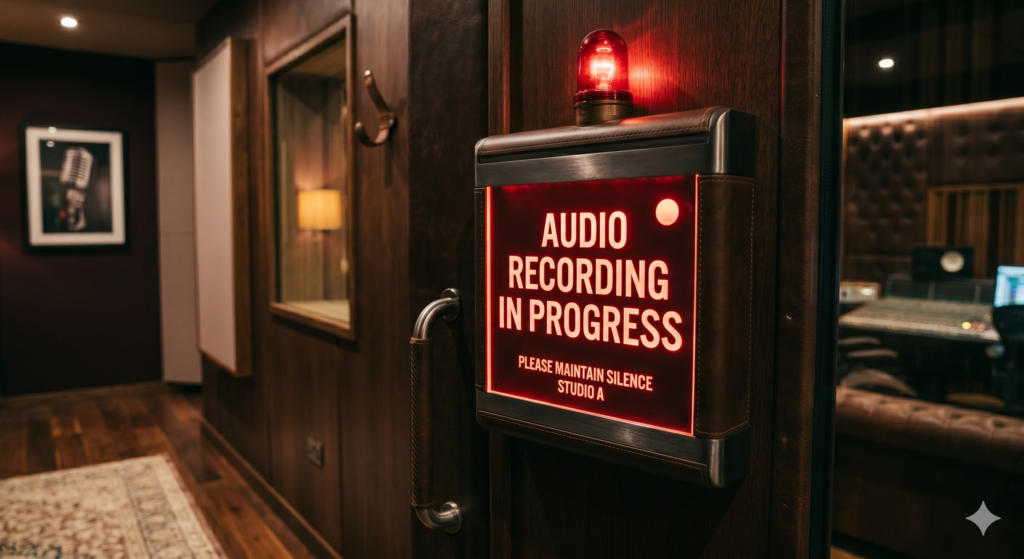

2027 Audiobook Preview: Top Performances to Hear
Most Anticipated Audiobook Releases for Next Year: Narrator casting will define the standout releases of 2027 as much as the texts themselves. Think of a narrator like a sculptor handling clay: timing shapes form and breath becomes texture. Expect headline names crossing genres, actors who stretch from stage to intimate first-person narration, and audio-first authors commissioning bespoke performances.
Narration pacing will be more intentional and varied than in 2026 standards, guided by measured scene architecture and subtextual rhythm. Think of pacing like traffic lights on a busy street: well-timed pauses prevent collisions and create flow. Producers will prioritize phrasing that reveals character on the breath, not only in the words.
Production teams will pair star performances with precision engineering to deliver emotional fidelity. Think of emotional fidelity like room temperature for food: too hot or too cold reduces enjoyment. Anticipate producers insisting on rehearsal takes, controlled mic technique, and multiple editor passes to preserve nuance.
I am a Senior Audio Producer and Master Storyteller writing this briefing from the control room, speaking to the practical craft of making those performances land for listeners.
===INTRO: My aim is to bridge performance art, spatial audio, and listener psychology using 2026 industry standards as the operational baseline.
===INTRO: This preview is a Masterclass-style briefing: sensory language, technical analogies, an original production model, and an actionable roadmap for teams preparing for 2027 releases.
Cast and Performance Direction
Casting decisions will center on vocal texture, narrative empathy, and stamina for long-form delivery. Think of vocal texture like fabric weave: a dense weave carries weight, a lighter weave breathes. Directors will look for narrators who can sustain tonal variety without vocal strain over 6 to 12-hour productions.
Directing choices will favor micro-direction over broad gestures to capture authentic subtleties. Think of micro-direction like lighting small lanterns on a stage: tiny adjustments change the emotional shadows. Producers will coach softer consonants, varied dynamic peaks, and controlled inhalations so edits are invisible.
Performance metrics will include breath marks, lip noise management, and proximity consistency as production KPIs. Think of proximity consistency like camera framing for film: a stable frame keeps the audience immersed. Teams will document preferred mic distances and reference takes to maintain continuity across sessions.
Acoustic Design and Microphone Choices
Room acoustics will be judged as much as the script because the recorded space becomes a character in the performance. Think of room acoustics like the texture of paper under a pen: roughness changes how every stroke reads. Producers will favor small, well-treated rooms with predictable early reflections that support intimacy.
Microphone choices will be tailored to timbre and narrative distance: large-diaphragm condensers for warmth, small-diaphragms for articulation, and ribbons for vintage tone. Think of mic selection like choosing a paintbrush: a flat brush covers broad strokes, a fine brush captures hairline detail. Polar pattern and off-axis response will be dialed to the narrator’s mouth geometry.
Gain staging and headroom management will be stricter than typical spoken word sessions to accommodate dynamic performance moments. Think of headroom like the spare ceiling height in a room: more height prevents bumping your head. Producers will set conservative preamp gains and aim for consistent peak levels to minimize unnecessary compression during mastering.
Microphone Technique Notes
Microphone technique will emphasize consistent mouth-to-capsule distance and controlled plosives with physical pop filters. Think of distance like the sweet spot on a violin: too close and the tone booms, too far and you lose presence. Engineers will use visual meters and reference tones to lock distances across sessions.
Post-Production: Editing, EQ, and Dynamics
Editing workflows will prioritize preserving performance choices while removing distractions such as mouth clicks and breaths that break immersion. Think of editorial restraint like surgical work: precise incisions deliver healing without collateral damage. Editors will use spectral tools and manual clip gain to keep character intact.
EQ decisions will be narrative-driven: subtle low-end reduction for muddy voices, presence boosts to increase intelligibility, and careful de-essing for bright sibilants. Think of EQ like seasoning food: a pinch enhances flavor, too much ruins the dish. Engineers will document presets per narrator to ensure consistency across chapters.
Dynamics processing will aim for gentle control rather than aggressive compression to retain emotional arcs. Think of compression like a seatbelt: it restrains extremes for safety but should not stop the car from moving. Producers will set low ratios and slow releases, and apply automation to respect crescendos.
Technical Table: Recommended Mastering Parameters
| Parameter | Recommended Setting | Analogy |
|---|---|---|
| Sample Rate | 48 kHz minimum; 96 kHz for high-end captures | Sample rate is like frames per second in film: more frames can show finer motion. |
| Bit Depth | 24-bit recording and 24-bit processing | Bit depth is like the depth of color in a painting: more depth preserves subtle shades. |
| Codec for Distribution | AAC or Opus 64-128 kbps variable; lossless for premium editions | Codec is like file compression for clothing: vacuuming removes air but may crease fabric. |
| Channel Config | Stereo standard; binaural for immersive releases | Channels are like lanes on a road: more lanes allow more directional movement. |
| Headroom | -6 dBFS max peaks during recording | Headroom is like vertical clearance on a bridge: needed to avoid collisions. |
Framework: NarrativeSound Fidelity Model (NSF-1)
The NarrativeSound Fidelity Model NSF-1 will guide production decisions by ranking elements: Voice Capture, Room Control, Dynamic Respect, Spatial Intent, and Metadata Compliance. Think of NSF-1 like a chef’s recipe: the order and proportion of ingredients determine the final meal. This model provides a clear checklist for producers and a scoring system to prioritize fixes.
NSF-1 will quantify performance fidelity on a 1 to 10 scale for each element, allowing producers to set release thresholds and risk tolerances. Think of the scale like a lighthouse: it provides reference points during poor visibility. Teams can use the model to decide whether a take needs re-record or can be salvaged in post.
NSF-1 will be used to communicate expectations to narrators, engineers, and publishers with a common language and numeric goals. Think of a common language like a conductor’s beat: it synchronizes the orchestra. The model reduces ambiguity and speeds decision cycles during tight schedules.
Spatial Audio and Narration Craft: What to Expect
Spatial audio will be integrated into premium audiobook editions to create presence without distracting from the narrative. Think of spatial audio like theatre seating: good placement improves experience, bad placement pulls attention. Producers will use object-based rendering to place ambient cues and subtle scene elements beyond the voice field.
Binaural mixes will be used for headphone-first releases to convey location and distance while preserving mono compatibility for mobile and assisted-listening scenarios. Think of binaural mixing like using perfume: a touch suggests atmosphere, too much overwhelms. Mixing engineers must ensure spatial cues enhance emotional context rather than decorate sound.
Technical parameters for spatial files will follow 2026 standards such as higher headroom and object metadata transport to platforms that support Atmos or MPEG-H delivery. Think of object metadata like stage directions in a script: they tell the mixer where sounds belong. Teams should maintain stems and object manifests to enable downstream personalization.
Spatial Implementation Notes
Spatial panning and reverbs will be used to suggest environment rather than create constant movement. Think of reverb like distance fog in a landscape: it provides depth more than detail. Narration will remain center-focused by default with ambient layering employed sparingly.
Distribution, Metadata, and Listener Psychology
Distribution strategies will include tiered releases: standard stereo editions and immersive spatial editions for premium channels. Think of tiered releases like airline classes: each offers a different level of comfort and service. Metadata fidelity will determine discoverability and accessibility in catalog systems.
Metadata will include annotated chapter cues, narrator credits with performance notes, and object metadata for spatial tracks to support personalization. Think of metadata like labels on a spice rack: clear labels speed finding the right flavor. Accurate metadata also supports remuneration and user choice features on platforms.
Listener psychology will be considered in sequencing and chapter length to match attention windows and commute patterns. Think of chapter length like workout intervals: tailored segments keep engagement high. Publishers will A/B test chapter breaks, sample lengths, and voice tones to optimize completion rates.
Conclusion: Audiobook Horizons 2027
The year ahead will be defined by careful alignment between performance craft, spatial techniques, and psychologically informed delivery.
===OUTRO: Production teams that adopt NSF-1 and the Production Quality Roadmap will reduce late-stage rework and increase listener satisfaction.
===OUTRO: Expect premium editions to reward meticulous capture, conservative dynamics, and thoughtful spatial cues rather than gratuitous effects.
12-Month Trend Prediction: Expect a categorical rise in premium, spatially-aware audiobook editions with stereo as the baseline. Producers will increasingly standardize 24-bit/48 kHz capture, maintain conservative headroom, and publish spatial stems. Narrator coaching will become a billed service. Platforms will demand richer metadata and personalized listening options. Overall, completion metrics should improve as production fidelity rises and distribution supports choice.
Production Quality Roadmap Checklist:
- [ ] Capture at 24-bit, 48 kHz minimum with locked mic distance documented.
- [ ] Maintain -6 dBFS headroom and conservative preamp gain settings.
- [ ] Apply light dynamics processing with automated gain rides for performances.
- [ ] Archive chapter stems and object metadata for spatial and future re-mixes.
- [ ] Populate comprehensive metadata including narrator notes and accessibility tags.
FAQ
How should producers balance narrator intimacy with clarity when using proximity mic techniques?
What objective metrics should be used to decide between re-recording a take and post-production repair?
How can spatial audio be tested for mono compatibility across consumer playback devices?
What metadata fields are essential to maximize discoverability and platform feature support in 2027?
How do compression codecs at 64 kbps variable compare perceptually to 128 kbps for spoken word material?
What training regimen reduces narrator fatigue for multi-day sessions while preserving consistent timbre?