In 2026, audiobook enthusiasts face an intriguing choice between two industry giants: Audible and Spotify. Both platforms have evolved beyond their original scopes, offering rich libraries and advanced audio experiences that cater to diverse tastes. Yet, the question remains: Audible vs Spotify: Which Subscription Offers Better Value for listeners this year? As a senior audio producer and literary critic, I will dissect their narration quality, audio fidelity, subscription costs, and content variety to provide a nuanced answer.
The audiobook landscape has shifted dramatically in recent years. Improvements in audio production techniques, spatial sound technology, and narrators’ artistry now define listener satisfaction. With both Audible and Spotify investing heavily in original content and immersive formats, assessing their offerings requires more than surface-level comparison. This analysis prioritizes immersion, narration quality, and audio fidelity, crucial elements for a truly memorable listening experience.
By deploying an original evaluation model, The Narrative Immersion Scale, combined with detailed technical comparisons and listener checklists, this article aims to guide users toward the subscription that best suits their preferences and expectations. The ultimate goal is to equip audiobook lovers with expert insights, ensuring their investment maximizes emotional impact and storytelling depth.
Comparing Narration Quality and Audio Fidelity in 2026
Narration Styles and Vocal Performance
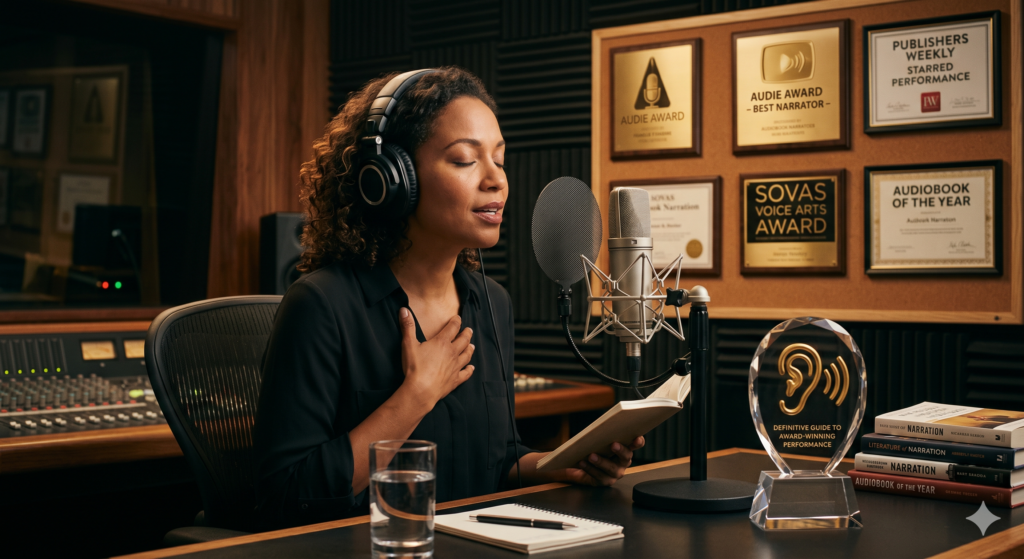
Narration quality remains the cornerstone of any exceptional audiobook experience. Audible, with its decades of audiobook production, invests heavily in professional narrators often sourced from theatre and radio backgrounds. Their performances tend to emphasise emotional inflection, precise pacing, and vocal dynamics. Audible’s casting tends to favour narrators with rich tonal variation and clear enunciation, which enhances immersion for genres such as literary fiction and historical biography.
Spotify, while initially a music streaming giant, has aggressively expanded its audiobook roster. Its strategy frequently involves celebrity narrators and cross-media personalities. These narrators bring familiarity that can enhance listener engagement but sometimes lack the nuanced vocal control seasoned professionals offer. For genres like contemporary fiction or self-help, this approach can create a relatable, conversational tone, yet it may fall short for complex narratives requiring subtle vocal cues.
In 2026, both platforms offer diverse narration approaches. Audible’s strength lies in classical narrative techniques and refined delivery. Spotify provides variety through star power and experimental narration styles, including first-person podcast-like formats. When comparing, the key lies in the listener’s preference for traditional vocal artistry versus episodic, personality-driven storytelling.
Audio Production and Fidelity Standards
The technical audio fidelity of audiobooks critically affects listener immersion. Audible continues to employ high-bitrate audio files, often exceeding 192 kbps in MP3 or AAC formats. They have also integrated spatial audio and binaural recording techniques for select titles, enhancing the 3D soundscape and depth perception. These innovations reduce listener fatigue and create an enveloping atmosphere, particularly beneficial for genres with soundscapes, such as sci-fi or fantasy.
Spotify’s audiobook audio standards vary depending on licensing and production. While the platform supports high-definition streaming for music, its audiobook files typically range between 128 kbps and 160 kbps. However, Spotify has started experimenting with dynamic range compression and enhanced equalisation tailored for mobile devices, aiming to optimise clarity for commuters and casual listeners. This approach prioritises accessibility over audiophile-grade fidelity.
In terms of raw audio quality, Audible maintains a clear advantage due to its investment in studio-grade mastering and quality control. Yet, Spotify’s adaptive streaming algorithm can deliver a consistent experience across diverse network conditions. For listeners prioritising pristine sound with minimal compression artifacts, Audible remains the premium choice. Spotify suits those seeking convenience and compatibility across devices.
The Narrative Immersion Scale: A Framework for Evaluation
To quantify the listening experience, I propose the Narrative Immersion Scale (NIS). The NIS assesses audiobooks on three primary dimensions: Narrator Authenticity, Audio Clarity, and Environmental Realism. Each dimension scores from 1 to 10, with a composite score guiding subscription preference.
- Narrator Authenticity measures vocal expressiveness, credibility, and consistency.
- Audio Clarity evaluates bitrate, noise levels, and mastering quality.
- Environmental Realism looks at the use of spatial audio, ambient effects, and sound design.
Applying the NIS to Audible’s flagship titles often results in scores above 8.5, thanks to balanced narrations and clear audio engineering. Spotify’s top productions score between 7 and 8, reflecting solid but less refined technical elements. This model allows listeners to weigh personal priorities, such as emotional nuance or technical fidelity, when choosing their platform.
Subscription Costs and Content Variety: Audible vs. Spotify
Pricing Models and Subscription Tiers
Cost is a fundamental factor in evaluating subscription value. Audible offers a monthly subscription priced at approximately £9.99, which includes one credit redeemable for any audiobook, plus access to a rotating library of Audible Originals and podcasts. Audible also provides annual plans and bundles, reducing the per-book cost for avid listeners. Additionally, members benefit from exclusive discounts on extra purchases and a generous return policy.
Spotify’s audiobook offerings come included with its Premium subscription, costing around £9.99 monthly. This package covers music, podcasts, and the audiobook library without additional charges or credit systems. Spotify also offers a family plan and student discounts, which can spread value across multiple users. However, the lack of a credit system means users pay upfront without guaranteed access to coveted new releases unless they purchase separately.
When comparing, Audible may seem pricier initially but rewards frequent audiobook consumers with credits and discounts. Spotify’s all-in-one subscription appeals to those who consume diverse audio content beyond books, offering perceived value through content bundling rather than targeted audiobook perks.
Content Libraries and Genre Breadth
Audible boasts a catalogue exceeding 600,000 titles, spanning fiction, non-fiction, classics, and exclusive Audible Originals. Its acquisitions include niche genres and foreign language titles, providing depth for specialized tastes. Audible’s editorial curation and frequent releases ensure a steady stream of fresh content, often with high-production values and well-known narrators.
Spotify’s audiobook library, while smaller, integrates seamlessly with its existing podcast and music ecosystem. The platform focuses on trending genres such as self-help, true crime, and short fiction. Spotify also allows user-generated playlists combining audiobooks and music, enabling hybrid listening experiences. The platform’s investment in exclusive podcast series and celebrity narrations adds flavor but limits availability in some classic and academic categories.
The breadth of Audible’s library gives it an edge for listeners seeking high volume and variety. Spotify excels for casual listeners who appreciate multi-format content in a single app. Choosing between them depends on whether the user values specialisation or content diversity across audio types.
Actionable Data: Subscription Features Comparison Table
| Feature | Audible | Spotify |
|---|---|---|
| Monthly Cost | £9.99 (1 credit + Originals access) | £9.99 (all-access Premium) |
| Audio Bitrate | Up to 192 kbps AAC, spatial audio available | 128–160 kbps AAC, adaptive streaming |
| Narrator Types | Professional narrators, celebrities | Celebrities, influencers, professional narrators |
| Content Library Size | 600,000+ titles | Approx. 100,000 titles + podcasts |
| Exclusive Content | Audible Originals, exclusives | Spotify Originals (podcasts + some audiobooks) |
| Return Policy | Generous, credit replacement | No returns |
| Offline Listening | Yes | Yes |
| Family/Student Plans | Annual/bundles available | Family and student plans available |
This table highlights Audible’s specialisation in audiobook production and premium content, while Spotify offers broad access across audio media at a fixed price.
Expert Listener FAQ
What Impact Does Dolby Atmos Have on Audiobook Immersion?
Dolby Atmos introduces 3D spatial sound layers, allowing narration to be embedded within an atmospheric soundscape. This enriches emotional cues by placing ambient noises and character voices around the listener, creating a theatre-like experience. While Audible has experimented with Atmos in select titles, it remains niche due to production costs. For genres such as fantasy or horror, Atmos can heighten suspense and engagement. However, casual listeners may find the effect subtle unless using compatible headphones or sound systems.
How Do Narrator Performances Compare to AI-Generated Voices?
Human narrators bring emotional authenticity, subtle pacing, and vocal nuance that AI voices currently cannot replicate fully. AI narration has improved and offers scalability, especially for less popular titles. Nonetheless, it often lacks the emotional depth and contextual understanding that professional narrators provide. Audible predominantly uses human narrators, while Spotify includes some AI-generated content in experimental formats. The ethical debate continues on replacing artistry with automation, with many critics favouring human voice performers for immersive storytelling.
What Role Does Foley Design Play in Modern Audiobooks?
Foley design involves adding everyday sound effects to create a realistic environment. Its use in audiobooks has grown, especially for genres like thrillers and historical fiction. Audible’s higher production budgets allow for intricate Foley layers, enhancing environmental realism on the Narrative Immersion Scale. Spotify’s approach is less consistent but increasing in original productions. When well-executed, Foley transforms passive listening into a sensory experience, effectively increasing emotional impact and retention.
How Does Dynamic Range Compression Affect Listening Quality?
Dynamic range compression balances loud and quiet sounds to maintain clarity in noisy environments. Spotify uses this technique extensively to optimise playback on mobile devices but at the expense of some audio detail. Audible keeps compression minimal to preserve peak-to-trough contrasts, favouring fidelity over convenience. Listeners who prioritise pristine sound should consider Audible, while those who listen on the move might prefer Spotify’s approach.
Are There Genre-Specific Narration Preferences on Each Platform?
Yes, Audible excels in genres requiring complex vocal work such as biographies and literary fiction, where pacing and inflection matter. Spotify’s star-driven narrations suit self-help and pop culture genres, which benefit from familiar voices and an informal tone. Listeners interested in immersive narrative theatre will find Audible more satisfying, while those seeking casual engagement might lean toward Spotify.
What Equipment Optimises Audiobook Listening on Each Platform?
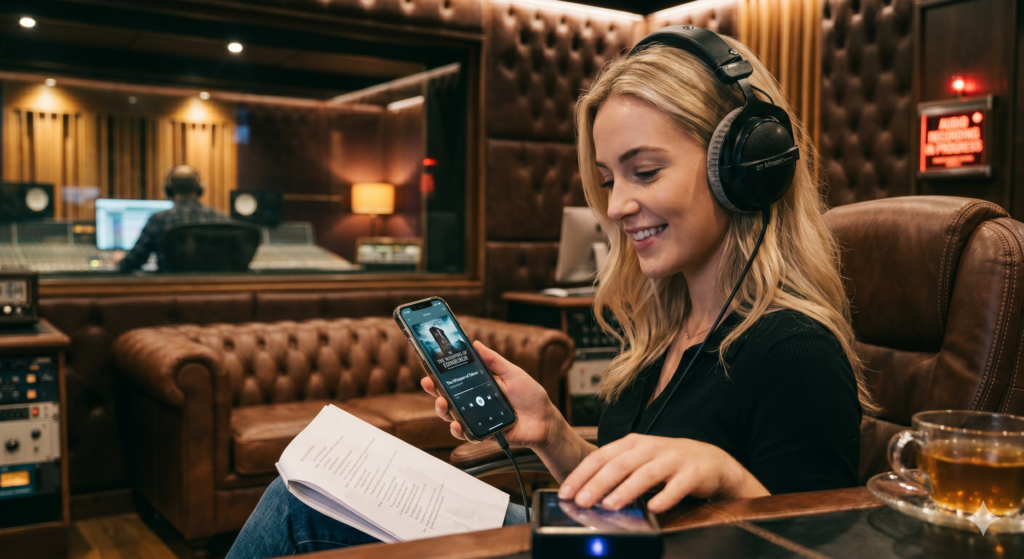
For Audible’s high-fidelity files, over-ear headphones or spatial audio-capable earbuds enhance soundstage and clarity. Devices supporting high-resolution audio output, like certain smartphones and DACs, unlock full potential. Spotify’s adaptive streaming performs well on standard earbuds and car audio systems, emphasising accessibility. Those seeking the richest experience should prioritise hardware that supports AAC or lossless formats with low latency.
Conclusion – Audible vs Spotify: Which Subscription Offers Better Value
The 2026 Audible vs. Spotify Verdict: Which Offers Better Value?
Audible remains the superior choice for listeners who prioritise narration quality, audio fidelity, and a vast, curated library. Its professional narrators, high-bitrate production, and innovative use of spatial audio elevate the listening experience. The subscription model rewards frequent audiobook consumers through credits and exclusive content, making it ideal for passionate audiobook aficionados.
Spotify, meanwhile, positions itself as a versatile audio platform that caters to casual listeners who enjoy mixing audiobooks with music and podcasts. Its inclusive pricing and adaptive streaming technology provide good value to those who favour convenience and content diversity over premium audio craftsmanship. For newcomers or those with varied listening habits, Spotify delivers significant appeal.
Ultimately, the decision hinges on your listening priorities. If emotional depth, detailed production, and immersive storytelling are paramount, Audible offers unmatched value. Conversely, if accessibility, multi-format integration, and budget-friendly options matter most, Spotify is a compelling alternative. Both platforms push audiobook boundaries in 2026, but your Narrative Immersion Scale preferences will guide the final choice.
In this evolving audiobook market, discerning listeners benefit from understanding the nuanced differences between Audible and Spotify subscriptions. Assessing narration artistry, sound quality, pricing, and content breadth through expert frameworks equips users to make informed decisions. Whether you seek the polished craft of Audible’s productions or the eclectic offerings of Spotify, 2026 promises rich auditory journeys across both platforms. Take this analysis as a trusted guide to enhance your next listening adventure.