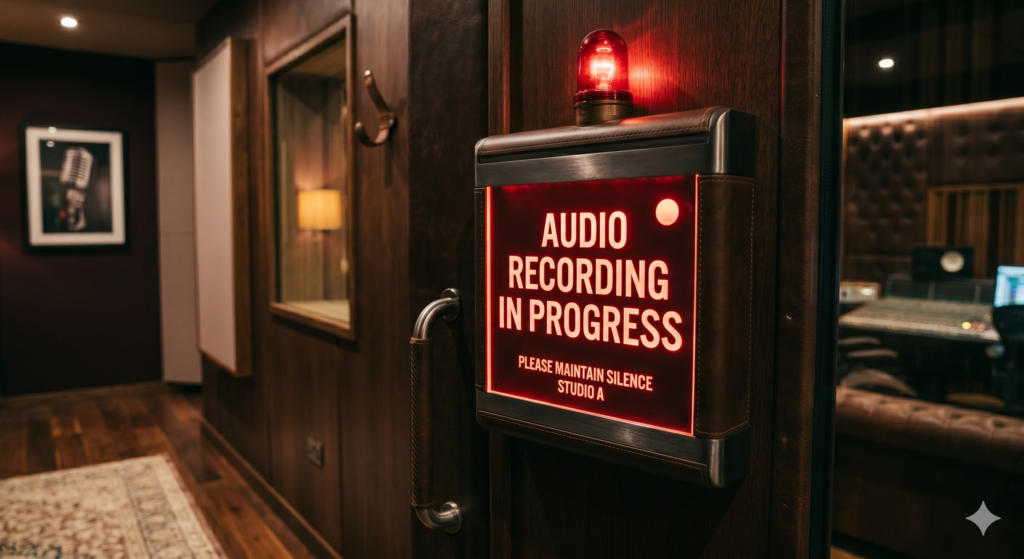

Ageless stories resonate across generations, but modern Young Adult (YA) audiobooks have taken this appeal to new heights. Today’s productions blend high-quality narration, immersive sound design, and sophisticated storytelling techniques. This combination engages not only the intended teen audience but also adults who appreciate nuanced audio craftsmanship. As a Senior Audio Producer and Literary Critic, I explore how modern YA audiobooks provide a listening experience rich in production value, bridging generational divides through sound.
Elevating YA Audiobooks: Crafting Soundscapes Adults Appreciate
The Importance of Audio Fidelity in YA Audiobooks
The evolution of YA audiobooks has been remarkable, from straightforward narrations to multi-layered soundscapes that enhance emotional storytelling. Audio fidelity plays a critical role here, ensuring clarity and richness across devices. Modern productions often use high bitrates, such as 192 kbps or above, delivering crisp vocals and detailed ambient sounds. This fidelity is essential for adult listeners, who tend to have higher expectations due to exposure to premium content like podcasts and radio dramas.
The mixing process balances voice, music, and effects to avoid overpowering the narrative. For example, subtle background sounds like rustling leaves or distant thunder can create atmosphere without distraction. Adults often appreciate these audio nuances, which invite deeper engagement. It elevates the story from mere reading to an immersive experience, encouraging repeated listens that reveal new details with each play.
Moreover, advances such as spatial audio and binaural recording techniques bring a 3D quality to YA audiobooks. This capability allows listeners to feel surrounded by the story world, making characters’ emotions and environments more tangible. For adults accustomed to cinema-quality sound, such innovations make modern YA audiobooks an unexpected pleasure.
Soundscapes Beyond Background Noise
Production teams today treat soundscapes as narrative tools rather than mere effects. This means using carefully crafted sonic layers to mirror the protagonist’s state of mind or the story’s thematic elements. For instance, a tense scene might feature an increasing heartbeat rhythm subtly mixed beneath the narrator’s voice, amplifying suspense without overt cues.
Adults listening to YA audiobooks notice these details, often subconsciously. The soundscape guides their emotional response, aligning them with characters who might be decades younger. This technique bridges age gaps, making stories feel relevant and emotionally resonant across generations.
The design of soundscapes also respects pacing and tone shifts. For example, calmer chapters might use minimalistic audio with soft environmental sounds, fostering moments of reflection. Contrastingly, action scenes employ dynamic audio layers—footsteps, weather effects, distant sirens—to heighten urgency. This careful modulation of audio elements showcases production teams’ sophistication and attention to detail.
The Narrative Immersion Scale: Measuring Soundscape Effectiveness
To evaluate the impact of soundscapes, I propose the Narrative Immersion Scale (NIS). This model grades audiobooks on five criteria: clarity, emotional resonance, spatial depth, authenticity, and pacing synergy. Each category is scored from 1 to 5, with a maximum total of 25 points indicating a highly immersive experience.
| Criterion | Description | Score (1-5) |
|---|---|---|
| Clarity | Vocal intelligibility and sound balance | |
| Emotional Resonance | Audio’s ability to evoke feelings | |
| Spatial Depth | Use of 3D or binaural audio techniques | |
| Authenticity | Realistic sound effects and ambience | |
| Pacing Synergy | Audio pacing aligns with story flow |
Using this scale helps producers and critics assess how effectively soundscapes contribute to storytelling. Highly rated YA audiobooks often surpass adult fiction in sound design, offering a fresh listening experience that adults find surprisingly engaging.
The Art of Narration: Voice Techniques That Bridge Generations
Selecting the Right Narrator for Cross-Generational Appeal
Narration remains the backbone of any audiobook. For YA titles, choosing the right voice actor requires balancing youthful energy with mature vocal control. Narrators must embody teenage characters authentically without alienating older listeners who prefer sophistication and subtlety.
Professional narrators skilled in voice modulation can shift seamlessly between emotional states, accents, and character voices. This skill captivates adults who appreciate refined acting. Conversely, overly exaggerated or juvenile performances tend to diminish appeal beyond younger audiences.
The ideal narrator maintains natural pacing and diction, avoiding rushed delivery common in some YA productions. This clarity aids comprehension and retention, which adult listeners value highly. Additionally, narrators who incorporate slight vocal fry or breathiness at appropriate moments add texture and intimacy, enhancing emotional connection.
Vocal Techniques Enhancing Immersion
Advanced vocal techniques in YA audiobook narration include controlled pauses, dynamic intonation, and varied volume levels. These elements prevent monotony and mimic natural speech patterns, which are crucial for maintaining listener engagement over multi-hour recordings.
For example, deliberate pauses allow moments for reflection or tension build-up, mirroring the book’s pacing. Intonation shifts can convey sarcasm, excitement, or vulnerability without explicit description. Such vocal finesse appeals to adults who subconsciously register these storytelling cues.
Furthermore, narrators skilled in character differentiation use subtle changes in pitch, timbre, and rhythm to delineate roles. This technique reduces the need for explicit dialogue tags, preserving narrative flow. Adults, especially those who listen regularly to audiobooks, find this approach more immersive and professional.
The Audiobook Quality Framework: Narration as Performance
To systematize narration quality, I developed the Audiobook Quality Framework (AQF). It evaluates four primary factors: vocal versatility, emotional authenticity, consistency, and listener fatigue prevention. Each factor receives a score from 1 to 5, with a total maximum of 20 points.
| Factor | Description | Score (1-5) |
|---|---|---|
| Vocal Versatility | Ability to create distinct, believable voices | |
| Emotional Authenticity | Convincing expression of character feelings | |
| Consistency | Uniform quality throughout the audiobook | |
| Fatigue Prevention | Narration style that avoids listener exhaustion |
Narrators scoring high on the AQF excel at bridging generational gaps. Their performances respect the intelligence of adult listeners while preserving the energy and immediacy that draw in younger audiences. This approach is a key factor in modern YA audiobooks earning widespread acclaim beyond their core demographic.
Expert Listener FAQ
What is the impact of Dolby Atmos on YA audiobook production?
Dolby Atmos introduces immersive, object-based audio that places sounds in a 3D space around the listener. For YA audiobooks, this technology allows producers to create rich environments where characters’ voices and sound effects move spatially. It enhances emotional engagement and realism, making scenes more vivid. However, implementation requires careful mixing to avoid overwhelming the narration. With Atmos, listeners using compatible headphones or speakers experience a cinema-like soundstage, raising production standards and adult appeal.
How do narrators ethically balance human vs. AI voices in audiobooks?
Narrators face ethical challenges as AI voice technology improves. Human narrators bring emotional depth, subtlety, and performance choices AI cannot replicate fully. Ethical balance involves transparency; listeners should know if AI voices are used. Some producers blend AI for minor roles or effects while keeping main narration human. This hybrid approach respects artistic integrity and workforce sustainability. Human narrators advocate for fair compensation and creative recognition, emphasizing that voice acting remains a deeply human craft.
What role does Foley design play in modern YA audiobooks?
Foley design involves creating custom sound effects to match on-screen or narrated actions. In YA audiobooks, Foley adds tactile realism that enriches immersion. Footsteps, rustling clothes, or object interactions create subtle layers that support the story. Expert Foley artists synchronize effects with narration timing, ensuring they enhance but never distract. Adults often notice this craftsmanship, appreciating the enhanced sensory experience. Foley also supports pacing, marking scene changes or emotional beats organically within the audio.
How does pacing in narration affect emotional impact?
Pacing directly influences how listeners perceive and feel a story. Slow pacing during introspective or sorrowful moments invites empathy and contemplation. Faster pacing increases tension or excitement in action scenes. Narrators skilled in pacing adjust their speed dynamically, reflecting narrative arcs. This modulation prevents listener fatigue and maintains interest. Adults especially benefit, as pacing matches their cognitive tempo and listening habits, making the audiobook feel natural and engaging rather than forced or monotonous.
Can spatial audio techniques in YA audiobooks appeal to adult audiences?
Yes, spatial audio techniques create a three-dimensional sound environment that enhances realism and emotional immersion. Adults familiar with high-fidelity music or film soundtracks often seek this quality in audiobooks. Spatial audio allows precise placement of voices and effects, making scenes more tangible. For example, hearing footsteps circle around or a storm approaching from behind increases presence. This technique can transform simple narration into an experiential journey, broadening YA audiobooks’ appeal to mature listeners.
How do narrators handle character differentiation without overacting?
Experienced narrators use subtle vocal shifts—changes in pitch, rhythm, or accent—to differentiate characters without resorting to caricature. This restraint respects the story’s tone and adult listeners’ preference for realism. Overacting can alienate adults and disrupt immersion. Instead, narrators focus on consistent character traits conveyed through nuanced vocal cues. This approach supports complex storytelling and keeps the listener grounded, enhancing emotional connection and comprehension across age groups.
What technical specifications ensure high-quality YA audiobook experiences?
Key technical specs include a minimum bitrate of 192 kbps, 44.1 kHz or higher sample rate, and use of uncompressed or lossless formats for archival. Proper microphone choice—usually large-diaphragm condensers—captures vocal detail. Mixing and mastering should maintain dynamic range without excessive compression. Spatial audio requires multichannel recording and encoding standards like Dolby Atmos. These specifications ensure clarity, richness, and immersion, crucial for audiobooks aiming to captivate both YA listeners and discerning adults.
How do production teams prevent listener fatigue in long YA audiobooks?
Preventing fatigue involves balanced narration pacing, avoiding monotone delivery, and integrating varied soundscapes and effects. Producers often schedule breaks in intense audio layers, using silence or minimal ambient sounds to reset listener attention. Audio equalization avoids harsh frequencies that strain ears over time. Narrators modulate tone to prevent vocal strain. These practices cater to adult listeners who may consume audiobooks in longer sessions, ensuring sustained engagement without discomfort or distraction.
Technical Specs: Equipment and Platform Comparison Table
| Equipment/Platform | Bitrate Support | Spatial Audio | Sample Rate | Notable Features |
|---|---|---|---|---|
| Audacity (Recording) | Up to 320 kbps | No | 44.1 kHz | Free, multi-track recording |
| Adobe Audition | Up to 320 kbps | Limited | Up to 192 kHz | Advanced editing, noise reduction |
| Dolby Atmos Renderer | Variable | Yes | Up to 96 kHz | 3D mixing, object-oriented audio |
| Audible Platform | 192 kbps (AAC) | Limited | 44.1 kHz | Wide distribution, proprietary codec |
| ACX (Audiobook Creation Exchange) | 192 kbps (MP3 CBR) | No | 44.1 kHz | Industry standard for Audible and iTunes |
| Pro Tools | Up to 384 kbps | Yes | Up to 192 kHz | Industry-standard DAW, surround sound |
Listener’s Evaluation Checklist for YA Audiobooks
- [ ] Is the narration clear and easy to understand throughout?
- [ ] Are character voices distinct but not exaggerated?
- [ ] Does the pacing align with the story’s emotional beats?
- [ ] Are background sounds enhancing but not distracting?
- [ ] Is the audio quality crisp, without noticeable distortion?
- [ ] Are spatial audio effects used effectively?
- [ ] Does the soundscape reflect the mood and setting?
- [ ] Is the overall listening experience engaging for both young and adult audiences?
Conclusion – Ageless Stories: Modern YA Audiobooks with Production Value Even Adults Will Love
Modern YA audiobooks have transcended their genre boundaries by embracing advanced audio production techniques. From meticulous soundscapes to expert narration, these productions deliver stories that adults find compelling and immersive. The integration of spatial audio, vocal finesse, and detailed Foley crafts a listening experience that respects the intelligence and tastes of all ages. As this field grows, we can expect even greater attention to quality and innovation, ensuring that ageless stories continue to captivate diverse audiences through sound.