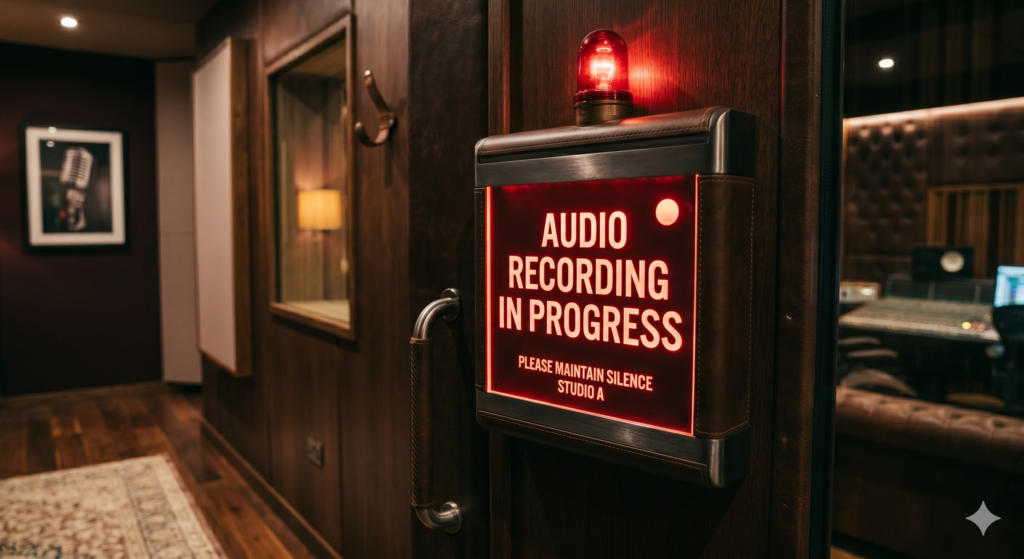

Autobiographical authority in non-fiction audiobooks offers a unique listening experience, where the original author’s voice conveys the story firsthand. This authenticity adds layers of emotional depth and credibility that professional narrators may find difficult to replicate. For audiobook enthusiasts and literary critics alike, understanding how author narration elevates storytelling enriches the appreciation of this intimate art form. This article explores why listening to non-fiction audiobooks narrated by their creators not only enhances immersion but also transforms how we engage with real-life stories.
Exploring Autobiographical Authority in Non-Fiction Audiobooks
The Essence of Autobiographical Authority
Autobiographical authority refers to the distinct power and credibility an author imparts by narrating their own story. When authors voice their experiences, the listener gains direct access to nuanced emotions and intentions behind every phrase. This authority establishes a strong bond between storyteller and listener, fostering trust and authenticity. Unlike traditional narration where interpretation plays a role, author-narrated audiobooks offer a transparent transmission of memory and reflection.
This authenticity is particularly significant in non-fiction, where factual precision and emotional truth intersect. The author controls pacing, emphasis, and inflection based on personal insight rather than a third party’s interpretation. This control creates an immersive narrative space where vocal nuances reveal subconscious hesitations or emphases, enriching the listener’s understanding beyond words alone. It also respects the complexity of the author’s lived experience, allowing subtleties such as irony or regret to resonate clearly.
From a production standpoint, capturing autobiographical authority requires a delicate balance. The recording environment must support the author’s vocal strengths while minimizing distractions like vocal fry or uneven pacing. When done well, this approach harnesses the author’s unique timbre and emotional cadence, inviting the audience into an intimate conversation rather than a polished performance.
Historical Context and Evolution
The tradition of authors narrating their own works dates back to early spoken word recordings. However, non-fiction audiobooks narrated by original authors gained prominence only with advances in recording technology and audiobook distribution platforms. Authors like Maya Angelou and David Sedaris became iconic voices of their stories, setting a precedent for autobiographical storytelling in audio form.
Technological improvements now allow for high-fidelity recordings that capture every vocal detail without distortion or background noise, preserving the integrity of the author’s voice. Early audiobooks sometimes suffered from poor sound quality and limited editing tools, which diminished the impact of autobiographical authority. Today, producers use layered soundscapes and spatial audio techniques that respect the author’s natural delivery while enhancing listener immersion.
The rise of author-narrated audiobooks reflects a broader cultural appetite for authentic storytelling. Listeners seek genuine connection and trustworthiness, especially in memoirs, political autobiographies, or investigative non-fiction. This evolution has reshaped audiobook production priorities, placing greater emphasis on vocal coaching and sound engineering tailored specifically for authors rather than professional narrators.
The Narrative Immersion Scale: Measuring Authorial Impact
To evaluate autobiographical authority effectively, I propose the Narrative Immersion Scale (NIS). This model assesses three key dimensions: Authenticity, Emotional Resonance, and Technical Precision. Authenticity measures how convincingly the author conveys lived experience. Emotional Resonance gauges the listener’s emotional engagement through vocal dynamics. Technical Precision evaluates audio clarity, pacing, and editing quality.
| Dimension | Description | Rating Factors |
|---|---|---|
| Authenticity | Degree of believable, truthful narrative delivery | Vocal inflections, hesitation, natural tone |
| Emotional Resonance | Emotional depth evoked through voice and pacing | Tone variation, breath control, emotional highs |
| Technical Precision | Quality of audio production and narration consistency | Clear sound, minimal vocal fry, smooth pacing |
Using the NIS, audiobooks narrated by original authors consistently rank higher in Authenticity and Emotional Resonance compared to professional narrators. However, authors sometimes face challenges in Technical Precision due to lack of vocal training. This scale helps producers identify areas for improvement while highlighting the unique value authors bring to their audiobook performances.
How Author Narration Elevates Storytelling Impact
Vocal Identity and Emotional Authenticity
When authors narrate their own audiobooks, they bring a vocal identity shaped by lived experience. This identity is impossible to replicate because it contains emotional subtext and personal history embedded within every word. The vocal tone communicates more than the text; it reveals stress, joy, or sorrow in authentic ways. For example, subtle voice cracks or pauses can convey vulnerability that deepens emotional impact.
Emotional authenticity connects listeners on a human level. Hearing an author’s voice recount a traumatic event fosters empathy and understanding far beyond scripted narration. This effect is particularly profound in memoirs, where the listener shares an experiential journey rather than just consuming information. The author’s nuanced pacing and intonation guide emotional responses, crafting a compelling narrative arc that feels alive.
From a production angle, capturing these vocal subtleties requires careful microphone placement and noise suppression to maintain intimacy without sacrificing clarity. Sound engineers often employ close miking and dynamic range compression to accentuate soft vocal moments, ensuring that the listener catches every emotional inflection. The balance between naturalness and technical polish is crucial to preserve autobiographical authority.
Pacing and Storytelling Control
One of the major benefits when authors narrate their own audiobooks lies in storytelling control through pacing. Authors inherently understand which moments require dramatic pause or faster delivery, allowing them to emphasize themes or plot points with precision. This instinctive pacing contrasts with professional narrators who rely on scripts and direction, potentially missing the author’s internal rhythm.
Author-paced narration often demonstrates a conversational tone, breaking from monotonous narration styles. Pauses, breaths, and deliberate hesitations create tension and release naturally, mirroring real-life thought processes. This technique strengthens listener engagement by simulating authentic human speech rather than robotic reading. It also allows for moments of reflection or humor that might be lost in generic narration.
Producers must work closely with authors to optimize pacing without allowing distracting hesitations or uneven speed. Editing decisions involve reducing filler sounds while maintaining narrative flow. Additionally, sound design elements such as ambient background or musical cues can enhance pacing, highlighting key narrative shifts without overpowering the voice. The collaboration between author and production team is essential here.
The Intimacy of First-Person Narration
Audiobooks narrated by original authors create a unique intimacy that transports listeners into the author’s personal space. First-person narration benefits significantly from authorial voice as it embodies the very person behind the experience. Listeners do not just hear a story; they feel they are confiding with the author directly.
This intimacy fosters trust, making sensitive or controversial subjects more accessible. The vocal delivery carries vulnerability and honesty that can challenge the listener’s assumptions or provoke empathy. When authors share stories of hardship, triumph, or self-discovery, their voice becomes a bridge connecting disparate perspectives.
From an audio production standpoint, intimacy is enhanced through minimalistic soundscapes that foreground the author’s voice. Avoiding excessive effects or background noise helps preserve the speaker’s presence. Spatial audio techniques can also simulate closeness by positioning the voice in stereo fields that mimic natural human proximity. The result is an immersive experience that feels like a private storytelling session.
The Art and Science of Production in Author-Narrated Audiobooks
Optimizing Audio Fidelity for Author Voices
Producing audiobooks narrated by authors requires attentive audio fidelity management to capture vocal nuances without distortion. Unlike professional narrators accustomed to studio environments, many authors narrate in diverse settings, presenting challenges in sound quality consistency.
Bitrate selection impacts clarity and warmth, with 192 kbps or higher often recommended for spoken word to preserve subtle vocal textures. Producers must balance file size and streaming compatibility without sacrificing richness. High sample rates (44.1 kHz or above) further ensure natural sound reproduction.
Equipment choice affects fidelity: condenser microphones with flat frequency responses capture voice detail accurately, while pop filters reduce plosives that distract listeners. Room acoustics must minimize reverberation and ambient noise, often necessitating portable vocal booths or soundproofing.
Post-production tools such as equalization and dynamic range compression further refine voice presence. Carefully applied noise reduction removes hiss or hum without introducing artifacts. This technical precision ensures that the author’s vocal personality shines through crisply.
Managing Vocal Fry and Pacing Irregularities
Authors new to narration sometimes exhibit vocal fry or uneven pacing, which can reduce the listening experience’s professionalism. Vocal fry—characterized by a creaky or rough voice texture—can fatigue listeners if excessive. Producers must coach authors to maintain breath support and pitch control.
Editing can assist by selectively reducing fry segments without compromising authenticity. Vocal warm-up exercises before recording sessions improve endurance and clarity. Similarly, pacing irregularities—such as rushed passages or awkward pauses—require sensitive intervention.
Producers often use real-time monitoring to provide feedback during sessions, helping authors modulate speed and enunciation. Strategic retakes of problematic sections enhance flow. Sound design elements, like subtle ambient noise or gentle music beds, can mask minor pacing flaws while maintaining narrative immersion.
Incorporating Spatial Audio and Soundscapes
Spatial audio technologies enrich author-narrated audiobooks by creating a three-dimensional auditory environment. This innovation situates the listener within the storytelling space, enhancing emotional engagement. For autobiographical works, subtle ambient sounds or room tone can contextualize the narrative.
Soundscapes crafted with natural sounds—such as city noise, nature, or household ambiance—support the story’s setting without overpowering the voice. Spatial audio places these elements in stereo or surround fields, giving a sense of depth and movement. This technique leverages binaural recording or Dolby Atmos formats.
Producers must balance immersive effects with simplicity, ensuring voice clarity remains paramount. The goal is to complement the author’s narration with texture, not to distract. When combined with authentic vocal delivery, spatial audio transforms listening into an experiential journey.
Listener’s Evaluation Checklist for Author-Narrated Audiobooks
To assist discerning listeners in assessing autobiographical authority and production quality, here is a structured checklist:
| Criteria | Evaluation Points | Scale (1-5) |
|---|---|---|
| Vocal Authenticity | Does the author sound genuine and engaged? | |
| Emotional Connection | Are emotions conveyed convincingly? | |
| Pacing | Is the narration rhythm consistent and natural? | |
| Audio Clarity | Is the voice clear with minimal noise? | |
| Vocal Artifacts | Are vocal fry or distractions minimal? | |
| Ambient Sound Integration | Do soundscapes enhance without overpowering? | |
| Spatial Audio Usage | Is spatial audio applied effectively? | |
| Overall Immersion | Does the audiobook feel intimate and immersive? |
Using this checklist, listeners can critically engage with audiobooks, appreciating both narrative and technical craftsmanship.
Comparing Narrator Styles: Authors vs. Professional Narrators
Vocal Style and Delivery Differences
Authors bring a personalized and emotionally informed vocal style, often marked by idiosyncratic rhythms and natural inflections. In contrast, professional narrators deliver polished, trained performances designed for consistency and clarity across genres.
While narrators maintain neutral or character-driven voices, authors provide a singular perspective colored by their lived experience. This difference impacts listener perception—author narration often feels more conversational and vulnerable, whereas narrator performances may emphasize theatricality and pacing uniformity.
From a technical lens, narrators typically control breath support and enunciation better due to training. However, this precision can sometimes lessen emotional spontaneity present in author readings. Audiobook production teams must weigh these stylistic trade-offs during casting and recording.
Technical Specifications and Production Approach
Professional narrators usually record in fully equipped studios optimized for voice capture. Their sessions feature scripted reads with multiple retakes and direction to perfect delivery. This environment supports near-perfect technical precision, reducing vocal fry and pacing errors.
Authors, especially first-timers, might record in less controlled settings, requiring additional post-production remediation. Producers must adapt workflow to accommodate author pacing and vocal idiosyncrasies while maintaining audio fidelity. This flexibility can extend recording timelines but preserves autobiographical authority.
| Feature | Professional Narrator | Author Narrator |
|---|---|---|
| Studio Environment | High-end, acoustically treated | Variable, sometimes home studios |
| Vocal Training | Extensive | Often limited |
| Pacing Control | Consistent | Variable, more naturalistic |
| Audio Editing Needs | Minimal | Higher, especially for voice issues |
| Emotional Nuance | Controlled, stylized | Raw, spontaneous |
Audience Reception and Engagement
Listeners often report deeper emotional engagement with author-narrated audiobooks due to perceived credibility and intimacy. Fans value hearing the author’s voice as a connection to the source material and its lived authenticity.
However, some audiences prefer professional narrators for their clarity and theatrical skill, especially in complex or lengthy works. The choice depends on genre, subject matter, and listener preferences.
Surveys indicate that memoir and autobiography genres benefit most from author narration, while academic non-fiction or heavily researched works often succeed with professional narrators. Production teams should consider target audience and narrative goals when deciding the narrator style.
Strategic Framework: The Audiobook Quality Framework (AQF)
Defining the AQF Components
The Audiobook Quality Framework (AQF) offers a comprehensive approach to assess author-narrated audiobooks. It includes four pillars: Narration Authenticity, Production Excellence, Listener Engagement, and Technical Robustness.
| Pillar | Focus Area |
|---|---|
| Narration Authenticity | Author’s voice clarity, emotion, and pacing |
| Production Excellence | Audio fidelity, editing, and sound design |
| Listener Engagement | Emotional connection, story immersion |
| Technical Robustness | File quality, playback compatibility |
Each pillar contains measurable criteria that producers and critics can use to benchmark audiobook quality objectively and systematically.
Applying AQF in Production
During production, teams can use AQF to guide decisions. For example, if Narration Authenticity scores low due to vocal fatigue, additional coaching or retakes may be necessary. Production Excellence might demand improved editing workflows or hardware upgrades.
Listener Engagement can be evaluated through test audiences or focus groups, adjusting soundscapes or pacing accordingly. Technical Robustness ensures the final file meets platform requirements without compromising quality.
This framework aids in balancing the artistic and technical aspects of autobiographical audiobook creation, enhancing overall impact.
Using AQF for Critical Review
Literary critics and audio experts can apply AQF in reviews to provide nuanced assessments beyond subjective impressions. The framework highlights strengths and weaknesses specific to author-narrated works, facilitating detailed analysis.
AQF scores also help consumers make informed choices by clarifying what to expect in terms of narration style, production values, and emotional involvement. This transparency encourages higher standards in the audiobook industry and promotes greater appreciation for autobiographical authority.
Case Studies of Iconic Author-Narrated Audiobooks
Maya Angelou’s “I Know Why the Caged Bird Sings”
Maya Angelou’s narration of her memoir embodies autobiographical authority through a commanding yet tender vocal presence. Her pacing balances poetic lyricism with conversational clarity, reinforcing the book’s emotional weight.
Production quality uses clean, warm tones with minimal effects, allowing Angelou’s voice to dominate. Her natural rhythm and cadence invite listeners into her world intimately. Minor vocal fry adds to the sense of lived experience rather than diminishing professionalism.
This audiobook ranks high on the Narrative Immersion Scale, especially in Authenticity and Emotional Resonance, making it a gold standard for author-narrated memoirs.
Trevor Noah’s “Born a Crime”
Trevor Noah’s audiobook benefits from his role as both author and comedian, delivering witty, energetic narration with impeccable timing. His South African accent and tonal shifts bring humor and poignancy to the story’s serious themes.
Production integrates subtle background sounds, such as city noises, enhancing setting immersion without distracting. Pacing is dynamic, matching conversational storytelling, and emotional beats land effectively.
The audiobook excels in Listener Engagement and demonstrates the power of author narration to bridge cultural contexts authentically.
Michelle Obama’s “Becoming”
Michelle Obama’s narration is marked by clarity, warmth, and reflective pauses that underline key moments. Her controlled vocal delivery suits the memoir’s introspective tone while maintaining accessibility.
High technical precision ensures every word is crisp, supported by balanced sound engineering. The spatial audio subtly positions the narrator centrally, fostering intimacy.
This production exemplifies the Audiobook Quality Framework’s synergy, where narration and technical excellence foster a compelling experience.
Enhancing Emotional Impact through Technical Nuance
The Role of Bitrate and Compression
Bitrate affects how faithfully an audiobook reproduces vocal nuances. Low bitrate can cause artifacting, reducing clarity and emotional subtlety. Compression algorithms used must balance file size with audio integrity.
For author-narrated works, higher bitrates preserve the natural texture of the voice, including quiet breaths and tonal shifts critical to emotional expression. Lossy compression formats like MP3 require careful encoding settings to avoid smearing these details.
Producers often prefer 256 kbps or above for streaming platforms, while downloadable files may use 320 kbps for optimal quality. Proper compression preserves the intimate qualities essential for autobiographical authority.
Vocal Dynamics and Breath Control
Vocal dynamics—the variations in loudness and tone—play a crucial role in conveying emotion. Breath control influences pacing and articulation, affecting listener engagement.
Recording engineers use limiters and compressors to smooth dynamics without flattening expression. Too much compression can create a mechanical sound, stripping the voice of warmth.
Training authors in breath techniques during recording sessions improves delivery consistency. This preparation helps reduce vocal fatigue and enhances clarity. Attention to breath sounds in editing retains authenticity without becoming distracting.
Soundscapes and Musical Underscoring
Subtle soundscapes support emotional storytelling by setting mood and context. Music underscoring, when used sparingly, can emphasize narrative peaks or transitions.
In autobiographical audiobooks, producers avoid intrusive sound effects. Instead, they use ambient sounds or gentle instrumental layers to complement the author’s tone.
Spatial audio enhances soundscape realism by placing elements in a three-dimensional field around the listener. This technique deepens immersion and emotional resonance while keeping the author’s voice as the focal point.
Expert Listener FAQ
How does Dolby Atmos enhance autobiographical audiobooks?
Dolby Atmos creates a three-dimensional sound environment, allowing voices and soundscapes to be positioned in space realistically. For autobiographical audiobooks, this technology increases immersion by simulating proximity and room acoustics, making the listener feel physically close to the author. It also enhances subtle audio cues like breath and emotional inflections, adding richness to the narrative. However, careful mixing is crucial to prevent distraction from the author’s voice, which remains central to autobiographical authority.
What ethical considerations arise with AI narration replacing authors?
Using AI voices to simulate author narration raises ethical concerns around authenticity and consent. AI lacks the personal experience and emotional nuance intrinsic to autobiographical storytelling. Replacing an author’s voice can diminish credibility and emotional connection, potentially misleading listeners. Transparency about AI use is essential. Furthermore, the unique imperfections and human qualities of an author’s voice cannot be replicated by AI, underlining the value of original narration for non-fiction audiobooks.
How important is Foley design in non-fiction audiobooks?
Foley sounds, like footsteps or environmental noise, are less common in non-fiction but can enhance immersion when used sparingly. In autobiographical audiobooks, Foley can situate the listener in key scenes without overshadowing narration. The challenge lies in balancing realism with clarity, ensuring Foley supports the story emotionally rather than distracting. Well-crafted Foley adds texture and presence, particularly in memoirs recounting vivid life moments or dramatic events.
What role does vocal fry play in listener fatigue?
Vocal fry, if excessive, can cause listener fatigue due to harsh, creaky sound textures. It signals vocal strain and may reduce intelligibility, making sustained listening uncomfortable. In author-narrated audiobooks, some vocal fry adds authenticity and emotional depth but must be controlled through coaching and editing. Maintaining vocal health during recording sessions also prevents excessive fry. Balanced vocal fry enhances autobiographical authority without compromising the listening experience.
How do producers handle pacing irregularities from authors?
Producers work closely with authors to monitor pacing in real time, offering guidance to maintain natural rhythm. Editing tools allow selective removal or adjustment of awkward pauses while preserving authenticity. Retakes focus on sections with rushed or dragging tempo. Ambient sounds or subtle music can mask minor pacing issues, creating a smoother flow. Collaboration and preparation before recording sessions are key to managing pacing effectively in author narration.
Does recording location significantly affect production quality?
Yes, recording location impacts acoustic characteristics like reverberation and background noise. Professional studios offer controlled environments that minimize distractions and capture voice detail. Home or remote recordings require acoustic treatment, use of portable vocal booths, or noise reduction software to match studio quality. Poor location choice can introduce echoes, hums, or interference, reducing clarity and listener immersion. Producers often provide technical support or equipment to authors to optimize recording conditions.
Can author-narrated audiobooks be effectively produced remotely?
Remote production is increasingly viable with advances in technology. High-quality microphones, digital audio workstations, and communication platforms enable real-time direction and feedback. However, challenges include inconsistent acoustic environments, latency issues, and varying technical expertise. Producers mitigate these by sending detailed setup guides, conducting test sessions, and using cloud-based collaboration tools. Remote production maintains autobiographical authority while offering flexibility and accessibility for authors.
How can listeners best evaluate an author-narrated audiobook?
Listeners should use a multi-dimensional approach incorporating vocal authenticity, emotional engagement, pacing, and audio quality. The Listener’s Evaluation Checklist provided earlier offers a structured method. Paying attention to vocal nuances, clarity, and production values reveals how effectively the audiobook conveys autobiographical authority. Comparing different narrations and reading reviews can also guide expectations. Ultimately, personal resonance with the author’s voice and story determines the listening experience.
Autobiographical authority transforms non-fiction audiobooks into deeply personal experiences. Through authentic vocal delivery and nuanced storytelling, authors invite listeners into their worlds, bridging the gap between text and lived reality. High-quality production techniques amplify this connection, ensuring clarity and emotional immersion. By understanding the interplay between narration, technical fidelity, and narrative control, both producers and listeners can appreciate the unique power of audiobooks narrated by original authors. This form remains a vital medium for truth and empathy in storytelling.