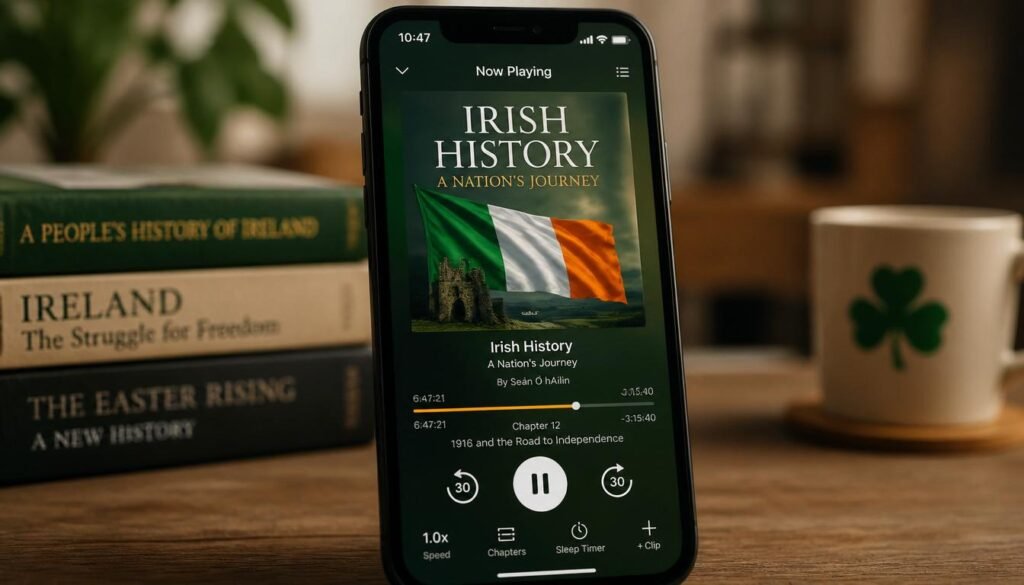

How to Swap Your Phone Voice for a Narrator
Modern phones expose several text to speech engines that let you replace system voices with high-quality narrator voices. Think of TTS engines like different record players: the mechanism is similar but the output character changes with the cartridge. Practical swapping depends on platform permissions, available voices, and whether the narrator voice is delivered as a native OS voice, a downloadable pack, or a third-party app.
Platform Capabilities
Modern mobile operating systems provide APIs for custom voices and voice packs on both Android and iOS. Think of an API like a concert stage: it gives performers a place to project sound, but the acoustics and microphones determine how the audience perceives the performance. You will need to confirm whether the platform allows global system replacement or only per-app voice settings.
Step-by-step Setup
Practical setup requires sourcing a high-quality narrator voice, installing the voice pack or enabling the voice in an app, and adjusting sample rate and output settings for clarity. Think of sample rate like the number of frames in a film: more frames capture motion more smoothly. Always test playback in quiet and noisy environments to ensure intelligibility and presence.
Modern audiobook production principles anchor the choices we make when grafting a narrator voice onto a phone. Think of narrator timbre as the lacquer on a musical instrument: it shapes harmonics and emotional cues. This briefing explains how to match artistic intent to mobile delivery under 2026 standards.
Choosing the Right Narrator Voice for Apps
Professional audiobook narration relies on consistent vocal texture and pacing that align with the book genre and audience expectations. Think of texture like fabric weave: a coarse knit suits rugged adventure while fine silk suits intimate memoir. When selecting a narrator voice, prioritize range, stability at long reads, and a library of phonetic corrections.
Genre and Listener Psychology
Narrator choice affects absorption and comprehension according to listener psychology research current in 2026: pacing, prosody, and breath placement influence memory encoding. Think of pacing like the tempo of a guided walk: too fast disorients, too slow bores. Use listener testing panels with representative demographics to tune tempo and emotional resonance.
App Integration Considerations
App-level voice selection must respect latency, caching, and local vs cloud rendering trade-offs. Think of caching like preloading scenery on a stage: it keeps transitions smooth but requires storage. Aim for local fallback voices for offline listening and cloud-rendered voices where latency and bandwidth permit higher fidelity.
Spatial Audio and Narrator Presence
Spatial audio techniques can position the narrator within a perceived space and increase immersion for fiction and non-fiction formats. Think of spatial rendering like placing actors on a stage: proximity and angle change focus. Implement binaural mixes for headphone listeners and carefully manage interaural cues to avoid listener fatigue.
Mixing for Headphone and Speaker
Headphone mixes need precise head-related transfer function (HRTF) application to maintain natural cues; speaker mixes require careful mono compatibility. Think of HRTF like a pair of sculpted ear molds: they shape how sounds arrive at the ear. Check mixes on multiple headphone models and common Bluetooth speakers to ensure consistency.
Metadata and Spatial Tags
Spatial metadata drives renderer behavior across devices and must be embedded in files or signaled through streaming manifests. Think of metadata like stage directions for an actor: it instructs placement and movement. Use industry-standard spatial tags to ensure consistent rendering across playback engines.
Technical Integration and the NarratorMatch Model
Custom voice deployment needs a reproducible model to map narrator assets to platform targets: introduce the NarratorMatch v1.0 model for this purpose. Think of NarratorMatch v1.0 like a conductor’s score that translates a performance into parts for each section of an orchestra. The model formalizes metadata, codec choices, adaptive bitrates, and delivery pipelines.
NarratorMatch v1.0 Components
NarratorMatch v1.0 defines actor profile, phonetic lexicon, dynamic range targets, and preferred codecs per platform. Think of a lexicon like a pronunciation cheat sheet for a stage director: it keeps proper names consistent. The model prescribes target loudness, headroom, and noise floors based on the 2026 platform guidelines.
Delivery and Latency Strategies
NarratorMatch v1.0 recommends hybrid delivery: local packaged voices for core narration and cloud-rendered variants for expressive special editions. Think of hybrid delivery like a roadshow: you bring the essentials with you but can call in guest performers when the venue allows. Prioritize low-latency codecs for interactive applications and lossless for archival masters.
| Parameter | Mobile Default | Streaming Preferred | Production Target |
|---|---|---|---|
| Sample Rate | 24 kHz | 48 kHz | 48 kHz for spatial, 24 kHz for low-bandwidth |
| Bit Depth / Codec | 16-bit PCM, AAC-LC | Opus 48kHz | 24-bit where supported; Opus VBR for streaming |
| Loudness (LUFS) | -16 LUFS | -18 LUFS | -18 LUFS integrated, -12 LUFS true peak headroom |
| Latency | <100 ms | <250 ms | <80 ms for interactive narrations |
| File Format | MP4/MP3 for compatibility | DASH/HLS manifests | WAV/FLAC masters, Opus delivery |
Production Workflow and Quality Control
Professional workflows enforce consistency from voice capture through distribution with checkpoints for intelligibility and emotional fidelity. Think of a workflow like a printed score: every musician follows it to reproduce the same performance. Implement versioned masters, centralized lexicons, and a clear chain of custody for assets.
Recording and Capture Standards
Recording must follow the 2026 studio standards: quiet room, calibrated microphone, and gain staging to preserve transient detail. Think of gain staging like tuning the strings before a concert: it prevents unwanted distortion. Use microphones with known polar patterns and document room response for later corrective processing.
Post-production and Mastering
Post-production requires editorial passes for pacing, noise reduction, and spectral balance, followed by mastering to target loudness and codec limits. Think of mastering like varnishing a painting: it protects and polishes the result. Maintain a master in lossless format and derive delivery encodes with documented processing chains.
Legal, Ethical and Licensing Considerations
Using a favorite narrator voice on your phone demands attention to rights and personality licensing; voice cloning without permission is often legally restricted. Think of voice rights like portrait rights: an identity cannot be used without consent. Secure clear licenses that specify usage domains, duration, territories, and moral rights.
Consent and Personality Rights
Contracts must include consent for synthetic extensions, derivative works, and distribution across platforms. Think of personality rights like a signature on performance contracts: they define what others may do with a unique vocal identity. Work with legal counsel to draft clauses for expressive use, likeness protections, and revenue sharing.
Accessibility and Ethical Design
Ethical deployment mandates accessibility and respect for listener vulnerability, such as adding disclaimers for synthetic narration used to recreate deceased narrators. Think of ethical design like stage etiquette: it preserves dignity for performers and audiences alike. Implement opt-ins, clear metadata flags, and user controls to pause or replace synthetic voices.
Production Quality Roadmap
- Capture: Use calibrated microphones and controlled room acoustics for a clean source.
- Editing: Enforce phonetic consistency through a centralized lexicon and editorial passes.
- Mix: Apply spatial cues and loudness normalization to match target listening contexts.
- Master: Create lossless masters and derive platform-specific encodes with documented processing.
- Delivery: Embed metadata and licenses; provide offline fallbacks and adaptive streaming.
FAQ
Can I legally use a famous narrator's voice on my phone without permission?
Legal use requires explicit licensing from the narrator or their estate. Think of a voice like a trademark: unauthorized use can lead to infringement claims. Always obtain written permission that specifies allowed contexts and durations.
How much bandwidth do spatial narrator renditions require compared to mono?
Spatial renditions typically increase bandwidth by 1.5 to 3 times versus mono depending on channel count and codec. Think of spatial audio like adding layers to a painting: more layers require more material. Use efficient codecs such as Opus or spatially aware codecs to optimize.
What are the perceptual thresholds for narrators where bit depth matters?
Perceptual benefits taper above 24-bit for spoken word, but low bit depths can degrade low-level detail and warmth. Think of bit depth like the range of shades in a photograph: more shades improve subtlety. Target 24-bit masters and deliver 16-bit or Opus encodes depending on platform.
How do I maintain intonation and emotional consistency across device types?
Maintain a voice style guide, reference tracks, and consistent mastering targets to preserve intonation. Think of a style guide like a director’s notes: it keeps performances aligned. Use automated quality checks and human auditions when producing updates.
Are there accessible best practices for listeners who prefer synthetic voices?
Provide adjustable pacing, pitch, and breath controls along with captioned transcripts for accessibility. Think of adjustable pacing like a dimmer switch for energy: it puts control in the listener’s hands. Ensure UI affordances are discoverable and retain presets for common needs.
What safeguards should be in place to prevent misuse of custom narrator voices?
Implement licensing enforcement, watermarking, and usage analytics to detect unauthorized distribution. Think of watermarking like an invisible signature on a print: it traces provenance. Combine technical safeguards with legal remedies in contracts.
Conclusion: The Voice Future
Professional-grade custom narrator voices are technically feasible and artistically potent when matched to platform constraints and listener psychology. Think of the phone as a portable studio: it can faithfully reproduce an intimate performance when source, mix, and delivery are aligned. Over the next 12 months expect incremental adoption of standardized spatial metadata, wider licensing frameworks, broader device support for high-sample-rate encodes, greater emphasis on moral rights for performers, and more hybrid delivery models that balance local fallbacks with cloud-rendered expressivity.
This briefing equips producers with actionable standards, a practical model, and a quality roadmap so that favorite narrators can be responsibly and beautifully brought to listeners on mobile devices.
Meta Description: Change your phone voice to a favorite narrator with studio-grade workflows, NarratorMatch v1.0, and 2026 delivery standards for immersive, legal, and high-quality results.
SEO Tags: custom voice, audiobook production, narrator voice, spatial audio, mobile TTS, NarratorMatch, audio mastering